
The Story
Why it exists.
The beginning
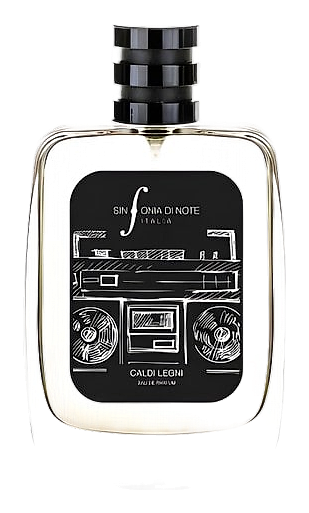
Caldi Legni arrived in 2015 as a unisex Eau de Parfum from Sinfonia di Note. Its name evokes warm woodwind instruments in Italian, while the composition itself develops through a measured contrast of bright citrus, familiar spices, powdery iris, oud, and mate. Lemon, bergamot, and orange establish a lively opening, with cardamom, cumin, and cinnamon adding warmth and aromatic depth. Iris introduces a cooler, suede-like texture, while oud and mate bring darker, earthier notes. Cedar, amber, and styrax then carry the scent toward a burnished base of wood, sweetness, and resin.
The interesting part is how ordinary materials refuse to stay ordinary here. Lemon, bergamot, and orange could read as clean citrus, but cardamom, cumin, and cinnamon pull them toward a spiced warmth. Iris gives the center a cool, suede-like softness that sits against resinous oud. Mate adds an earthy lift, while cedarwood, amber, and styrax create a polished base with the hush of varnished furniture or a wooden instrument after the last note.
The evolution
The opening arrives with citrus light and a quick aromatic snap, but it never stays simply fresh. Cardamom and cumin lend the first phase a savory edge, while cinnamon brings a low, sweet heat underneath. As those top notes recede, iris changes the temperature, bringing a cool powdered hush over the spice. Mate and oud add darker depth, giving the heart a more woody character. During the drydown, styrax and amber take the lead, smoothing the sharper edges while retaining a smoky resinous glow. Cedarwood gives the final phase structure, so the fragrance settles into warm wood rather than disappearing.
Cultural impact
Caldi Legni's 2015 release places it among contemporary niche fragrances built around distinctive note combinations. Its name, meaning warm woodwind instruments in Italian, gives the fragrance an identity connected to sound and resonance. The composition brings together polished wood, spiced citrus, iris, and resin, with the citrus and spice opening gradually giving way to oud, mate, cedar, amber, and styrax. That movement gives the scent a tactile quality and makes it inviting to explore across its different aromatic materials.