


    Brand Profile

    Sinfonia di Note presents itself as a boutique fragrance house that translates travel memories into scented narratives. The label offers a m…More

    3

    Fragrances

    3.8

    Rating

    27
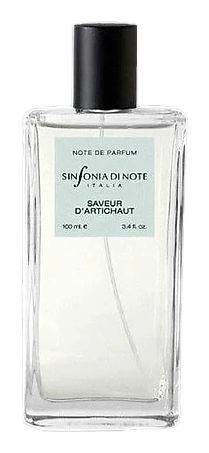
    Saveur d'Artichaut by Sinfonia di Note
    4.3

    Saveur d'Artichaut

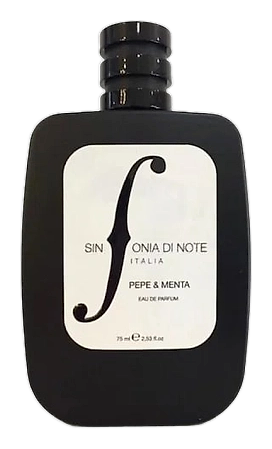
    Pepe & Menta by Sinfonia di Note
    3.5

    Pepe & Menta

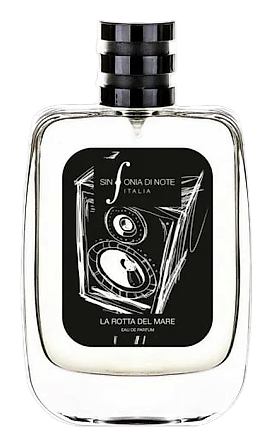
    La Rotta del Mare by Sinfonia di Note
    3.4

    La Rotta del Mare

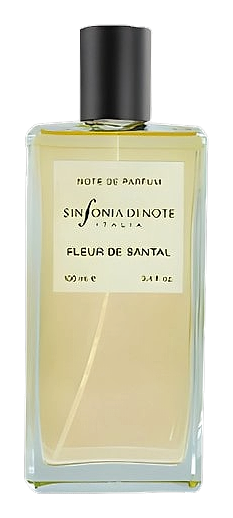
    Fleur de Santal by Sinfonia di Note
    Best Seller
    4.7

    Fleur de Santal

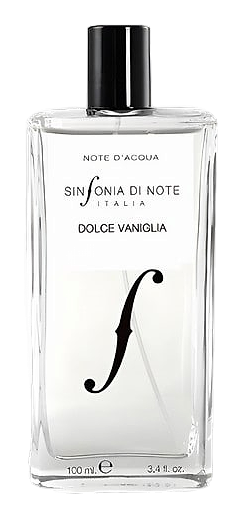
    Dolce Vaniglia by Sinfonia di Note
    Best Seller
    4.6

    Dolce Vaniglia

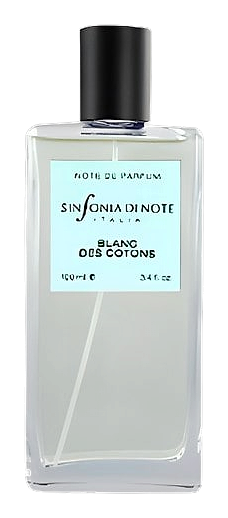
    Blanc des Cotons by Sinfonia di Note
    Best Seller
    4.6

    Blanc des Cotons

    Dea Bianca by Sinfonia di Note
    4.5

    Dea Bianca

    Soffio d'Iris by Sinfonia di Note
    4.5

    Soffio d'Iris

    Petale Rose by Sinfonia di Note
    4.3

    Petale Rose

    Caldi Legni by Sinfonia di Note
    4.2

    Caldi Legni

    Nuvola Talcata by Sinfonia di Note
    4.0

    Nuvola Talcata

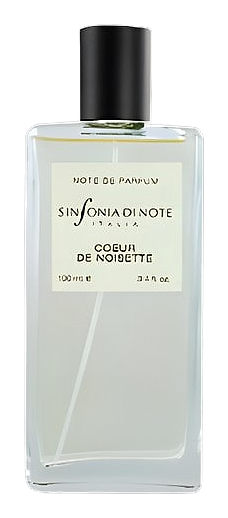
    Coeur de Noisette by Sinfonia di Note
    3.9

    Coeur de Noisette

    1 of 3

    The Heritage

    The Story of Sinfonia di Note

    Sinfonia di Note presents itself as a boutique fragrance house that translates travel memories into scented narratives. The label offers a modest catalogue that includes Fleur de Santal (2000), Dolce Vaniglia (2012), Blanc des Cotons (2000), Dea Bianca (2015), Soffio d'Iris (2017) and several other compositions released between 2000 and 2017. Each perfume aims to capture a specific place or feeling – from the warm woods of Caldi Legni to the airy softness of Nuvola Talcata – and to invite the wearer into a quiet moment of reflection. The brand positions its creations as intimate companions rather than loud statements, favoring subtle complexity over overt flash.

    Heritage

    Public records list the first Sinfonia di Note launch in the year 2000, when the house introduced three scents – Fleur de Santal, Blanc des Cotons and Saveur d'Artichaut – in a modest debut collection. The early releases suggest a focus on natural accords, with sandalwood, cotton blossom and artichoke leaf forming the core of the olfactory palette. In 2002 the brand expanded its range with Petale Rose and Coeur de Noisette, adding floral and nutty dimensions to its portfolio. A notable gap in releases occurred until 2012, when Dolce Vaniglia arrived, signaling a renewed interest in gourmand themes. The following years saw a series of seasonal launches: Dea Bianca (2015) explored clean white musk, Caldi Legni (2015) emphasized warm, resinous woods, and Nuvola Talcata (2015) offered a powdery, talc‑like veil. Soffio d'Iris (2017) completed the recent wave, presenting a crisp iris heart that references classic French powdery florals. Throughout its two‑decade history the house has remained small‑scale, with no publicly disclosed parent company or major distribution partner. Independent boutique retailers in Europe and the Middle East have carried its bottles, and a handful of online specialty platforms list the fragrances alongside niche peers. The brand’s continuity appears rooted in a consistent creative direction rather than rapid expansion, allowing each launch to receive focused attention from its limited production runs. While the founders’ identities are not confirmed in third‑party sources, the brand’s narrative consistently references curious travelers and distant locales as the source of inspiration, a theme that recurs in press mentions and product descriptions.

    Craftsmanship

    Production at Sinfonia di Note follows a hands‑on approach that blends artisanal techniques with selective modern technology. The house sources natural extracts from certified farms in Australia, France, Italy and the United States, prioritizing traceability and low‑impact harvesting. For Fleur de Santal, the sandalwood oil comes from a plantation that follows a 30‑year rotation cycle, ensuring forest regeneration. Blanc des Cotons relies on cotton blossom absolute obtained through steam distillation that preserves delicate floral nuances. The brand reportedly commissions small‑batch macerations, allowing ingredients to mature in glass vessels for several months before blending. This slow‑fusion method helps integrate volatile top notes with deeper base accords, a practice common among niche houses that value depth over speed. Quality control includes blind testing by a panel of fragrance consultants who assess balance, longevity and projection. Bottles are filled in temperature‑controlled rooms to prevent premature evaporation of volatile components. The label also employs a low‑pressure filling system that reduces oxygen exposure, a detail that contributes to the stability of gourmand scents like Dolce Vaniglia. Throughout the process, the house maintains a limited production run, which helps preserve ingredient freshness and ensures that each bottle reflects the intended olfactory story.

    Design Language

    Visually, Sinfonia di Note favors understated elegance. Bottles feature clear glass with thin, matte‑finished caps that bear the brand’s initials in a simple serif font. The label design uses a muted pastel background paired with a single line of black script, allowing the perfume’s name to stand out without visual clutter. For Fleur de Santal, the packaging incorporates a warm amber hue that hints at the wood’s richness, while Dolce Vaniglia’s box adopts a soft ivory tone with a subtle vanilla bean illustration. The brand’s marketing imagery often depicts quiet travel scenes – a lone pier at sunrise, a narrow cobblestone street, a misty mountain pass – reinforcing the narrative of scent as memory. Typography across the website and print materials remains clean and sans‑serif, reinforcing a modern yet timeless feel. The overall aesthetic avoids flashy trends, instead opting for a calm, refined presentation that aligns with the house’s focus on intimate storytelling.

    Philosophy

    Sinfonia di Note frames scent as a personal archive of place. The house states that each fragrance should act like a sealed postcard, delivering a memory of a sea breeze, a market alley or a quiet garden when uncapped. This philosophy drives the brand to select ingredients that evoke specific geographies – for example, sandalwood from Australian plantations to suggest sun‑warmed coasts, or iris from Tuscany to recall sun‑drenched fields. The label avoids generic trend chasing; instead it pursues a quiet dialogue between tradition and contemporary taste. Sustainability appears in the brand’s statements, with a preference for responsibly harvested raw materials and minimal packaging. The creative team reportedly works with a small circle of perfumers who share an interest in narrative‑driven composition, allowing the house to maintain a cohesive storytelling thread across its releases. By treating each launch as a chapter rather than a product, Sinfonia di Note seeks to build a library of scents that together map a traveler’s inner world.

    Key Milestones

    2000

    Launch of Fleur de Santal, Blanc des Cotons and Saveur d'Artichaut, establishing the brand’s initial natural‑focused portfolio.

    2002

    Introduction of Petale Rose and Coeur de Noisette, expanding the line with floral and nutty accords.

    2012

    Release of Dolce Vaniglia, marking the brand’s entry into gourmand fragrance territory.

    2015

    Three new launches – Dea Bianca, Caldi Legni and Nuvola Talcata – showcase a shift toward clean musk, warm woods and powdery textures.

    2017

    Soffio d'Iris debuts, completing a modern series that references classic French iris compositions.

    At a Glance

    Brand profile snapshot

    Collection

    3

    Fragrances released

    Avg Rating

    3.8

    Community sentiment

    Release Rhythm

    2017
    4
    2016
    2
    2015
    8
    2012
    1
    2000
    10
    sinfonianote.com

    Did You Know?

    Interesting Facts

    Distinctive details and defining moments that shape the house personality.

    01

    The brand released four distinct fragrances in the year 2000, an unusually high output for a boutique house at its inception.

    02

    Sinfonia di Note’s Fleur de Santal uses sandalwood oil sourced from a plantation that practices a 30‑year rotation to protect forest health.

    03

    Dolce Vaniglia’s vanilla note is derived from a blend of natural Bourbon vanilla beans and a small proportion of synthetic vanillin to achieve balance and longevity.

    04

    The bottle caps are manufactured from recycled aluminum, reflecting the house’s commitment to low‑impact packaging.