The Story
Why it exists.
The beginning
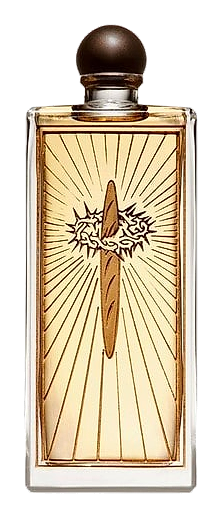
Jeaux de Peau Édition Gravée Couronne d'épines arrived in 2014 as a collector's limited edition, only twelve pieces in the carved crown-of-thorns bottle, a deliberate departure from the standard Flacons de table presentation. The name alone carries weight: jeux de peau, the games skin plays. The sensation of touch, of warmth exchanged, of something felt rather than seen. Christopher Sheldrake, Lutens' collaborator since 1992, worked within that concept to create something that reads differently on every wearer, a fragrance that becomes, in part, the skin it's on.
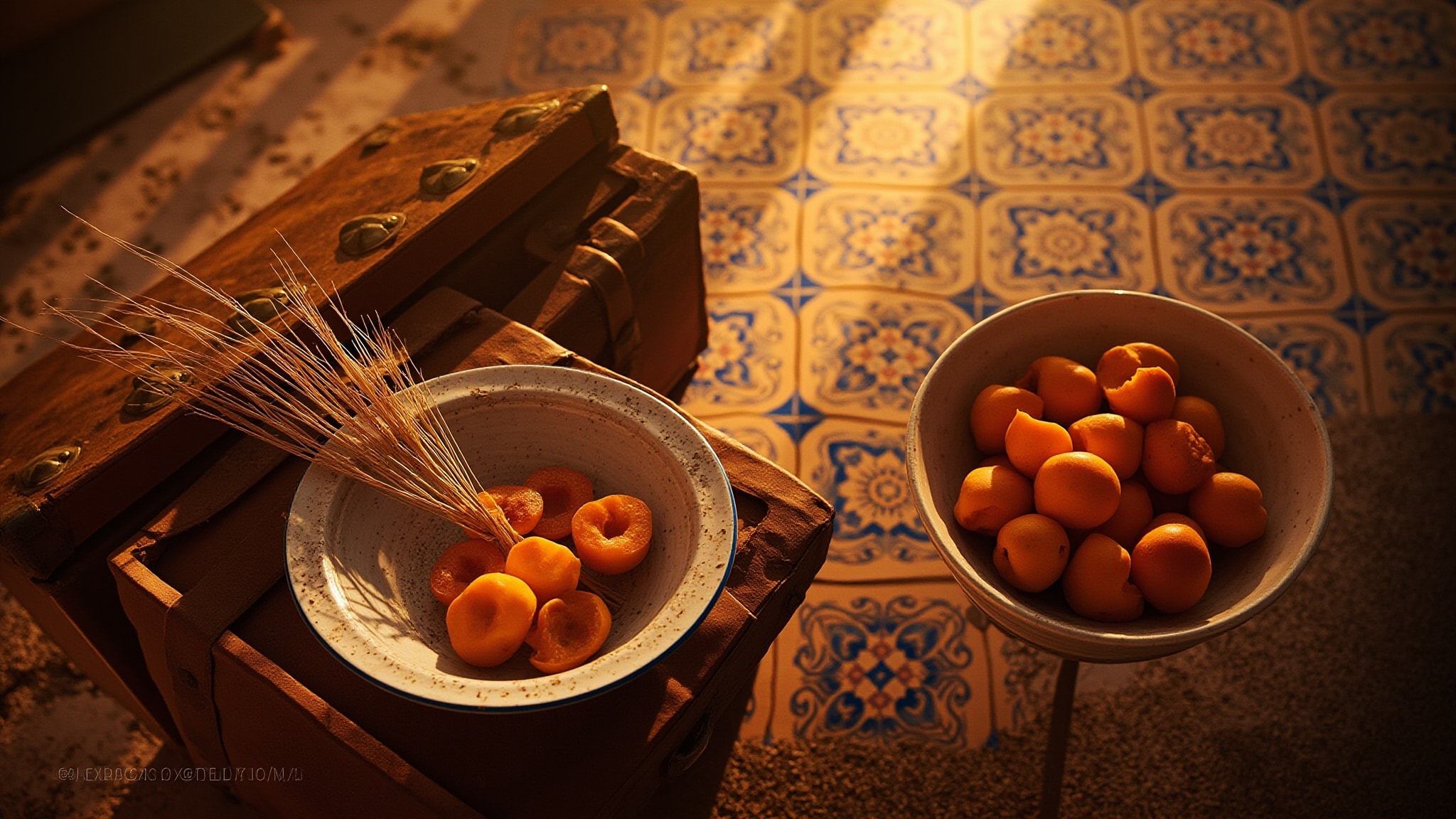
The unusual note structure makes that transformation possible. Wheat and milk open with a lactonic creaminess, but immortelle, the flower that never fades, harvested in Corsica for its honeyed, hay-like warmth, introduces an herbal counterpoint that prevents the composition from becoming merely sweet. Licorice adds a quiet sharpness. Coconut holds the heart in a warm, enveloping register. The real work happens in the base: sandalwood, amber, osmanthus, and apricot creating a skin-like warmth that develops differently depending on who's wearing it.
The evolution
The milk note arrives soft, almost hesitant. Then the wheat adds body, golden, grain-warm, like standing near a mill. The immortelle takes over the heart with its herbal, slightly bitter sweetness, and the coconut follows, keeping everything enveloping. The licorice lingers in the background, never quite disappearing. By hour three, the coconut and licorice have receded, leaving sandalwood and amber doing the real work. The drydown smells like skin that was warm. Apricot appears in the base, faint and fruity, but the dominant note is osmanthus, that floral-fruity note that smells like autumn and memory. This is a fragrance that stays close, that someone would have to lean in to find. The sillage never opens up. It deepens inward.
Cultural impact
The 2014 crown-of-thorns edition represents Serge Lutens at his most confrontational in presentation. The carved thorn motif references religious suffering while the warm lactonic-wheat composition offers comfort, a deliberate tension that defines Lutens' approach to perfumery as cultural commentary. Only 12 pieces were produced, making it one of the rarest entries in the Lutens canon. This scarcity has elevated it to collector's item status, traded privately at significant premiums. The edition exemplifies how limited bottle treatments became a form of artistic expression in niche perfumery, challenging the idea that fragrance is purely functional. Its cultural footprint lies in this collision of the sacred and sensual, the rare and the warm.