The Story
Why it exists.
The beginning
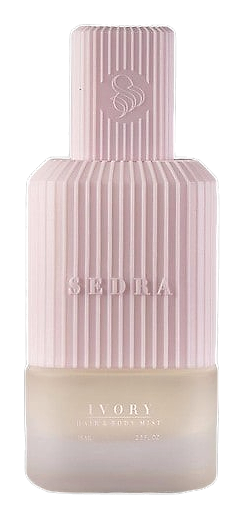
Ivory takes its name from the color itself, not the material, but the idea. In Arabian culture, ivory represents strength, purity, and understated elegance. The perfumer wanted to capture that tension: something powerful that refuses to announce itself. The result is a fragrance that opens bright and clean, then settles into something quieter and more personal. It's about presence without performance.
What makes Ivory interesting is its refusal to choose sides. The opening is bright and citrusy, neroli and bergamot are classic, almost expected. But the heart adds complexity: lily of the valley brings a green, slightly soapy quality, while rose adds depth without sweetness. Then the base, musk and vanilla, keeps everything warm and close to the skin. The vetiver grounds it, preventing the sweetness from taking over. It's a fragrance that manages to be both fresh and warm, clean and complex.
The evolution
Ivory opens like a fresh start, citrus and neroli hitting bright and clean. The rose doesn't announce itself; it arrives quietly, blending with the patchouli to create something warmer.
Cultural impact
Ivory enters a crowded space of 'clean' fragrances, but its Arabian heritage gives it a different foundation than many Western counterparts. The combination of citrus, white florals, and musky warmth reflects a broader trend toward genderless, versatile scents, but with a cultural specificity that sets it apart. It's the kind of fragrance that works equally well in a Kuwaiti souk or a Scandinavian office.