The Story
Why it exists.
The beginning
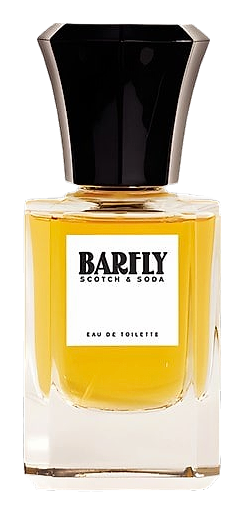
Scotch & Soda launched Barfly in 2012 as their first fragrance, a signature developed in collaboration with a Hamburg-based atelier. The Amsterdam fashion house, founded in 1985, built its identity on colorful optimism and an easygoing approach to self-expression. Barfly was never meant to compete with formal perfumery or chase seasonal trends. It was meant to smell like someone who chose it themselves.
What makes Barfly work is the way it holds contradictions without resolving them. The citrus-herb opening isn't a brief formality before the 'real' fragrance begins, it's a full commitment to brightness. But underneath, Madagascar vanilla provides a different kind of warmth entirely. The spice combination (cardamom, anise, black pepper) adds unexpected bite to what could otherwise read as straightforward. It's not the vanilla trajectory most people expect.
The evolution
The citrus-herb opening arrives sharp, lemon, mandarin, a green basil quality that doesn't apologize. Calone adds a subtle watermint lift, a cool counterpoint to the cardamom and anise heat underneath. The heart phase hands off to lavender, iris, and jasmine, a classic fougere structure that softens everything. Cedar and sandalwood arrive quietly, warming the composition without heavy woodiness. The base is where Barfly earns its reputation: bourbon vanilla anchors the drydown, supported by musk and a thread of incense. Not projecting, just warm. Close. Lasting 6-8 hours on skin, longer on fabric. Still there the next morning, faded to vanilla-tobacco warmth.
Cultural impact
Barfly occupies an unusual position, a fashion house fragrance that never tried to compete with luxury perfumery. Wearers describe it as an 'acquired taste,' with that distinctive anise-calone combination drawing mixed reactions. Some find it nostalgic, others synthetic. That divisiveness is part of its appeal: Barfly doesn't try to please everyone, and the people who love it tend to love it fiercely.