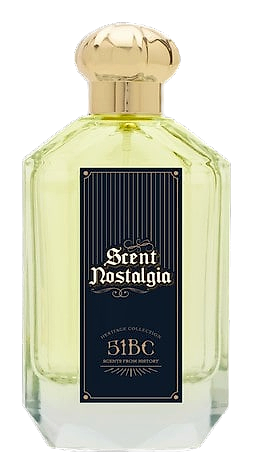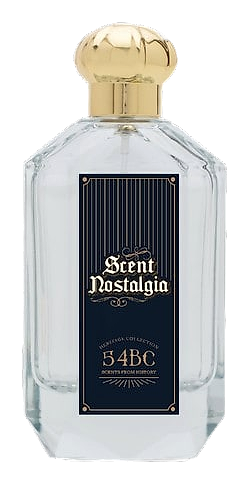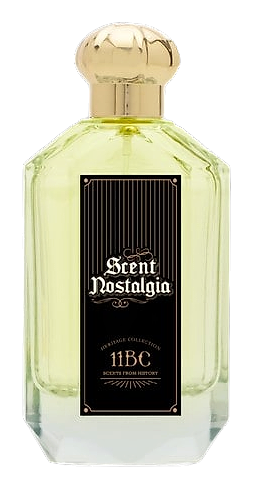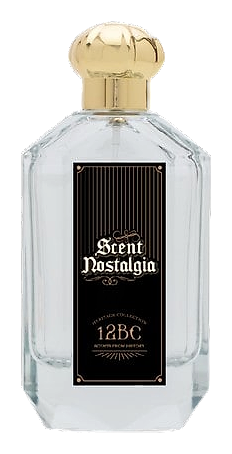
The Story
Why it exists.
The beginning
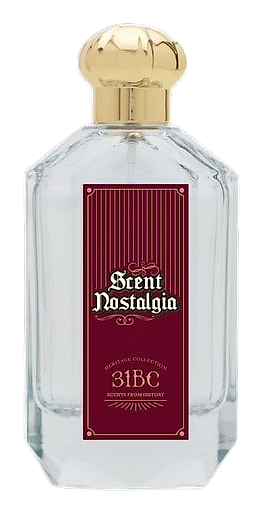
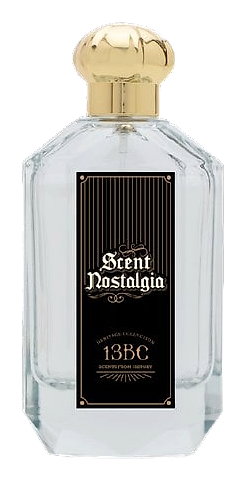
No perfumer or documented historical event is attached to 13BC, so its numerical name stands apart from any specific narrative. What can be read is the composition itself, an aromatic fougere shaped by cool opening notes, a warm and earthy heart, and a leather-musk base. Clary sage and coriander create a crisp, herbal brightness at first, while aldehydes give the opening a polished, almost cool metallic sheen. Cinnamon introduces dry warmth as the fragrance settles, balanced by patchouli's damp earth and vetiver's green-black edge. Geranium adds a restrained floral lift through the middle, keeping the structure from becoming overtly sweet. In the drydown, smooth leather moves to the foreground, with low notes of honey, oakmoss, and musk settling close to the skin.
The interesting part is the tension between freshness and weight. Aldehydes, clary sage, and coriander bring a brisk aromatic lift, but patchouli, vetiver, cinnamon, and geranium pull the composition toward soil, bark, and spice. Honey then complicates the drydown, adding sweetness without erasing leather and oakmoss. It's a familiar fougere frame made distinctive by that savory edge, where honey behaves less like dessert and more like warmth caught in old fabric.
The evolution
The opening begins with a cool, polished shimmer. Clary sage and coriander keep that first impression herbal and alert, while aldehydes lend the fragrance the crisp character of a smooth coat before the weather changes. As it settles, cinnamon introduces a dry heat, patchouli brings an earthy floor, and vetiver adds the green-black edge of soil after rain. These elements sharpen one another: the herbs keep the opening bright, cinnamon warms its centre, and patchouli gives the composition weight without making it feel dense. Geranium softens the middle with a faint floral lift, though it does not pull the fragrance into a sweet register. In the drydown, leather becomes the dominant impression, smooth but worn, while honey offers a low sweetness beneath oakmoss and musk.
Cultural impact
13BC invites interpretation through its aromatic fougere structure, which develops from cool herbs and polished aldehydes into dry spice, damp earth, green vetiver, and smooth leather. Geranium adds a controlled floral lift in the middle, while honey, oakmoss, and musk create a soft, low-sweetness foundation as the fragrance settles. Its appeal lies in this sequence of contrasts: bright and earthy, crisp and warm, polished and tactile. The composition leaves room for the wearer to encounter the notes at different moments, from the alert opening through the closer, more intimate drydown.