The Story
Why it exists.
The beginning
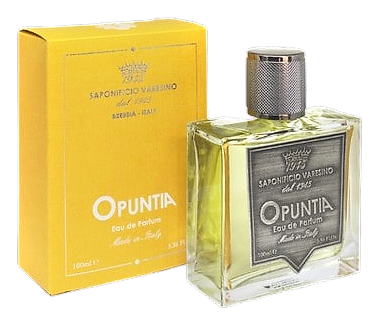
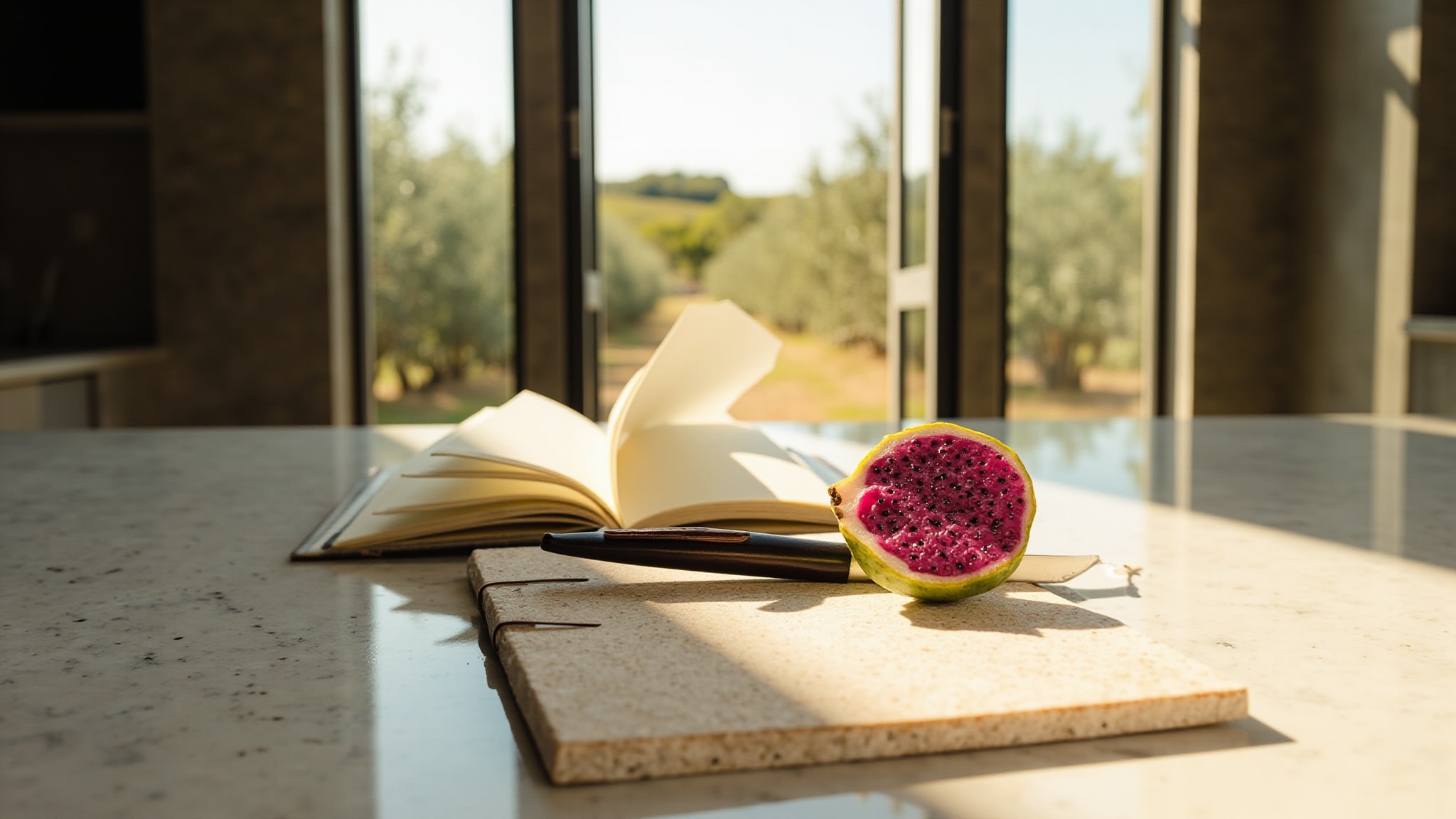
Opuntia takes its name from prickly pear, a botanical reference that fits Saponificio Varesino's habit of tying fragrance to the plants and landscapes around it. The Italian fragrance house describes this composition as fruity and aromatic, beginning with bergamot, pineapple, and blackcurrant before moving into birch, rose, and jasmine. No release year or named perfumer is available, so the clearest origin lies in that progression: a vivid fruit opening shaped into something more tactile, aromatic, and rooted. It is a fragrance that begins with appetite, then adds distance.
The unusual part is the handoff from fruit to florals. Pineapple and blackcurrant bring a glossy, juicy opening, while bergamot keeps the first impression lifted rather than syrupy. Then birch introduces a dry, papery edge, and rose and jasmine give the middle a floral body with more structure than a simple fruit-floral blend. Underneath, patchouli and oakmoss quietly pull the composition toward earth and smoke. White musk softens the edges, while vetiver leaves a clean, woody line behind it. The result is tension: bright and dark, juicy and dry.
The evolution
At first, Opuntia wears its fruit openly. Bergamot gives the opening a clean sparkle, pineapple adds a tropical gloss, and blackcurrant brings a darker, tart edge. As those notes soften, the scent changes direction. Birch and jasmine make the middle feel greener and more aromatic, while rose adds a polished floral note that keeps it from becoming purely fruity. Then the base comes forward: patchouli brings soil, oakmoss brings a smoky mineral shadow, and vetiver grounds the composition with dry wood. White musk rounds the finish without erasing its edges. It settles into a low, earthy trail rather than disappearing. On skin, the effect feels like fruit at the start, a quiet floral interruption in the middle, and mossy woods by evening. The 6-8 hour wear gives the latter phase time to become the main character.
Cultural impact
Opuntia sits within Saponificio Varesino's broader register of Italian, botanical fragrances, where traditional soapmaking informs a more expressive personal scent wardrobe. Its fruit-and-moss profile places it in a classic aromatic fougère lane, with a more tactile and old-school character than the polished fruit scents often encountered today. Wearers are likely to notice its progression from juicy fruit to dry woods, making it especially appealing to people who enjoy a fragrance that changes shape on skin rather than announcing one idea from start to finish.