The Story
Why it exists.
The beginning
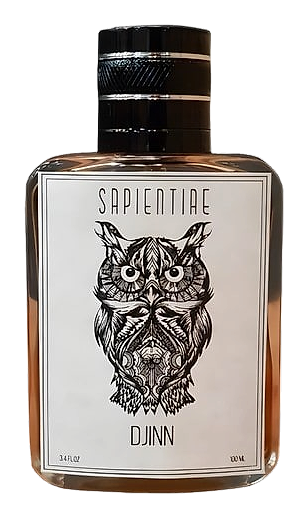
Djinn comes from Sanderson Santana's work for Sapientiae Niche, launched in 2018. The composition carries a resinous, layered warmth, dusted with black amber, and executed with careful attention to material. Vanilla opens at the top, followed by cedar, geranium, and jasmine, before incense and benzoin settle the composition into smoke. Patchouli grounds the base, lending a dry, shadowy undertone that anchors the heavier notes. The result is a fragrance that reads simultaneously edible and resinous, sweet and smoked, never fully committing to either pole. There's a deliberate weight here, something almost molten in how the materials stack, and the restraint comes through in what Santana chose to leave out as much as what he included.
What makes Djinn unusual is the ordering. Vanilla sits alone at the top, a deliberate gamble, most compositions use it as a base anchor, something to fall back on. Cedar, geranium, and jasmine arrive not to brighten but to introduce a quiet tension. The florals don't lift the vanilla into confection; they let it stay heavy, almost molten, before the incense and benzoin pull it further down into smoke and resin. Patchouli does the final work, giving the whole thing the density it needs to feel grounded rather than sweet.
The evolution
The first 30 minutes belong to vanilla, but not the simple kind. There's a dry edge to it, almost burnt, like the inside of a vanilla pod that's been left too close to the flame. The sweetness arrives fast and stays accessible, then cedar and jasmine cut in to pull the temperature down. Somewhere around the 90-minute mark the incense wakes up, it's not sharp frankincense but something sootier, closer to a church candle than a Middle Eastern souk. Benzoin thickens the middle into something almost syrupy, and the jasmine quietly disappears. By hour three, black amber and patchouli have taken the wheel. The drydown is darker and stranger than the opening suggested, all resin and smoke with the vanilla now barely a memory. The incense deepens further, taking on a leathery quality that wasn't apparent earlier, and the benzoin weaves through everything like a slow thread.
Cultural impact
Djinn sits comfortably within the resinous vanilla category, the kind of composition that rewards slow wearing rather than quick impression. It shares DNA with smoky orientals and amber-heavy fragrances, the kind worn by people who gravitate toward contemplative scent profiles over bright, crowd-friendly options. The winter-evening character is hard to miss: the heavy base, the dense resins, the way the incense reads like cold air carrying smoke from somewhere distant. It layers naturally with other amber compositions, though it holds its own well enough to stand alone.
The House
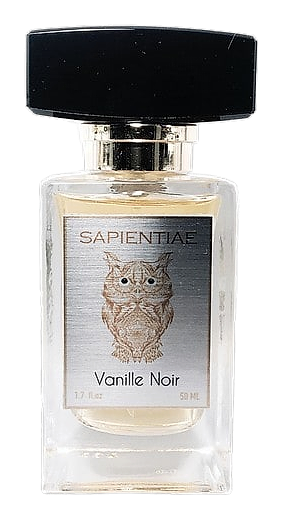
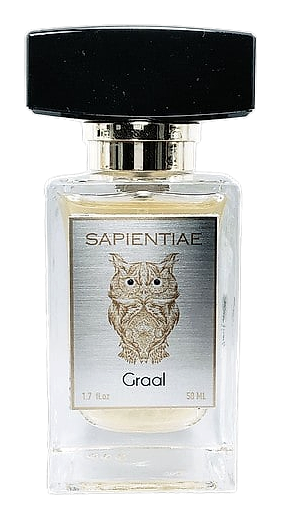
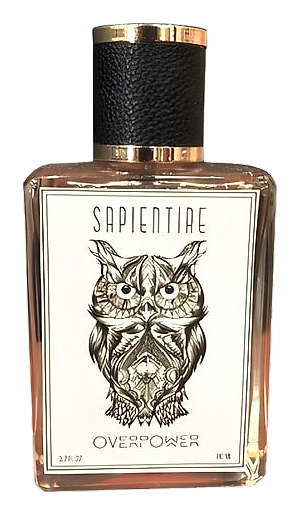
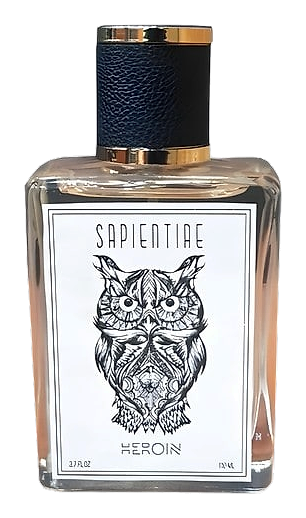
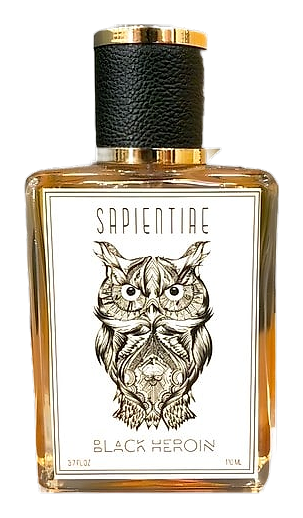
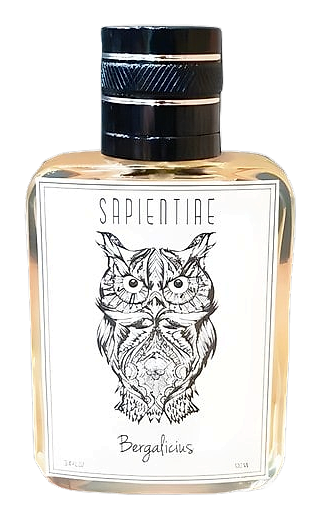
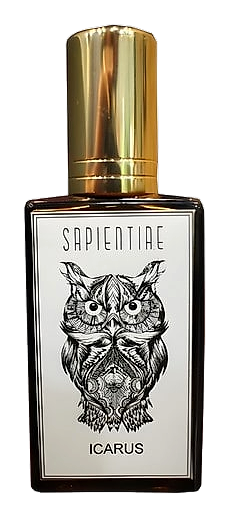
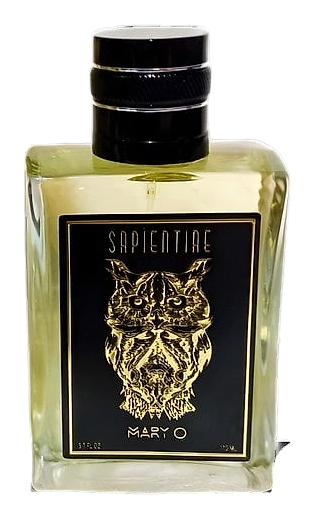
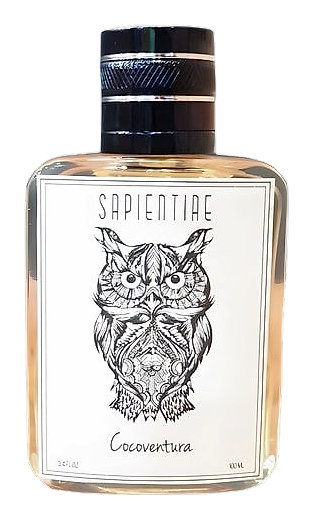
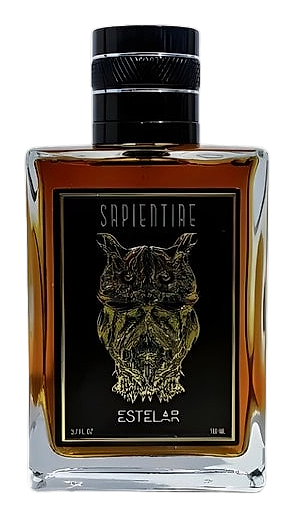
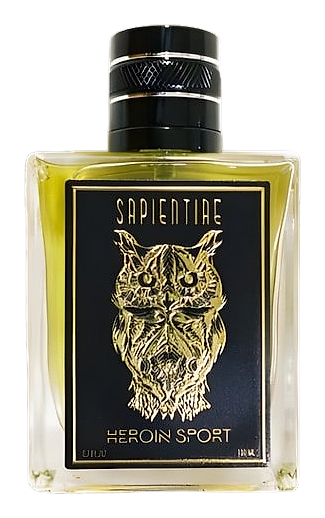
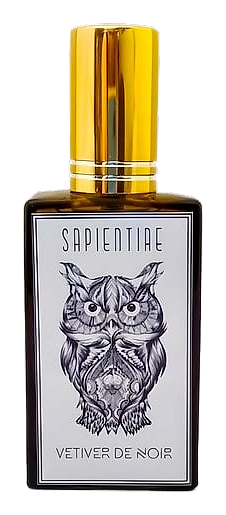
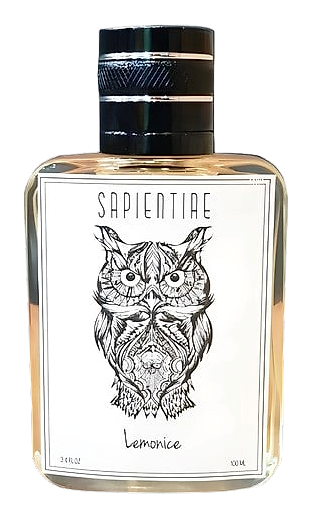
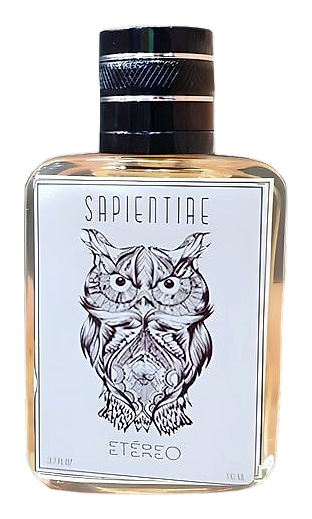
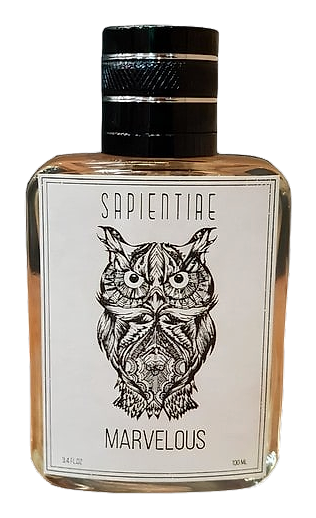
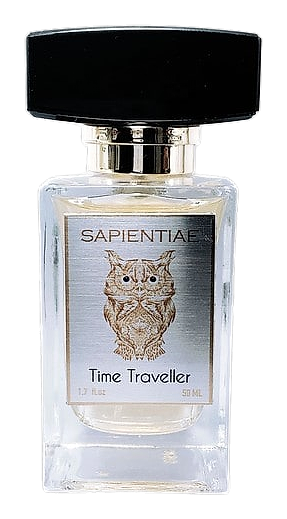
Sapientiae NicheSapientiae Niche is a fragrance house that has produced a catalog of original perfumes spanning the decade from 2015 to 2025. The brand has released notable works including Graal (2015), Vanille Noir (2016), Ofanins (2017), Overpower (2018), Mary O. (2021), Vetiver de Noir (2021), Fortuna (2024), Bólido (2024), Seabeast (2024), and Milk Way (2025). The house appears to operate in the independent niche segment of perfumery, though verified independent sources detailing the brand's founding, location, or creative direction were not available at time of compilation. Fragrance enthusiasts seeking detailed information about this house may wish to consult specialized perfume databases and community forums for user-reported experiences and fragrance profiles.
The Creator
Sanderson SantanaGiven his niche house affiliation and collaborative work, Santana's stylistic tendencies likely favor refinement over spectacle. Niche perfumers typically gravitate toward unexpected material combinations, slower development curves, and ingredients that reward sustained attent…