The Story
Why it exists.
The beginning
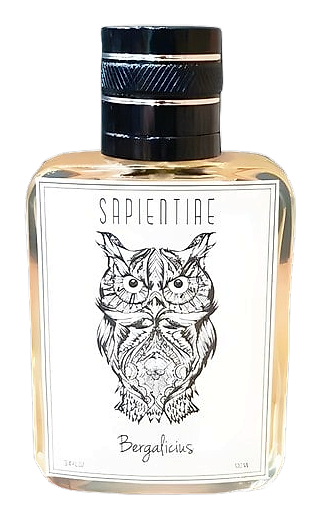
Bergalicius makes its case for what citrus can be when it refuses to play safe. Perfumer Sanderson Santana had one starting point: Calabrian bergamot in its most honest form, the fruit itself rather than a diluted interpretation. The result is a fragrance built on contrast, bright, biting citrus held in tension by herbal and woody layers that give it gravity. The bergamot arrives with its full tartness intact, that distinctive combination of citrus brightness and subtle floral undertone that makes Calabrian fruit prized among those who know their materials. Pink grapefruit blossom softens the sharpness without sweetening it, creating a more complex citrus impression. The structure tells a more interesting story: a top that refuses to apologize, backed by a base that knows what it's doing.
What makes Bergalicius work is the restraint in its heart. The cardamom absolute doesn't shout, it adds a warm, slightly bitter spice that stops the composition from becoming merely refreshing. Geranium brings its herbal green-rose quality, a natural bridge between the citrus opening and the earthier close. The oakmoss in the base is present and grounding, lending a classic mossy depth that gives the fragrance somewhere to land. Beneath this, patchouli adds body while vetiver contributes its smoky, mineral character.
The evolution
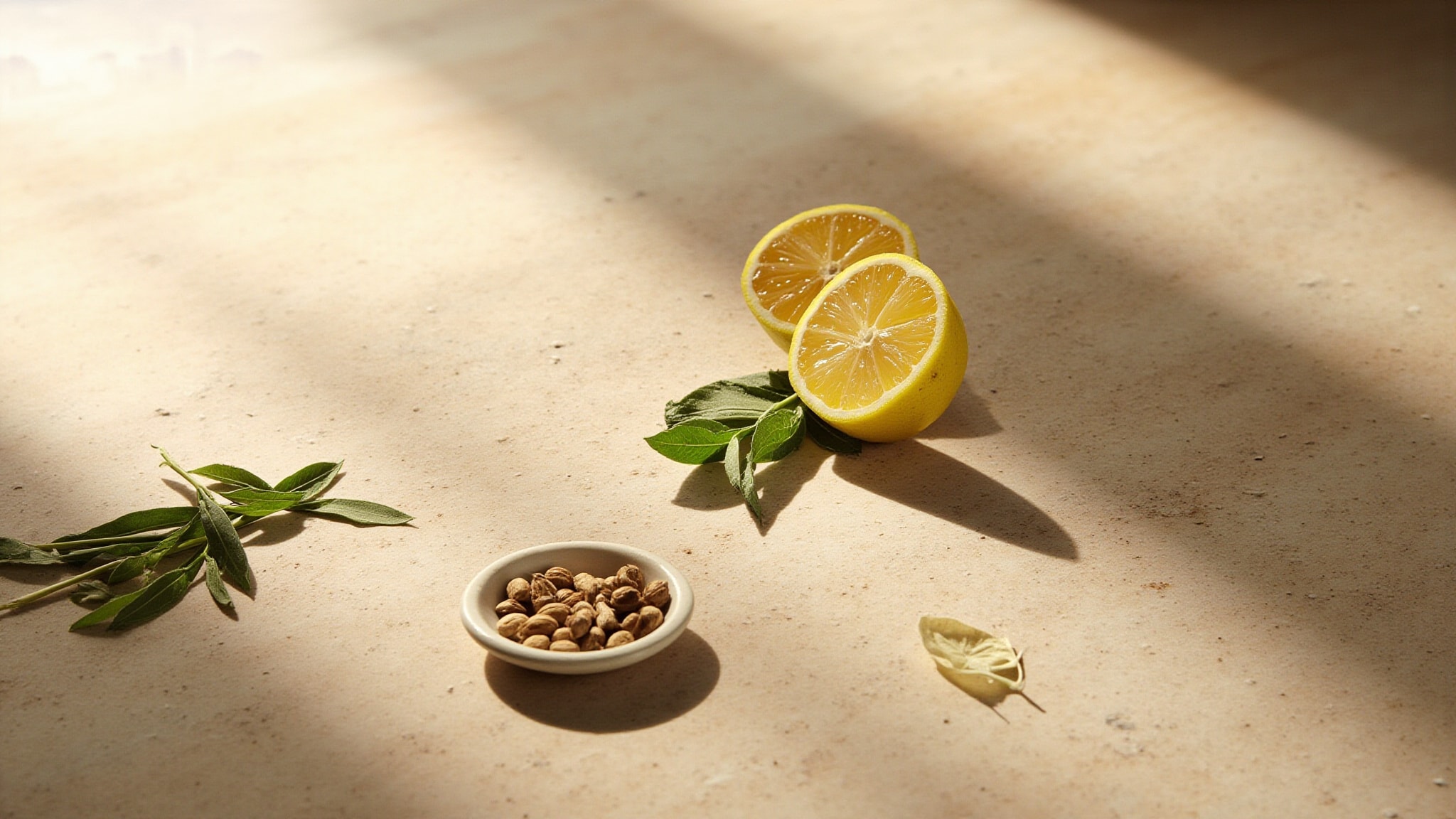
The opening arrives bright and immediate, bergamot and orange bursting with energy. Petitgrain adds that bitter, aromatic edge, giving the citrus more complexity than a simple orange note would provide. Sage keeps the top green, almost medicinal at first, adding an herbal dimension that prevents the citrus from reading as sweet. As this phase evolves, pink grapefruit shifts the citrus from sharp to juicy-floral, and cardamom arrives warm and present rather than subtle. The geranium emerges as a quiet moderator, its green-rose quality pulling everything together. The heart of the fragrance unfolds gradually, with the oakmoss announcing its earthy, classic presence as the citrus begins to recede. Vetiver follows, smoky and mineral, while patchouli adds body underneath. This base holds its ground, with vetiver and oakmoss lingering longest as the other notes fade into memory.
Cultural impact
Bergamot has deep roots in Italian perfumery, and Calabrian bergamot especially has long been prized for its complex profile combining tart citrus with floral and bitter qualities. The region produces a bergamot that differs from other varieties, offering a particular balance of brightness and subtlety that perfumers value. Bergalicius draws on this tradition, offering a grounded, herbal citrus profile rooted in Mediterranean perfumery history. The fragrance presents an alternative to lighter, sweeter citrus interpretations, suggesting that bergamot can carry more weight and complexity than it often receives credit for.