The Story
Why it exists.
The beginning
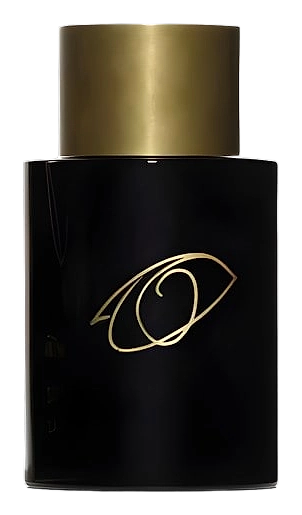
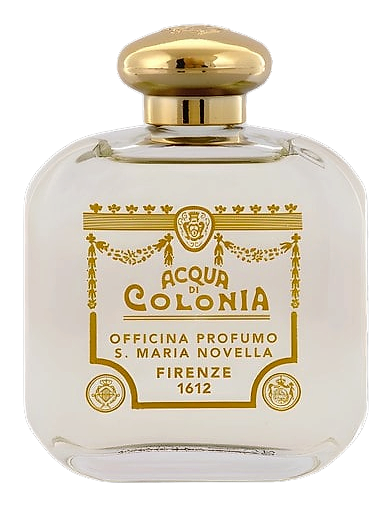
Eugenio Alphandery created Ottone in 2012 for the 400th anniversary of the Officina Profumo-Farmaceutica di Santa Maria Novella. Released alongside Porcellana, the two fragrances were designed as counterpoints, Porcellana delicate and romantic, Ottone decisive and enveloping. The name itself is a signal: Ottone is the Italian word for brass, but it also gestures north, toward Germany, toward Russia, toward the markets where Santa Maria Novella was known in the eighteenth century. Alphandery built a fragrance that speaks that geography: herbal clarity in the opening, warm spice in the heart, woody resin in the base. Not a celebration scent. A statement one.
What makes Ottone unusual is the oregano in the heart. It sits between cinnamon and clove like an interruption, a green, slightly medicinal note that prevents the spice from becoming sweet or cozy. That savory edge is rare in contemporary perfumery, where warmth usually means comfort. Here, it means something else: the smell of something specific, something with edges. Combined with the frankincense in the base, cool, resinous, almost austere, the drydown avoids the usual woody-creamy territory entirely. Cedar and sandalwood provide structure, but the frankincense is the tell: this is a fragrance that knows what it wants to be.
The evolution
The opening lasts longer than expected. Bergamot and petitgrain arrive together, with the petitgrain's bitterness gradually softening as rose emerges from the top layer. Around forty minutes in, the herbs shift. Oregano arrives first, green, slightly medicinal, followed by cinnamon's warmth and clove's weight. Black pepper adds a clean heat. This is the fragrance's most complex phase, where the composition seems to be arguing with itself before settling. By the second hour, the spiced heart begins to recede and cedar takes over, with sandalwood and frankincense arriving together. The drydown is warm, woody, and intimate, projection drops to close skin, but the longevity holds. On most skin types, Ottone lasts six to eight hours. The frankincense lingers longest, faint and resinous, detectable the next morning if applied the night before.
Cultural impact
Released in 2012 to mark the brand's 400th anniversary, Ottone sits alongside Porcellana as a statement of intent. Where many heritage houses use anniversary editions to play it safe, Alphandery chose a composition that is herbal, spiced, and slightly austere, closer in spirit to Renaissance apothecary than to modern niche perfumery. The fragrance found an audience among people who wanted complexity without drama, and who appreciated the frankincense and oregano as deliberate choices rather than afterthoughts. It remains a quiet reference point for those who know the brand's full history.