Eugenio Alphandery
Eugenio Alphandery came to perfumery by an unexpected route. Trained as a mechanical engineer, he acquired Officina Profumo Farmaceutica di Santa Maria Novella in 1989, purchasing the legendary Florentine institution for roughly 413,000 euros. At the time, the pharmacy's future seemed uncertain. Alphandery saw something else entirely: a dormant treasure with eight centuries of heritage waiting to be awakened. He moved production to a modern laboratory while preserving the ancient herbal knowledge that made the Officina sacred to Italian fragrance lovers. Under his leadership, the company expanded from a quiet Florence landmark into a global brand with seventy standalone stores. He has described himself as running a 'highly innovative artisan company,' a phrase that captures his unusual blend of engineering precision and apothecary soul. As president and co-owner, Alphandery bridged two worlds: the monastic tradition of medieval perfumery and the demands of contemporary retail. His engineering background informed a meticulous approach to formulation, while his business instincts rebuilt a 400-year-old institution into a commercially viable concern without sacrificing its soul.
The hits
Notable creations
The signature
How Eugenio composes
Alphandery gravitates toward the herbal, the green, the slightly medicinal. His personal fragrances likely reflect the Officina's encyclopedic knowledge of botanical extracts: lavender, rosemary, iris, and the medicinal herbs that defined the convent gardens. He favors clean construction over baroque complexity, letting individual materials breathe rather than layering them into abstraction. The Officina's historic Acqua della Regina, one of the house's oldest fragrances, suggests the aesthetic he inherited and champions: crisp citrus top notes, a core of aromatic herbs, a drydown anchored by traditional fixatives like musk and sandalwood. His style honors the pharmacy's past while remaining accessible to modern sensibilities. He prefers specificity over novelty, grounding each creation in identifiable botanical sources rather than synthetic surprises.
Philosophy
What drives Eugenio
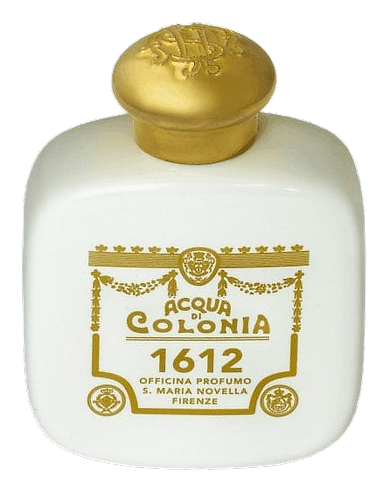
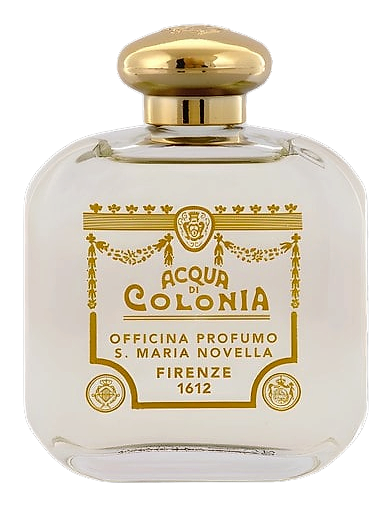
Alphandery approaches fragrance as an extension of healing tradition. The Officina began as a convent infirmary pharmacy, cultivating medicinal herbs in garden plots for the sick. He has spoken about perpetuating and renewing those ancient practices, treating perfumery not as luxury decoration but as a form of craft rooted in utility. His philosophy centers on continuity: respecting what centuries of Florentine artisans built while remaining open to innovation. He personally created two signature perfumes for the brand, packaged in distinctive bottles, though he has let the house's historic formulations speak most loudly. For Alphandery, artisan does not mean static. The company must grow, open stores, reach new audiences, yet always from the soil of its origins. His engineering mind demands efficiency; his passion for the craft demands authenticity. The tension between these forces shapes his creative worldview.
The houses
Maisons Eugenio composes for
In the same league