The Story
Why it exists.
The beginning
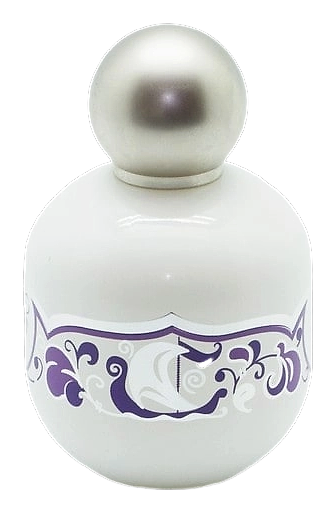
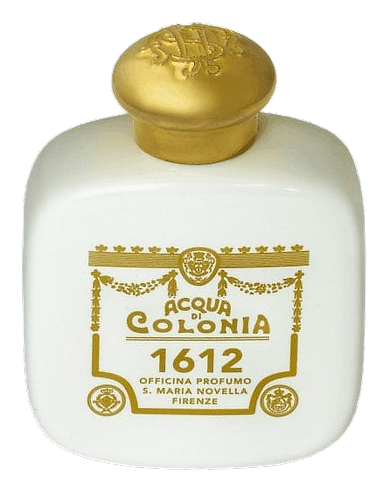
Porcellana was created in 2012 to mark the 400th anniversary of the Officina Profumo-Farmaceutica di Santa Maria Novella, an extraordinary milestone for any house, let alone one that was already ancient when the Medicis ruled Florence. The fragrance was named for white porcelain, a material whose origins lie in the Far East, a tradition the Medici court found endlessly fascinating. While Ottone, its companion release, pointed north toward Germany and Russia, Porcellana looked East, carrying the house's heritage into territories where it had once been known but not yet fully understood. Perfumer Eugenio Alphandery built the composition around that contrast: the delicacy of porcelain itself, and the complexity buried inside it.
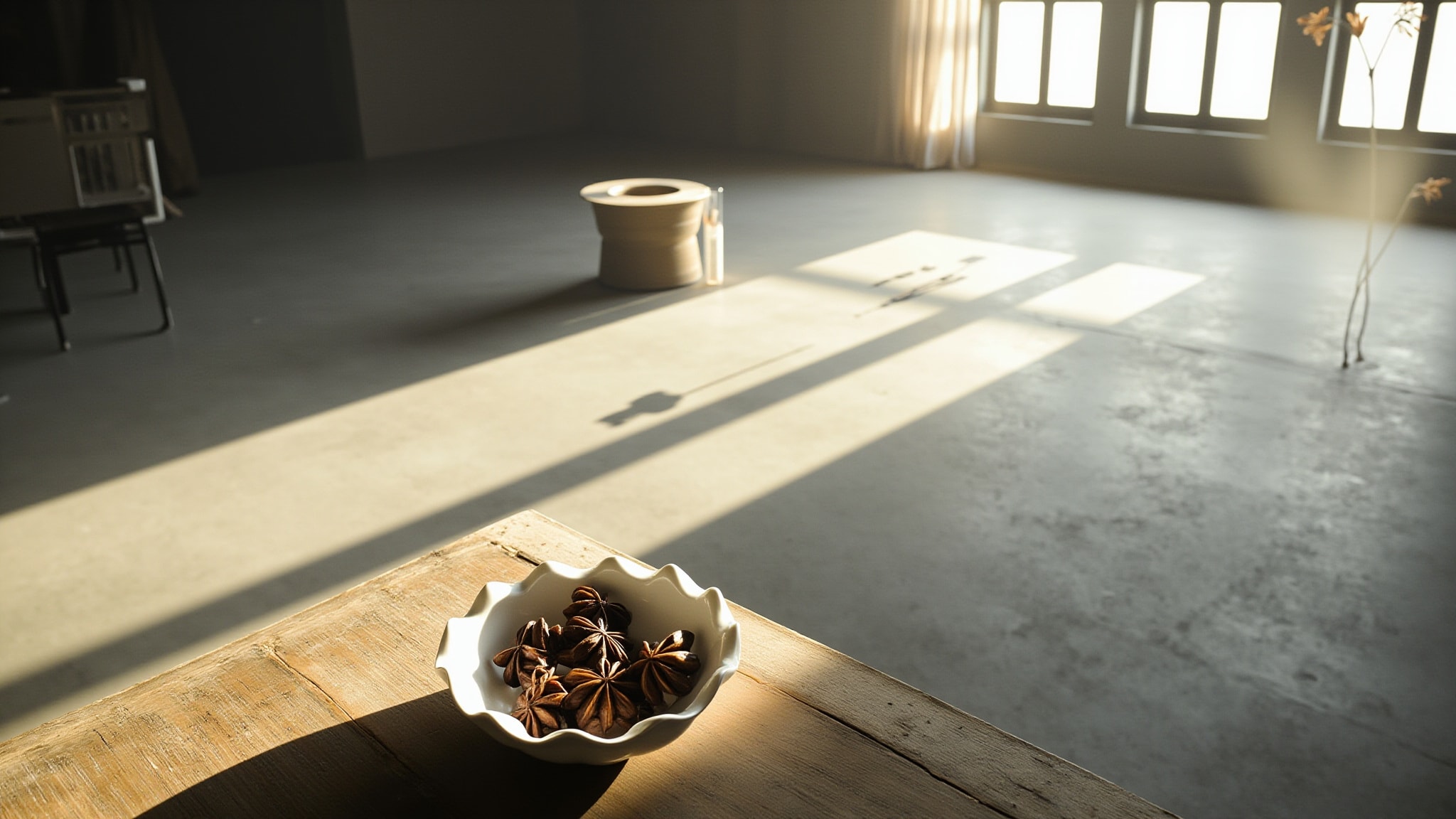
What makes Porcellana structurally unusual is the sustained presence of star anise throughout the heart. Most fragrances use aniseed as a brief top note, a sharp, licorice-like opening that recedes quickly. Here, Alphandery lets it breathe alongside white flowers and iris, creating a green-floral-anise tension that never fully resolves. The result is powdery without being sweet, aromatic without being medicinal. It's a fragrance that trusts its wearer to find beauty in restraint rather than richness.
The evolution
The opening arrives cool and slightly metallic, galbanum first, then cardamom giving a soft spice before star anise announces itself with its clean, sharp bite. Within minutes, white flowers rise: jasmine softens the anise, and the iris begins its slow climb. By the second hour, the florals have taken over, but the anise hasn't left, it threads through the jasmine like a whisper, keeping the powderiness honest. Cedar arrives in the drydown, grounding everything into something warm and close to the skin. The final hours are all iris and wood, quiet and intimate, lasting into the evening on fabric.
Cultural impact
Porcellana occupies a quiet corner of niche perfumery: discontinued but sought after, loved by those who found it and mourned by those who discovered it too late. Its powdery iris-anise character places it among a tradition of Italian florals that prioritize restraint over sillage, positioning it for wearers who want sophistication without announcement.