The Story
Why it exists.
The beginning
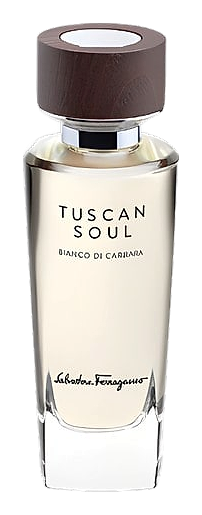
Bianco di Carrara is named after the famous white marble quarried in Tuscany, the same stone Michelangelo used to obtain marble for his famous works. It was released in 2013 as part of Ferragamo's Tuscan Soul Quintessential Collection, a four-piece anthology celebrating the landscapes and traditions of the region where Salvatore Ferragamo built his fashion house. The collection premiered on the Apuan Alps, the dramatic mountain range where the marble is sourced. Perfumer Lucas Sieuzac composed this scent to honor that legacy, weaving neroli and white pepper into a sharp, clean opening that feels weightless. The fig leaf note arrives with a milky greenness, while vetiver pulls dry earth into the heart. The base settles into sandalwood and musk, smooth and grounding.
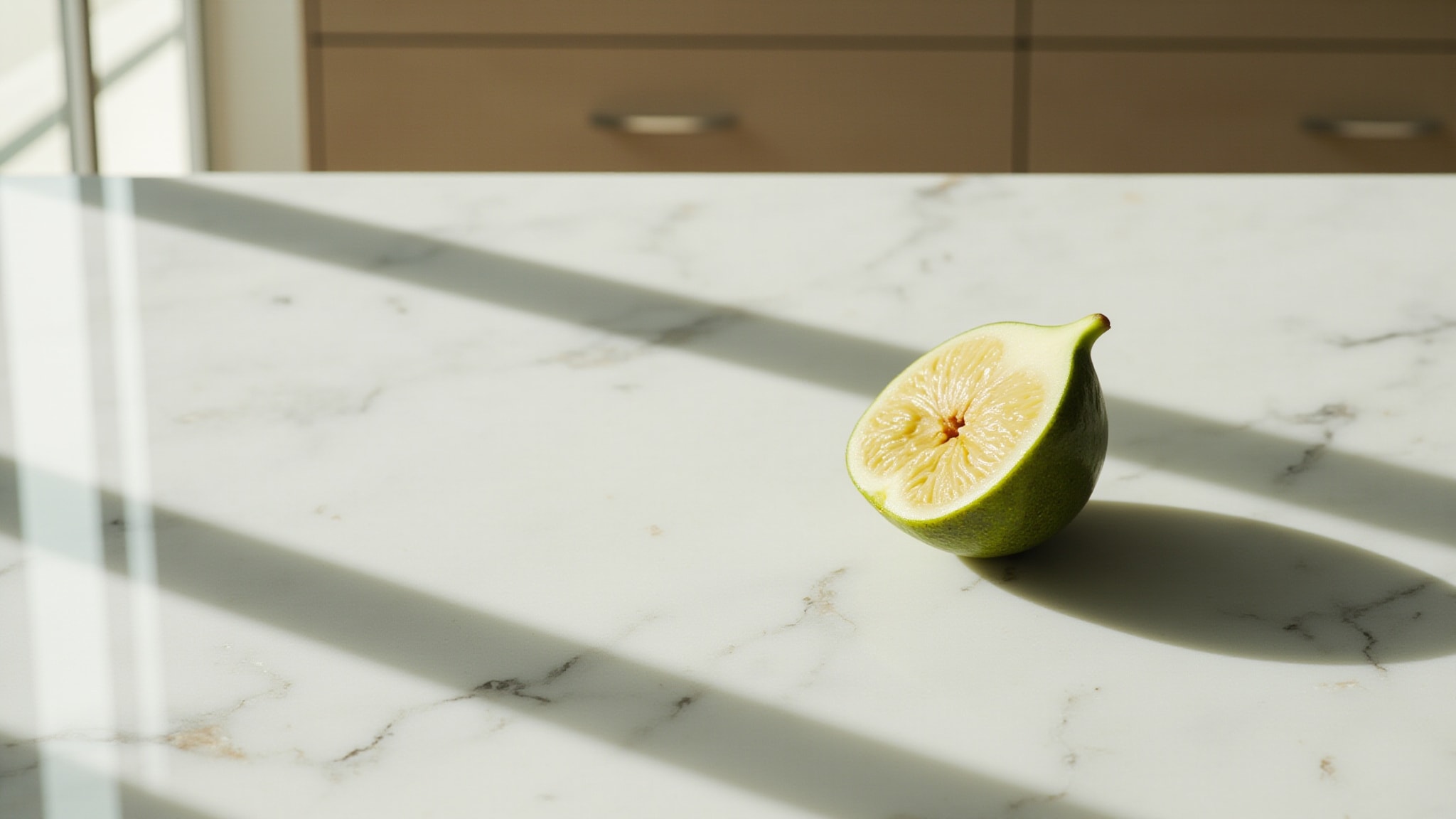
What's interesting here is the tension between the two heart notes. Fig and vetiver don't usually share space, and Sieuzac pairs them deliberately. The fig brings that milky, almost lactonic sweetness, green and slightly tropical. The vetiver grounds it with earth and dry root. Together they create something that reads both creamy and mineral, a paradox the rest of the composition supports. The white pepper up top adds a clean bite, bright but not aggressive. The base of white musk and tonka bean softens everything into a powdery, almost suede-like finish. It's a tightly built structure, restrained but with enough complexity to hold your attention past the first hour.
The evolution
The opening lands cool and precise. Neroli and white pepper create a brightness that feels almost architectural, like clean light off a stone facade. For the first 20-30 minutes, the scent reads transparent and lifted, with a subtle warmth building underneath. Then the fig arrives. That milky, green sweetness rounds out the sharpness, and the vetiver threads in from below, giving the whole composition weight without making it heavy. The transition into the base happens gradually over the next two hours. White musk and tonka bean take over, and the neroli's brightness dims into something softer, almost powdery. The drydown is where this fragrance earns its reputation: a clean, creamy, skin-like warmth that sits close and stays for hours. Projection opens with a confident, lifted presence, then settles into a close, suede-like trail that lingers through the evening. The next morning on fabric, there's still a ghost of tonka and musk, quiet but present.
Cultural impact
Bianco di Carrara sits in a comfortable middle ground, offering enough refinement to feel special while remaining accessible enough to wear daily without ceremony. It appeals to people who want something polished and clean, the kind of scent that signals taste without demanding a reaction. There's an understated confidence in how it presents itself, a quiet self-assurance that doesn't rely on bold gestures or aggressive sillage. It rewards close attention rather than broadcasting from across a room. The kind of wearer who chooses it tends to value subtlety, craft, and the idea that elegance doesn't need to shout to be recognized.