The Story
Why it exists.
The beginning
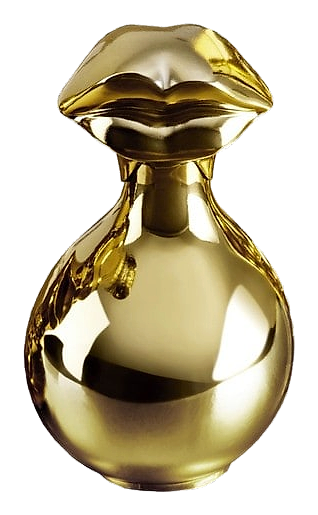
Bukhara, one of the main centers of trade of the Spice Road, sits at the heart of this composition. The Uzbek city once buzzed with caravans unloading silk, amber, and spices from distant lands, and its mosques and monuments with glazed domes offered a visual reference for the extravagance Raphael Haury would later translate into scent. Working in 2017, Haury built a portrait rooted in that opulence: a composition built from honey, dried fruit, rose, and a resinous base of benzoin, tonka, and ebony, extravagant, tactile, and steeped in the scent of things carried across continents. The bottle itself takes its sweeping silhouette from Dalí's 1981 painting Apparition of the Aphrodite of Knidos, a classical figure whose form gives the flacon its sense of movement and grandeur.
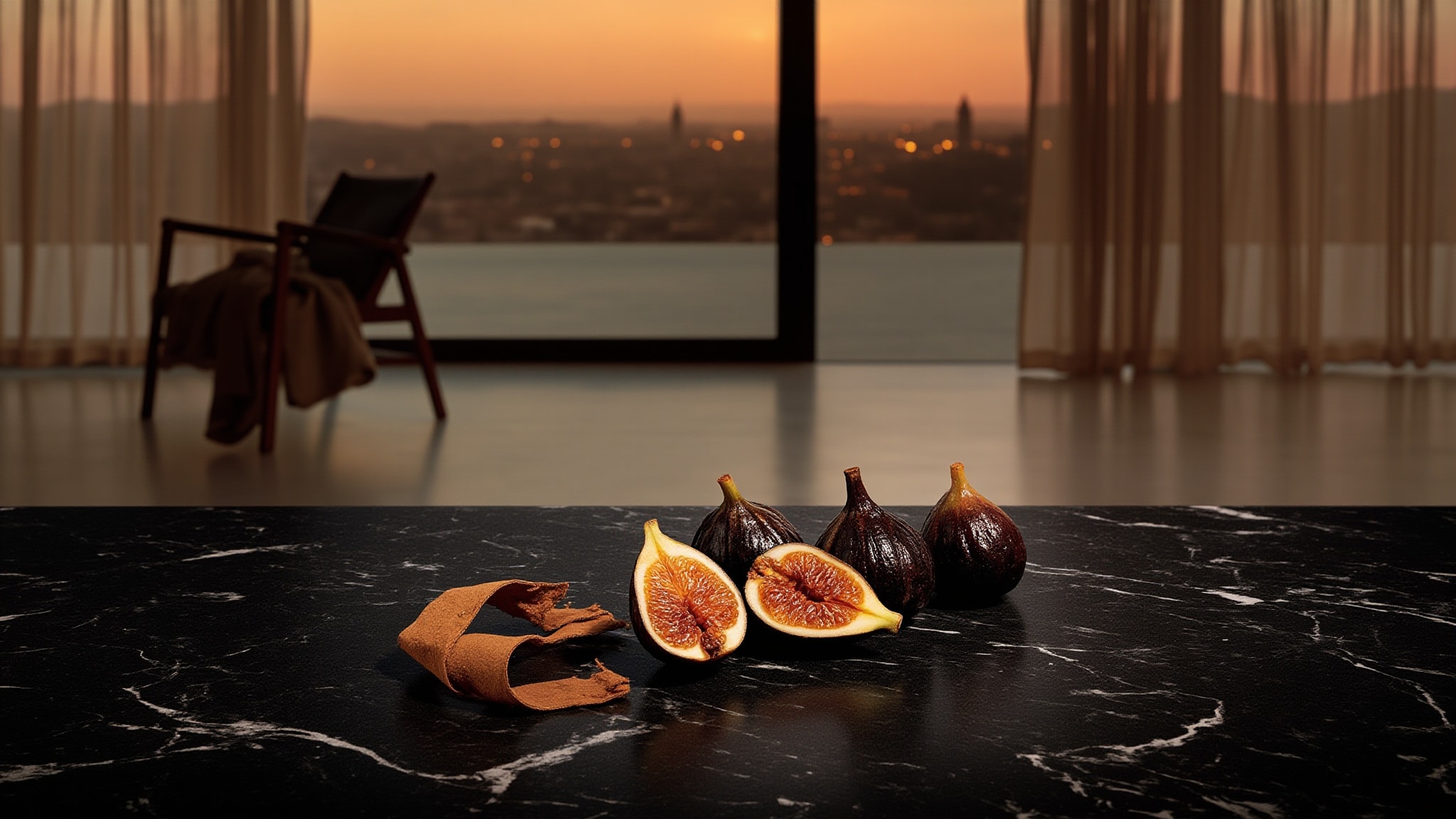
The composition's center of gravity is honey, and it appears twice, once at the heart and once at the base. That's unusual. Here it functions as a bridge between the floral middle and the resinous close, a material that can carry both the candied warmth of dried fruit and the vanillic depth of benzoin. Ebony in the base is equally deliberate. It brings something harder, darker, almost ink-stained, a woody note with the density of lacquerware rather than living forest. Together with tonka bean, it pulls the sweetness into territory that feels gilded rather than gourmand.
The evolution
The opening belongs to dried fruit and spice, a dense, almost sticky entry that reads like a market stall piled high with sweet offerings. There's no lift here, no bright citrus to cut through. The honey arrives quickly, softening the edges of the spice and pulling rose into focus, though the rose never sits prettily on its own. It's saturated, almost candied, wrapped in that double dose of sweetness. The fougère touch adds a quiet green shimmer, barely there, like herbs passed through a market rather than crushed in a garden. As the composition settles, the whole thing tilts downward. Benzoin and tonka take over, warm and almond-edged, and the ebony arrives not as wood but as something darker, a resin-stained shadow under the sweetness. The drydown runs close, a soft golden haze rather than a projection, the scent of something that was never meant to be light.
Cultural impact
Fabulous Bukhara wears as a fragrance for someone who treats getting ready as a performance. It doesn't whisper, and the wearer who reaches for it isn't trying to. It reads as evening, cold weather, a collar turned against the wind. The kind of scent that belongs to a specific kind of self-staging, one that leans into richness rather than restraint. The honey-doubled sweetness and resinous base give it a presence that fills a room without shouting, the olfactory equivalent of gilded lighting, heavy drapery, and the quiet hum of conversation.