The Story
Why it exists.
The beginning
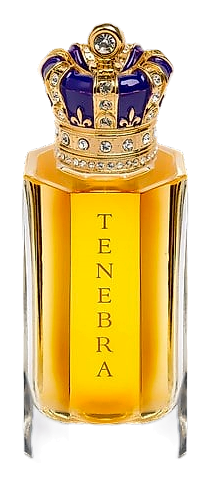
Tenebra arrived in 2011 from Antonio Visconti, perfumer for Royal Crown. The name signals that this wasn't another pretty floral. Visconti built the fragrance around tuberose pushed past comfort into something hypnotic, something that lingers the way a memory does after the room empties. Make florals feel dangerous again, the assignment seemed to say. What emerged was a fragrance that doesn't apologize for its intensity.
What makes Tenebra structurally unusual is the tuberose presence at every level of the pyramid, top, heart, and base, threading the composition like a spine rather than a single statement. The unusual pairing of ambergris with calamus grounds the florals, keeps them from floating into abstraction. The honey functions as a critical linking element between the more intense opening and the deeper base, creating a sense of progression that feels deliberate rather than random.
The evolution
The opening announces itself immediately, creamy heliotrope softened by cardamom's warmth, with tuberose already pushing through. The florals take full command as jasmine, iris, and Narcissus create a heady white-floral cloud that sits heavy in the air. The honey arrives quietly, sweetening the middle without softening it. As time passes, the base begins its reveal with tobacco absolute and oud arriving together, their darkness cutting through the florals like a shutter closing. The drydown is Tenebra's true face: ambergris, labdanum, and Mysore sandalwood on skin, close and animalic, with longevity that exceeds typical expectations.
Cultural impact
Tenebra occupies a specific niche: the woman who wants tuberose without apology, without the polite version. It's been discontinued, which has only deepened its cult status among collectors who seek out what the mainstream never embraced. In a market saturated with safe, mass-appealing florals, Tenebra positioned itself as a fragrance for those seeking something different.