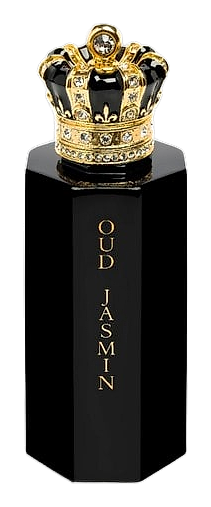
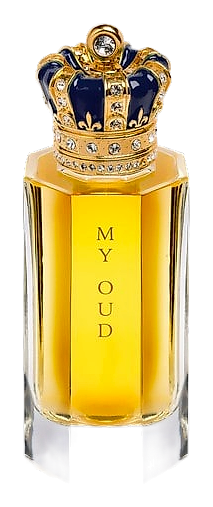
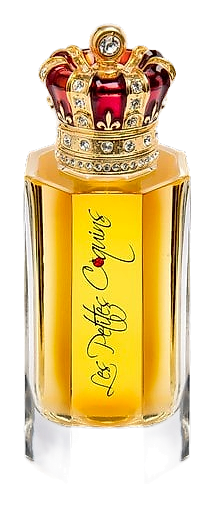
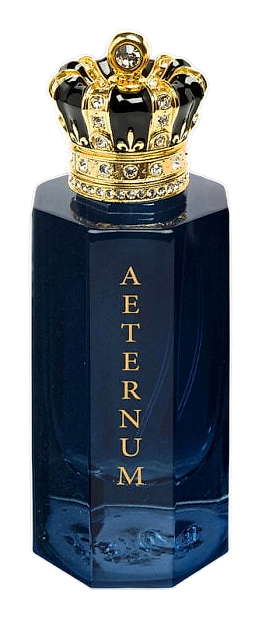
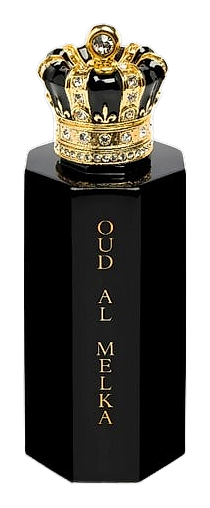
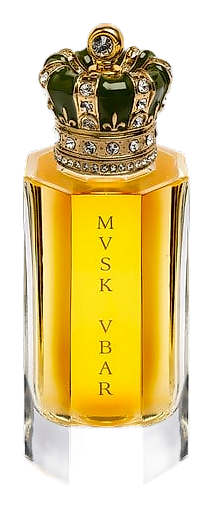
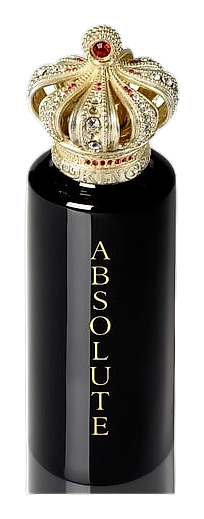
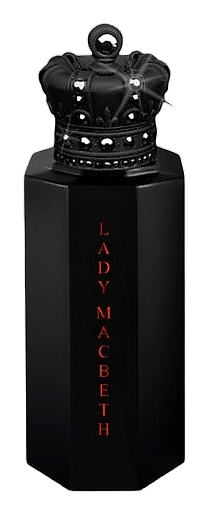
The Heritage
The Story of Royal Crown
Royal Crown is a niche perfume house rooted in Italian craftsmanship and a lineage that stretches back to the Florentine Visconti family. Founded in the early twenty‑first century, the brand blends historic techniques with contemporary olfactory storytelling. Its catalogue spans from the smoky depth of Oud Santal (2016) to the bright citrus of Yuzu (2025), offering both unisex and gender‑specific creations that emphasize balance, longevity, and a quiet sense of prestige.
Heritage
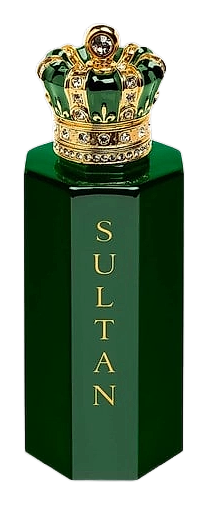
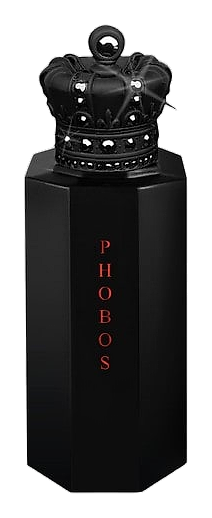
The story of Royal Crown begins with the Crown Perfumery, which opened its doors in 1872 in London. That same year Queen Victoria granted the company permission to use the likeness of her crown, a gesture that linked the house to royal patronage from its inception. In 1999 Clive Christian acquired the Crown Perfumery, preserving its historic archives while introducing a new era of luxury fragrances. A decade later, Antonio Martino Visconti, a descendant of the ancient Visconti family of Florentine master glovers and perfumers, launched Royal Crown in 2008. Visconti cited a desire to protect fading artisanal knowledge as the catalyst for the new brand. The first collections focused on traditional ingredients such as sandalwood, amber, and rare oud, sourced from regions with centuries‑old harvesting practices. Over the next ten years the house expanded its portfolio, releasing My Oud (2012), Adventure and Capture (both 2015), and the celebrated Oud Santal (2016). The late 2010s saw a burst of releases that explored new territories: Narkao and Oud Al Ain (both 2017) introduced exotic woods and resins, while Sultan (2018) paid homage to Middle Eastern heritage. In 2025 the brand unveiled three distinct launches—Yuzu, Lady Macbeth, and Phobos—demonstrating a willingness to experiment with citrus, literary inspiration, and celestial themes. Throughout its evolution, Royal Crown has remained a family‑run operation, with production centered in Rome and a commitment to preserving the craftsmanship inherited from its 19th‑century predecessor.
Craftsmanship
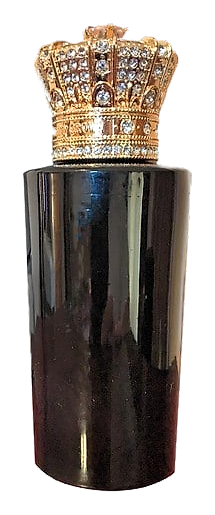
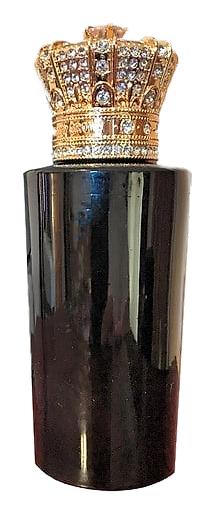
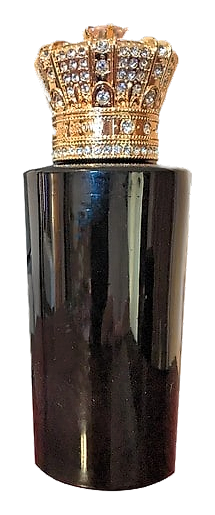
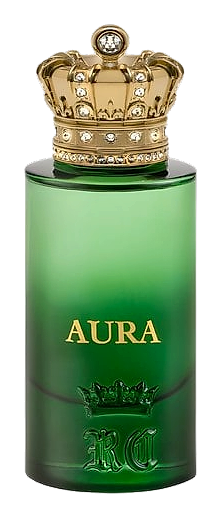
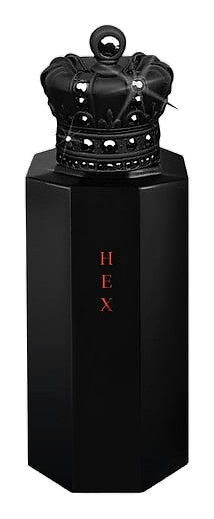
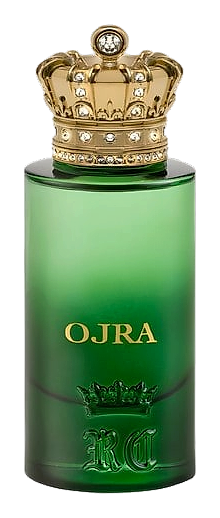
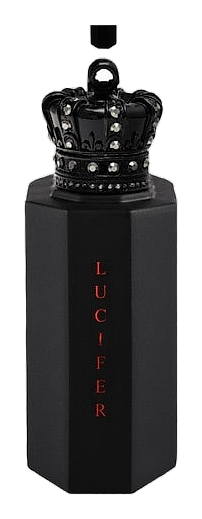
Production at Royal Crown takes place in a modest workshop near the historic center of Rome, where master perfumers blend ingredients by hand. The process begins with a meticulous selection of raw materials; for oud, the house sources wood from the wild forests of Kalimantan, where trees are aged at least fifty years before extraction. Sandalwood is obtained from sustainable plantations in Southern India, and citrus notes such as yuzu are harvested at peak ripeness in Japan’s Shikoku region. Once the raw ingredients arrive, they undergo a series of quality checks, including gas‑chromatography analysis to verify purity and concentration. The blending stage follows a traditional “mise en place” approach: each component is weighed to the gram, then introduced into a stainless‑steel vessel where it rests for a period ranging from several weeks to months, depending on the composition. This resting phase allows the molecules to harmonize, reducing harsh edges and enhancing longevity. After maturation, the perfume is filtered and transferred into hand‑blown glass bottles that are sealed with a crown‑shaped cap, a nod to the brand’s historic patronage. Each batch is signed by the lead perfumer, and limited releases are numbered to assure collectors of their authenticity. Quality control includes blind testing by a panel of scent experts, who evaluate balance, projection, and dry‑down before a fragrance is approved for market release. The house also maintains a small reserve of vintage extracts, which are occasionally re‑interpreted in new compositions, reinforcing the link between heritage and innovation.
Design Language
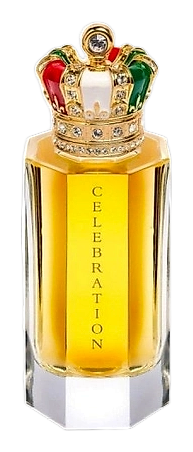
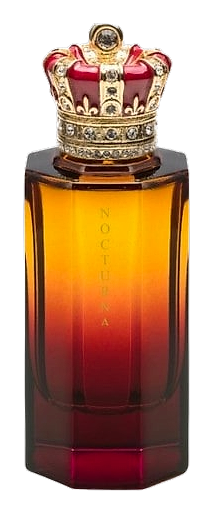
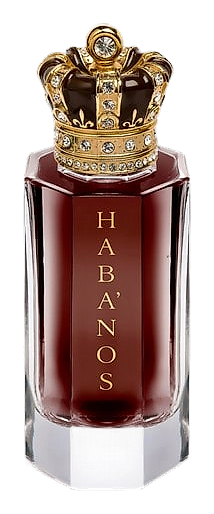
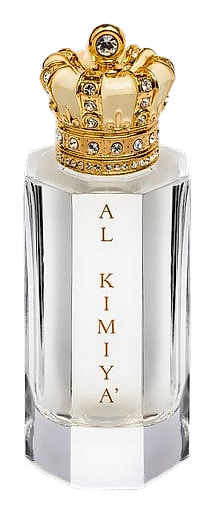
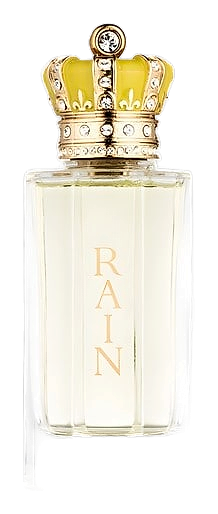
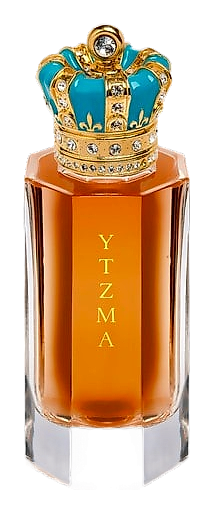
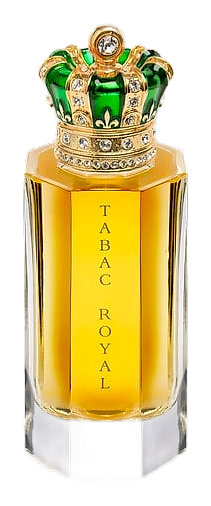
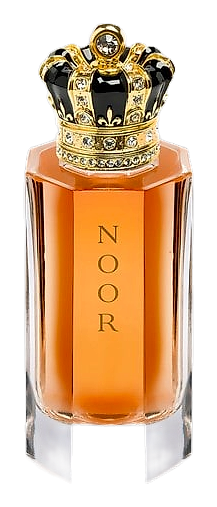
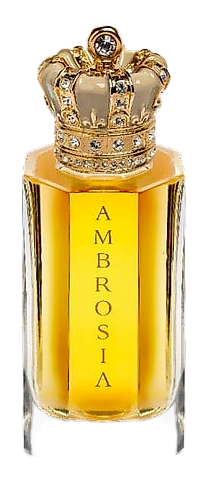
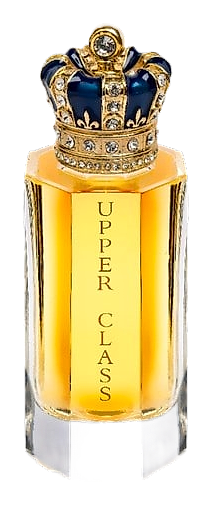
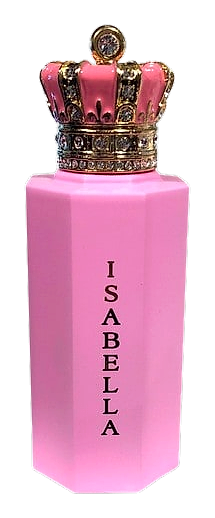
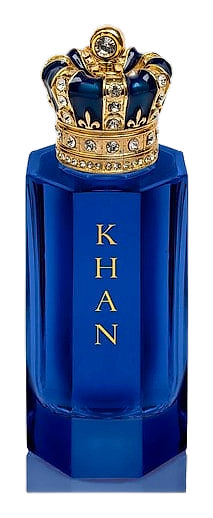
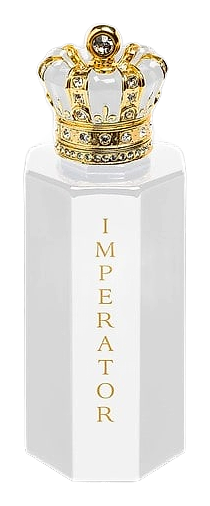
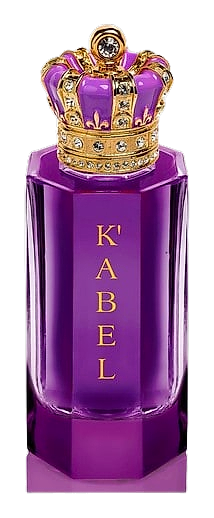
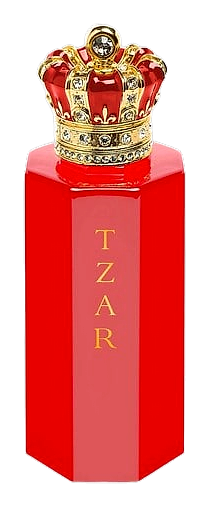
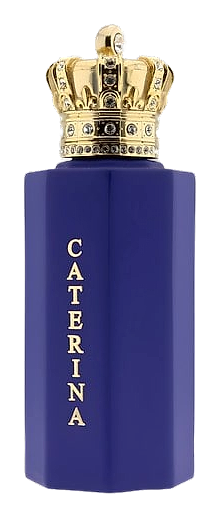
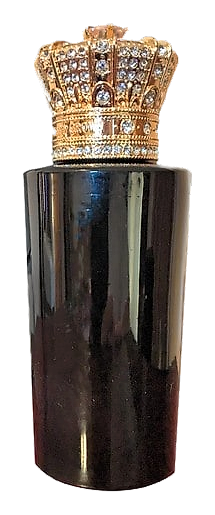
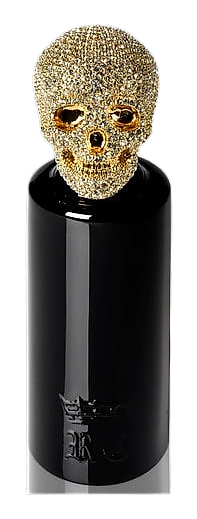
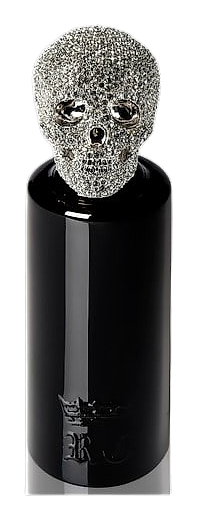
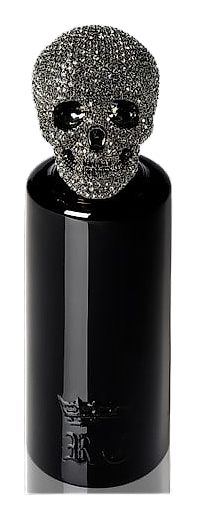
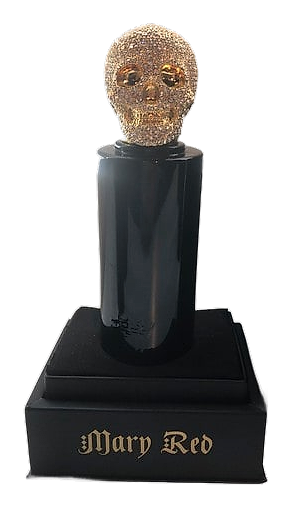
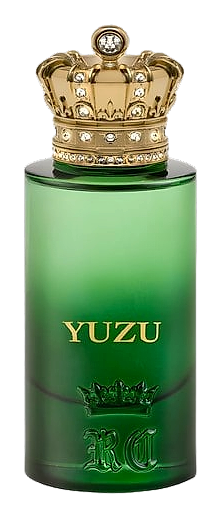
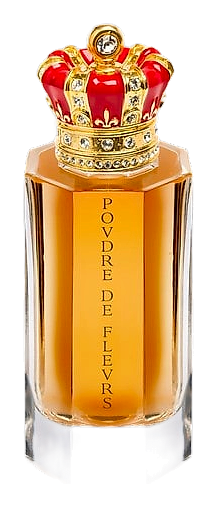
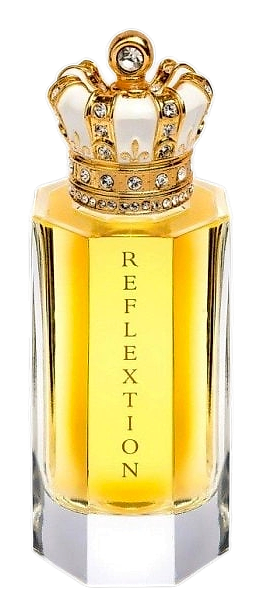
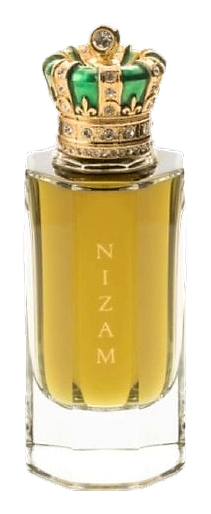
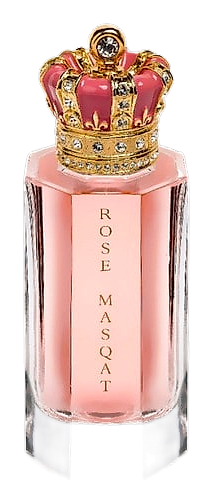
Royal Crown’s visual identity mirrors its commitment to understated elegance. The brand’s logo features a stylized crown rendered in thin gold lines, set against a matte black background; the design appears on all packaging, from outer boxes to the embossed caps on each bottle. Bottles are crafted from clear, high‑grade glass, allowing the perfume’s color to become a focal point. Minimalist typography—sans‑serif, all caps—communicates a modern sensibility while the crown motif adds a historic touch. For limited editions, the house collaborates with Italian glassmakers to introduce subtle textures, such as a sand‑finished finish on the Yuzu bottle, which catches light without overwhelming the scent’s purity. Marketing imagery favors natural settings: photographs of Mediterranean stone walls, sun‑drenched orchards, and quiet library interiors accompany product launches, reinforcing the narrative of timeless craftsmanship. The brand’s website follows the same clean aesthetic, using generous white space, muted color palettes, and concise copy that lets the fragrances speak for themselves.
Philosophy
Royal Crown’s creative vision rests on the idea that fragrance is a living archive of culture, geography, and memory. The house believes that each scent should act as a bridge between past and present, allowing the wearer to experience a moment that has been carefully distilled. Sustainability and ethical sourcing are core values; the brand works directly with growers in Indonesia, Madagascar, and the Middle East to ensure that raw materials such as agarwood and sandalwood are harvested responsibly. Transparency guides the formulation process: ingredient lists are disclosed whenever possible, and the brand invites collaborators to visit its Rome atelier. Rather than chasing trends, Royal Crown seeks to honor the intrinsic character of each raw material, allowing its natural personality to dictate the structure of the perfume. This philosophy translates into a portfolio that balances bold statements—like the smoky intensity of Phobos—with subtle, nuanced compositions such as the citrus‑green clarity of Yuzu. The house also embraces storytelling, drawing inspiration from literature, mythology, and historic events, which informs both the naming and the emotional narrative of each fragrance.
Key Milestones
1872
Crown Perfumery founded in London; Queen Victoria grants permission to use her crown likeness
1999
Clive Christian purchases Crown Perfumery, preserving its archives
2008
Antonio Martino Visconti establishes Royal Crown in Rome
2012
Release of My Oud, the house’s first oud‑centric fragrance
2015
Adventure and Capture launched, expanding the unisex line
2016
Oud Santal introduced, combining rare oud with Indian sandalwood
At a Glance
Brand profile snapshot
Origin
Italy
Founded
2008
Heritage
18
Years active
Collection
1
Fragrances released
Avg Rating
4.0
Community sentiment
Release Rhythm


