The Story
Why it exists.
The beginning
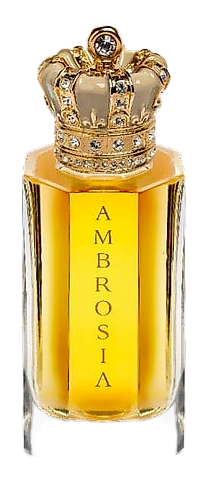
Ambrosia takes its name from Greek mythology, the food and drink of the gods, the substance that granted immortality. In Homer's account, Circe described swallows carrying ambrosia to Olympus, hoping to delight the gods with its aroma. Perfumer Antonio Visconti structured the fragrance as a progression from fruit to flower to honey, each phase arriving when the previous one is ready to give way, never fighting for attention. The opening bursts with bright, clean fruit notes that feel almost translucent, a quality that carries through as the composition unfolds. As the fruity sparkle settles, florals emerge with a creamy richness that feels deliberate rather than accidental.
What makes Ambrosia distinctive is the grey musk and metallic notes anchoring the base. Most honey fragrances lean heavily into warmth and projection, they announce themselves and stay loud. Here, the metallic accord acts as a cooling mechanism, keeping the sweetness from cloying even as it develops over hours. The Florentine iris absolute provides a powdery elegance that bridges the fruity opening and the honeyed close. This combination creates a waxy, slightly cool undertone that prevents the fragrance from becoming overly warm or heavy.
The evolution
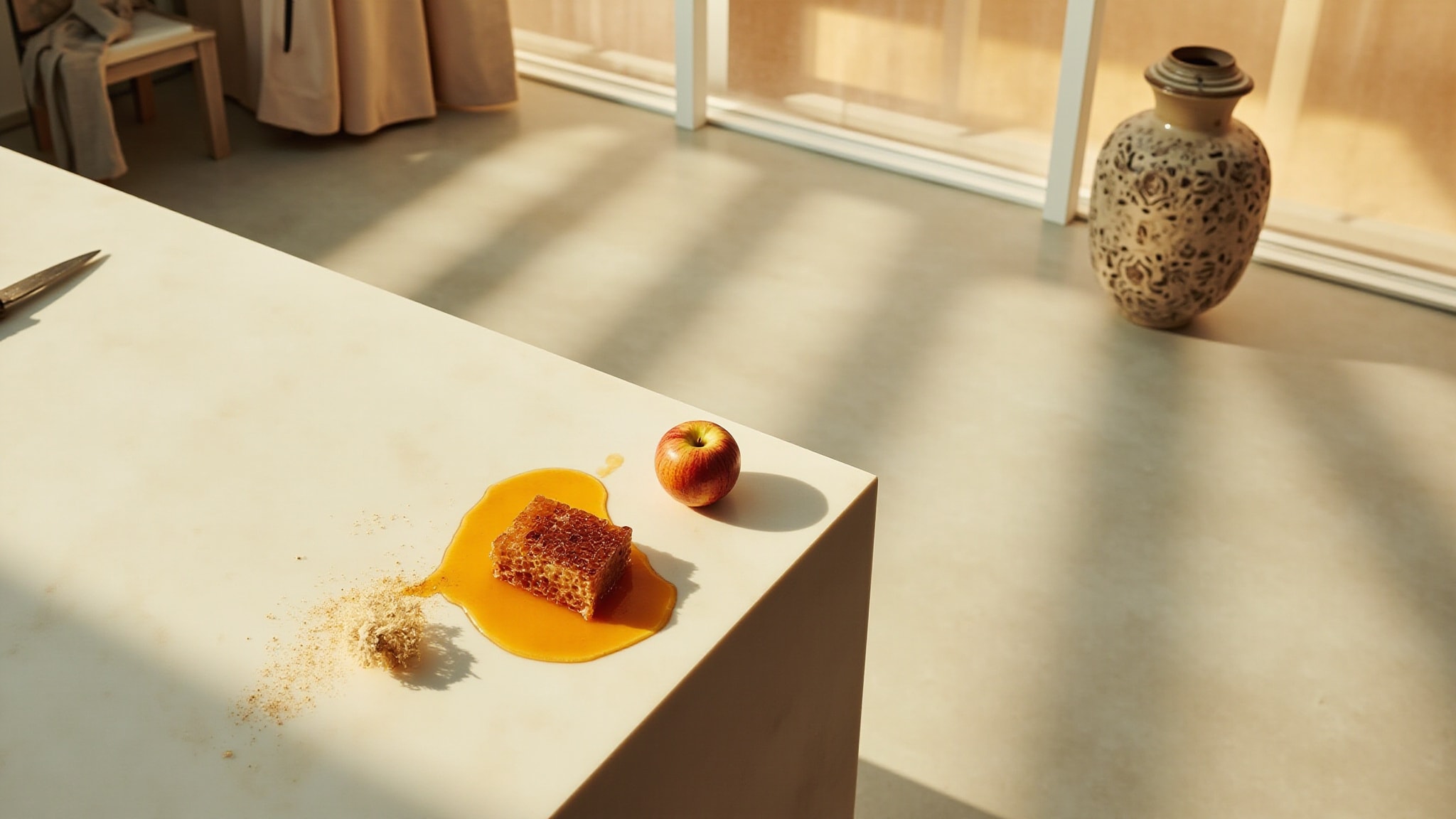
The opening announces apple and elemi resin. The elemi is key here, it's citrusy, almost piney, and it cuts the melon sweetness before it can settle. You get about twenty minutes of that cool, green-fruity tension before Bulgarian rose absolute takes over. The rose isn't rosy in a young way, it's absolute, so it carries depth, almost a waxy quality that pairs with the iris coming up beneath it. The heart holds for a generous duration, which is where most fragrances live. Then the honey arrives. Not aggressive honey, this is the kind that pools at the bottom of a ceramic jar, thick and warm and close to skin. The frankincense threads through, keeping everything grounded. The next morning: a faint sweet warmth on fabric, like something that refused to leave.
Cultural impact
Ambrosia arrived as a quiet counterpoint to the loud, performative fragrances dominating that era. The house chose Antonio Martino Visconti as nose, drawing from Florentine iris and Bulgarian rose absolutes that carry craft traditions. The honey-metallic drydown became a signature that positioned Ambrosia as a study in restraint. These choices reflect a deliberate approach to fragrance composition, prioritizing nuance and complexity over bold statements. The result is a scent that rewards careful attention rather than demanding immediate notice.