Grey Musk
Grey Musk delivers a warm, subtly animalic aroma that anchors modern fragrances with depth and longevity, echoing the historic allure of natural musk while embracing sustainable chemistry.
Character
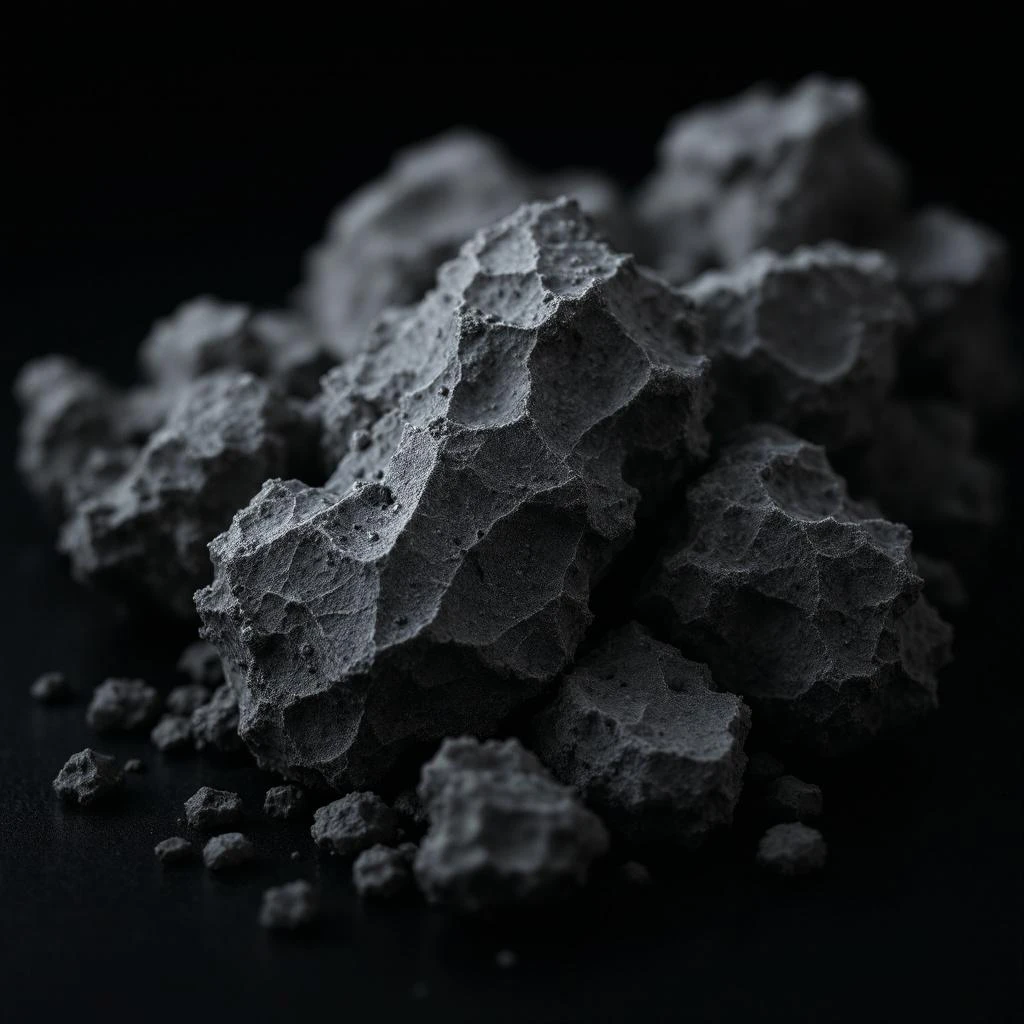
How it smells
Synthetic warmth, timeless allure.
The first synthetic musk, called musk ketone, entered the market in 1888, but Grey Musk, a macrocyclic variant, only reached commercial use in the 1970s after researchers proved its biodegradability.





Origin
Germany
Musk first appears in written records from the 6th century CE, when traders carried the scent from the Indian subcontinent to Greece and the Roman Empire. Ancient Chinese and Arabic alchemists prized the glandular secretion of the male musk deer for its tenacity and used it in religious rites.
By the 1800s, European courts demanded musk for haute‑cuisine perfumes, prompting hunters to travel across the Himalayas. The practice sparked a sharp decline in wild musk‑deer populations, leading CITES to list the species in the early 1990s.
Scientists responded by synthesizing musk analogues; the first nitro‑musks entered the market in the 1930s, but concerns over persistence pushed the industry toward macrocyclic structures. Grey Musk emerged in the 1970s as a clean‑smelling, biodegradable alternative, and it quickly replaced natural extracts in mainstream fragrance houses.
Wears it best
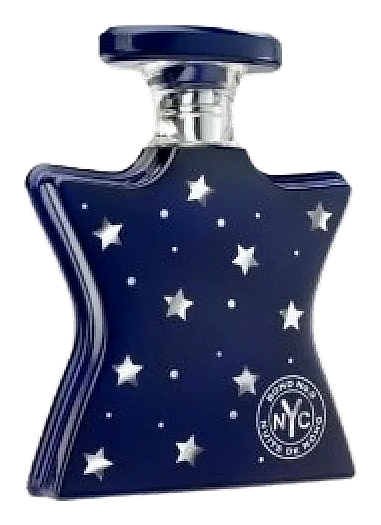
Fragrances featuring Grey Musk
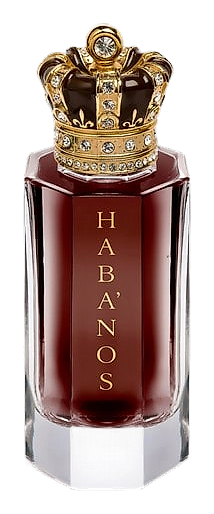
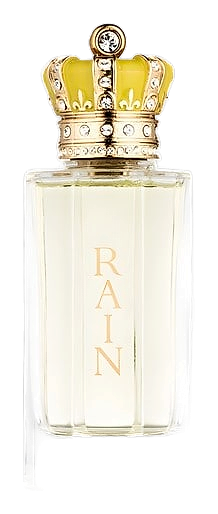
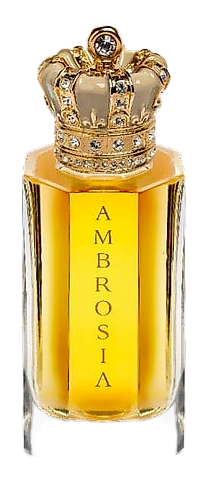
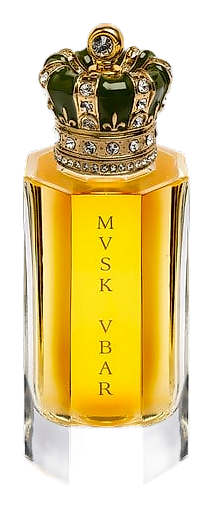
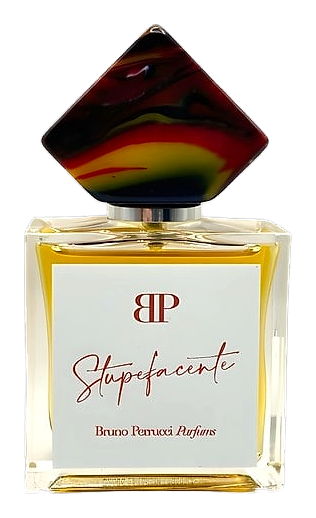
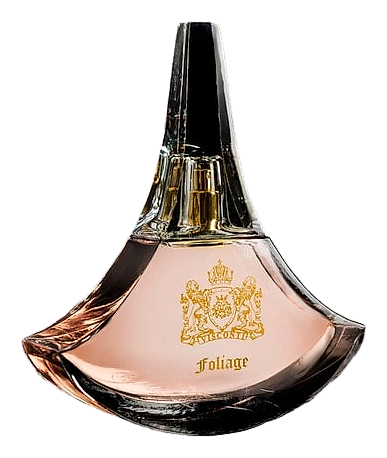
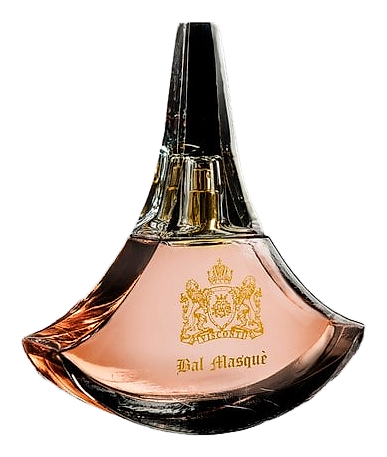
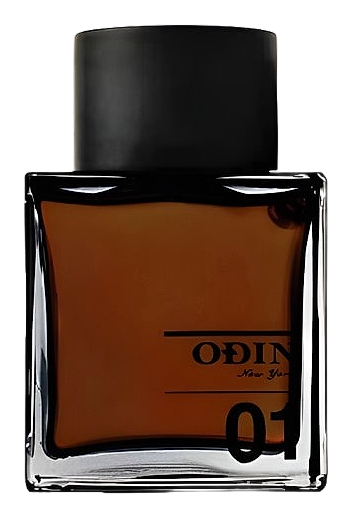
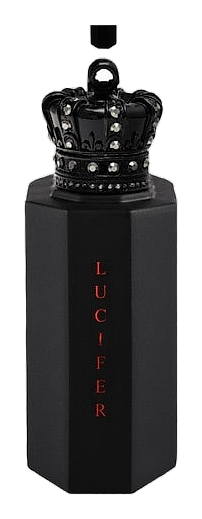
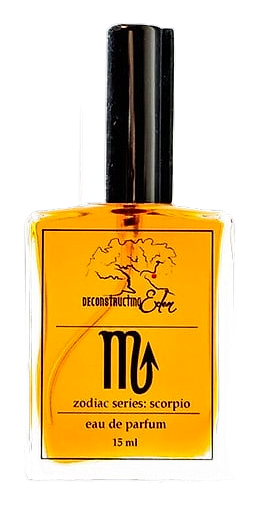
Brands
Brands known for Grey Musk
Good to know
Questions, answered
The essentials on Grey Musk in perfumery: how it smells, where it comes from, and how it behaves on skin.
What is Grey Musk?
Grey Musk is a synthetic macrocyclic musk that mimics the warm, animalic scent of natural musk. It first appeared in the 1970s as a safer alternative; a 1975 study recorded its vapor pressure at 0.02 mm Hg, confirming its low volatility and.
How is Grey Musk produced?
Manufacturers synthesize Grey Musk through a cyclization of long‑chain dicarboxylic acids followed by hydrogenation and esterification. The 1992 patent from a German laboratory describes a 12‑step process that yields a 98 % pure compound without animal input and environmentally benign by design.
Is Grey Musk safe for skin?
Regulatory agencies classify Grey Musk as non‑irritant and non‑sensitizing at typical perfume concentrations. The European SCCS review in 2005 set a maximum use level of 5 % in leave‑on products, based on a 28‑day dermal study on rabbits and human volunteers showed no adverse response.
What does Grey Musk smell like?
Grey Musk offers a clean, slightly powdery aroma with a subtle animalic edge that lingers on the skin. In a 2018 sensory panel, 78 % of participants described it as “softly warm” compared with traditional amber notes and pleasant dry finish.
Can Grey Musk be used in vegan perfumes?
Yes, Grey Musk contains no animal derivatives, making it suitable for vegan formulations. The 2020 Vegan Society audit recorded 0 % animal‑derived content across 150 tested fragrance ingredients, including Grey Musk and confirmed compliance with EU vegan labeling standards through rigorous testing.
Why did the perfume industry replace natural musk?
The industry shifted to synthetics after wildlife protections limited deer hunting and public outcry highlighted cruelty. In 1991, CITES listed the musk deer under Appendix II, reducing legal supply to under 1 % of historic harvest levels globally and prompting new research.
What environmental impact does synthetic Grey Musk have?
Synthetic Grey Musk avoids hunting pressure but its production can emit volatile organic compounds. A 2017 life‑cycle analysis measured a carbon footprint of 2.3 kg CO₂ eq per kilogram of product, comparable to other aroma chemicals and energy use remain moderate overall today.
How long does Grey Musk linger on skin?
Grey Musk persists for up to 12 hours on warm skin, thanks to its low vapor pressure. In a 2015 wear test, 65 % of volunteers reported detectable scent after eight hours and remained faint but recognizable through the evening for most users.