The Story
Why it exists.
The beginning
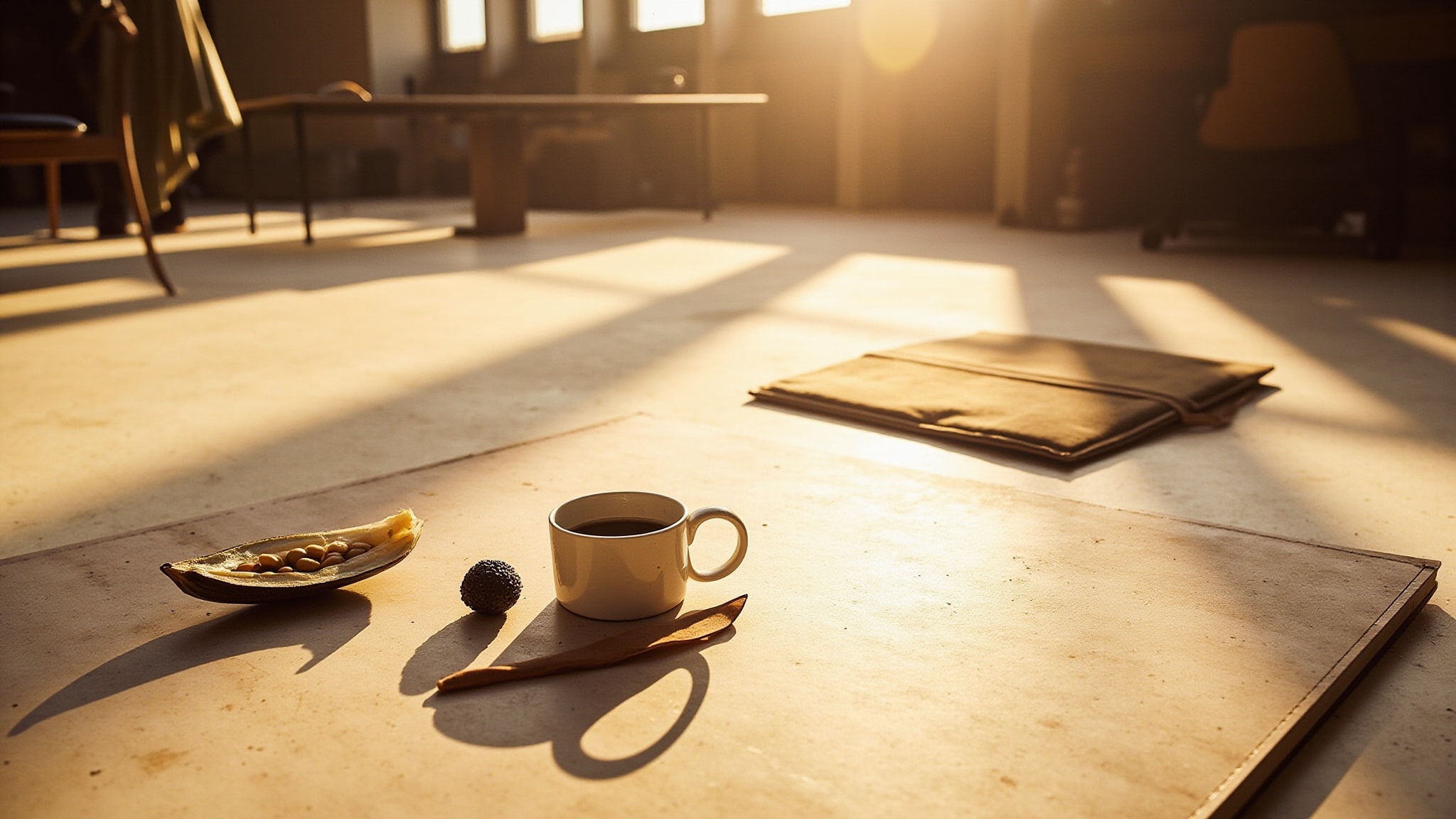
Roxana Villa built Chocolate: Figure 6: Épices as a study of cacao in its rawest form, a perfume that treats the bean as material worth honoring before sugar ever enters the conversation. The name itself tells you the intent: Épices signals that this one leans into warmth rather than sweetness, that what follows is chocolate stripped down to its earthiest, most essential character. Villa approaches cacao with the patience of someone who knows there is more inside the bean than most people ever smell. The dark roast, the faint bitterness, the way a high-quality cacao carries its own quiet heat, all of it sits on the surface waiting for the right composition to draw it out. Épices is built around that potential.
What separates Figure 6: Épices from a typical chocolate perfume is restraint. The composition uses a very high percentage cacao in its original formulation, the kind of bar that makes your teeth ache, then wrapped it in botanical spice and vanilla until the composition found its own gravity. The result reads less like a confection and more like a raw material, closer to the source than to the finished dessert. Nothing is forced into alignment. Instead, the cacao and the spice find their own shared temperature, exchanging warmth until the whole thing settles into a single continuous presence.
The evolution
The opening arrives dense and almost savory. Cacao and spice present together at the same moment, layered so closely that it's hard to tell where one ends and the other begins. There is no bright top to warn you it's starting; it begins already deep, already grounded, already carrying the kind of weight that pulls you in rather than pushing outward. For the first stretch of wear, the composition holds that dense intensity, the cocoa pulsing at the center while the spices shift and breathe underneath. The spice element doesn't sit still. It moves through warm registers, revealing different facets as minutes pass, sometimes darker and drier, sometimes lifting toward something softer and rounder. The interplay between cocoa and spice is the whole architecture of the opening, two materials circling each other rather than one supporting the other.
Cultural impact
Within the small world of artisan natural perfumery, Figure 6: Épices occupies a particular place as a fragrance that takes cacao seriously. Where many chocolate-forward compositions reach for sweetness, for the comfort of dessert, Épices turns toward the dark, mineral, almost bitter side of the bean. It appeals to wearers who want chocolate's depth without sugar coating it, people drawn to raw material rather than finished confection. The composition treats cacao as an artistic subject worth its own portrait rather than an accord to fold into a larger sweet blend.