The Story
Why it exists.
The beginning
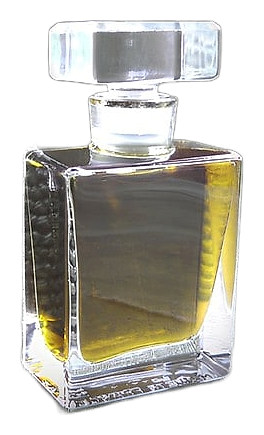
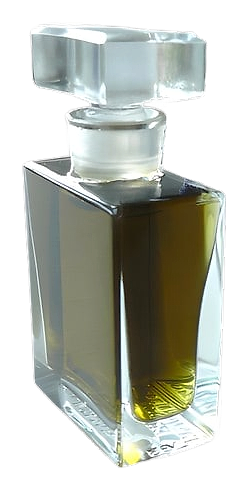
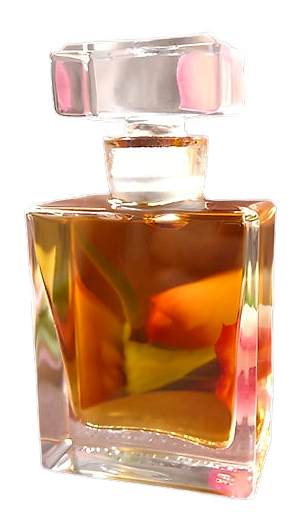
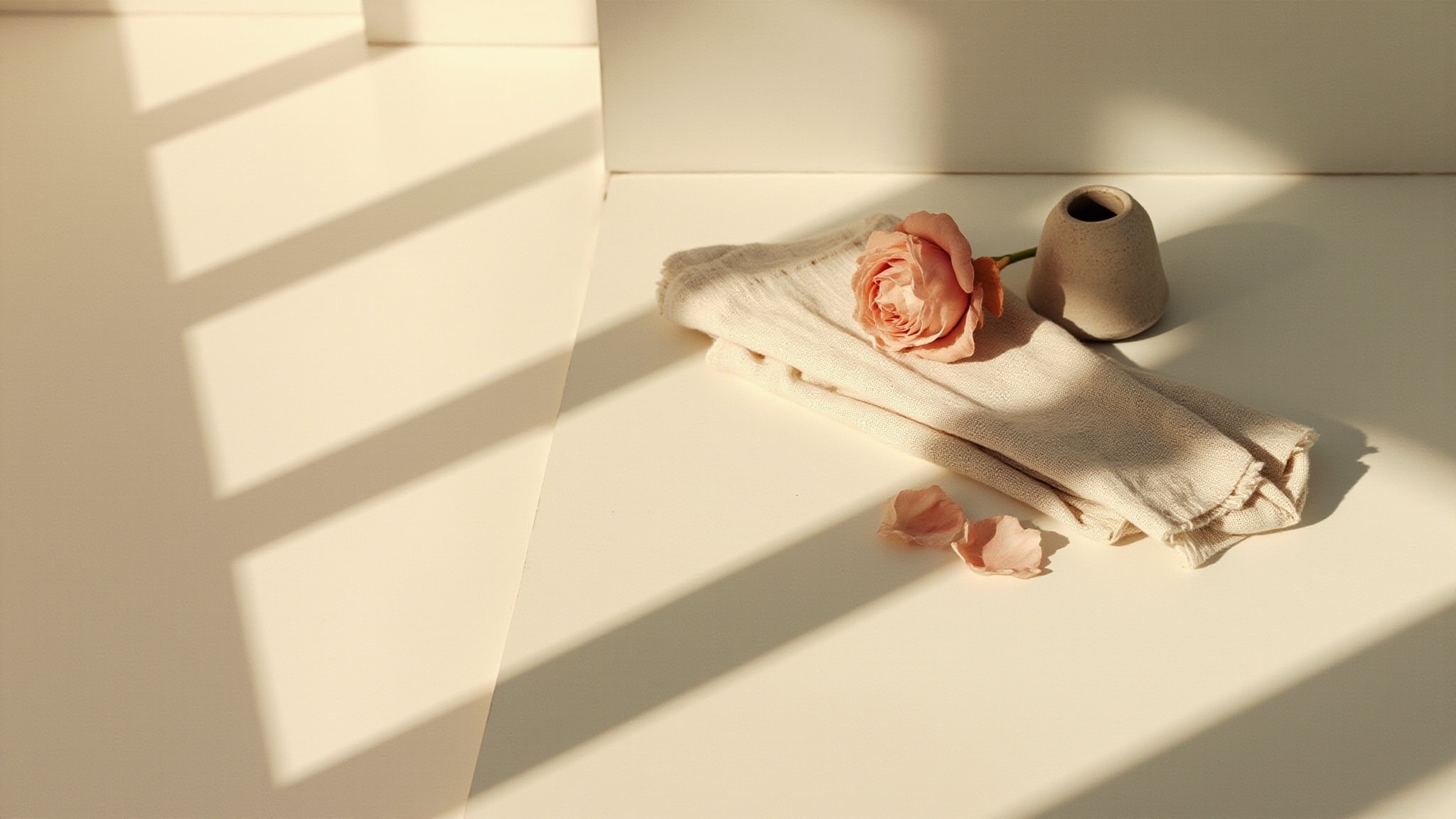
In the hills above Los Angeles, where the air turns sharp after rain, Rosa californica grows wild, five petals, unpruned, indifferent to gardens. Roxana Villa had been studying botanical chemistry for years when she started noticing how different this rose smelled from anything in a bottle. Not the romantic abstraction. The actual thing: earthy roots, green stems, a scent that changed from morning to afternoon. She wanted to bottle that. Not a perfect rose. A true one. Rosa arrived in 2008 as a quiet argument against rose as decoration, proof that the wild kind, the kind that feeds birds and holds soil, smells like something worth keeping.
What makes this composition unusual is the choice of rose. Tincture of Rose and Taif Rose carry a darker, more animalic character than the standard damask. Less potpourri, more field. The citrus in the opening isn't sweetness, it's contrast. It makes the earthiness read as intentional rather than accidental. Mysore sandalwood and oud anchor the whole thing, preventing the rose from floating off into abstraction. The result isn't a pretty rose. It's a honest one, the kind that has roots and thinks about them.
The evolution
The first thirty minutes are all citrus and skepticism. A tartness that seems almost too forward, then retreats. The rose doesn't burst in, it sidles. Within an hour, the first bloom. Not a full rose yet, but the suggestion of one, deepening. By hour two, something has happened. The citrus has dissolved. The rose is everywhere, rich, powdery, almost warm. It doesn't smell like a garden. It smells like the memory of one, edited down to the essential part. Hour four. The Mysore sandalwood takes over, wrapping the rose in something woody and intimate. The sillage drops. This is when people either lean in or check their wrist. By hour six, what remains is a quiet warmth, powdery, close, faintly floral. On skin, it can still be found at eight hours. On fabric, longer.
Cultural impact
Rosa occupies a specific corner of the indie fragrance world, appreciated by those who seek botanical honesty over synthetic construction. It's not trying to compete with mainstream rose perfumes or niche oud-heavy releases. Instead, it speaks to a specific kind of wearer: someone who keeps a garden, notices seasonal changes, and wants their fragrance to feel like something that grew rather than something that was engineered.