The Story
Why it exists.
The beginning
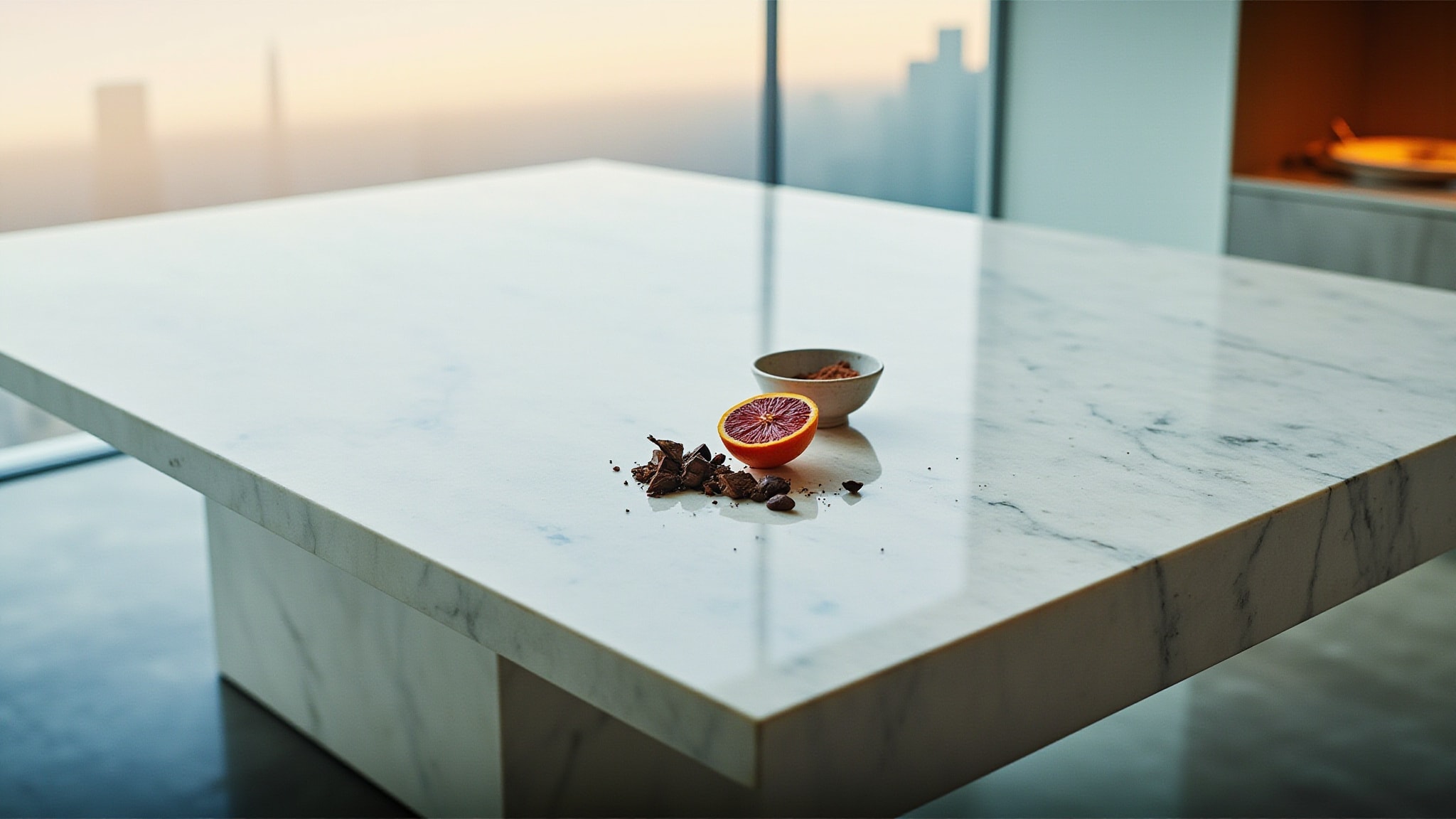
Roxana Villa has long been fascinated with cacao, the South American seed the ancients called the food of the gods. Figure 4: L'Orangerie came out of a series she built around that obsession, a collection of natural solid perfumes she treats less like fragrance and more like unguent, an ancient word for a scented balm meant to anoint. Each one shares the same botanical chocolate base, made from real cacao, cocoa butter, and organic cocoa powder. What changes, with each figure in the series, is the accent. Here, the accent is orange, listed simply as orange among the citruses in the composition. The fruit character meets the chocolate base so the two become something neither one is alone.
What makes this composition worth slowing down for is the marriage of two materials that rarely share a bottle. The chocolate base is grounded, earthy, faintly bitter in the way real cacao is before sugar smooths it out. The orange crashes in with a brightness that reads almost alive, the volatile oils lifting off skin within minutes. The Mexican chocolate carries an earthy depth that grounds the whole composition, while the citrus accent adds a sharp lift that prevents the blend from collapsing into pure dessert.
The evolution
The first ten minutes are all orange, bright, slightly sharp, almost like you tore into the fruit with your fingers and got juice on your wrist. Then the cacao rises underneath, dark and faintly smoky, and the two circle each other for the next hour or so. The citrus never fully leaves. It just gets heavier, warmer, less like zest and more like the inside of an orange left on a sunny windowsill. By hour three, the chocolate has the floor. It sits close to the skin, warm and dry, with that bitter edge real cacao carries. On fabric, especially wool or a scarf, the orange lingers longer than you'd expect, sometimes into the next morning. What you wake up smelling is chocolate, mostly, and it's not the sweet kind.
Cultural impact
This fragrance sits comfortably in the world of natural and artisanal perfumery, where botanical solids and small-batch releases have built a quiet following among wearers who read ingredient lists before they read marketing copy. The chocolate-orange pairing is unusual enough to feel personal rather than commercial, a quiet signal to anyone close enough to catch it. Wearing a solid perfume changes the social contract of scent: the throw stays close to the body, the sillage intimate, and the wearer decides who gets to lean in close enough to notice.