The Story
Why it exists.
The beginning
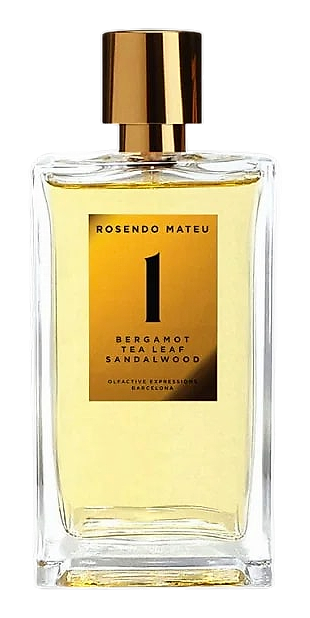
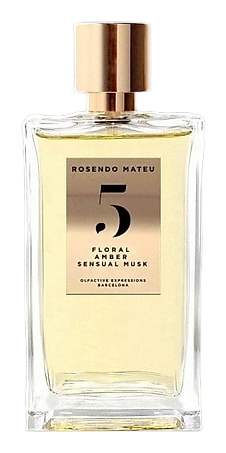
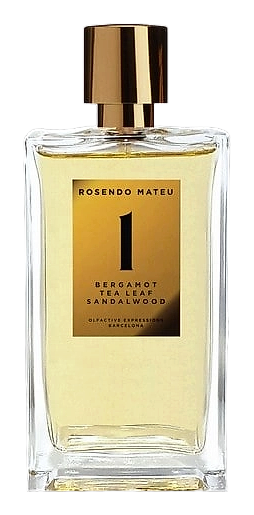
Rosendo Mateu spent more than half a century creating fragrances for others, eighty scents at the Puig house in Barcelona, behind the scenes, with what observers described as extreme precision. In 2017, he launched his own label and finally made perfume on his own terms. Bergamot, Tea Leaf, Sandalwood is the first in that collection. The choice of ingredients reflects his philosophy: noble, familiar materials built into warm, intimate accords. Bergamot for clarity. Tea for contemplation. Sandalwood for the warmth that stays.
What makes this composition interesting is the tension between its opening and its heart. The bergamot, Calabrian, sharp, almost biting, reads as bright and masculine. But the tea leaf that follows is meditative, almost quiet. Bitter orange blossom bridges the gap, adding a transparent floral quality that keeps the transition from feeling abrupt. The green bell pepper and cardamom in the heart are unusual, they add an aromatic complexity that prevents the composition from feeling like a standard citrus fougère. White musk and iris give the drydown its powdery warmth, but the sandalwood keeps it grounded. The result is a fragrance that feels classic but angled, traditionally clear-headed, not stuffy.
The evolution
The top notes arrive quickly: bergamot, lime, green mandarin, a wash of herbal complexity from sage, rosemary, and thyme. The herbs keep the citrus from reading as feminine, it's structured and clear-headed. Within the first twenty minutes the bergamot begins to recede, and the heart emerges: tea leaf, neroli, jasmine. This is the phase that defines the fragrance, a warm, transparent floral-green that feels almost meditative. The drydown takes its time. Sandalwood appears quietly, blending with white musk and a whisper of iris. The whole composition holds for six to eight hours on most skin, sillage remaining intimate throughout. The next morning, a faint warmth remains at the pulse points.
Cultural impact
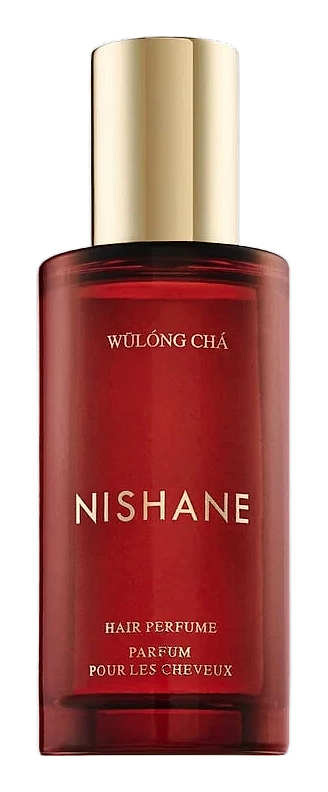
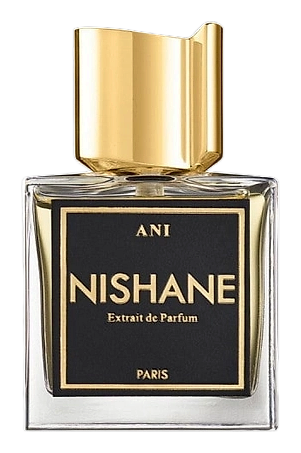
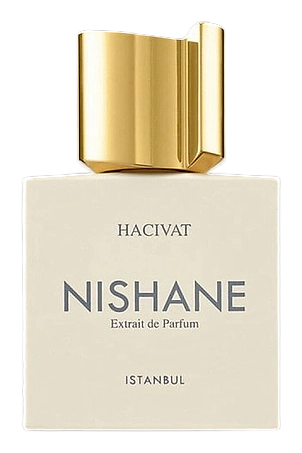
This fragrance sits in a particular corner of the market, aromatic freshness with a contemplative heart. Tea-based compositions are having a moment across independent perfumery (Nishane's Wulong Cha, Memo Paris's Winter Palace), and this one earns its place among them through restraint rather than statement. What sets it apart is the bergamot-tea contrast, bright opening, quiet heart. It doesn't compete for attention. That choice appeals to a wearer who already knows what they like.