The Story
Why it exists.
The beginning
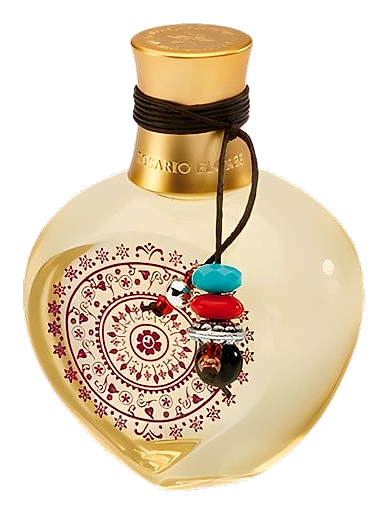
De Mil Colores arrives last in a three-fragrance chapter from Rosario Flores, the Spanish singer and actress whose roots trace back through her mother, Lole Flores, a notable figure in her own right. The name comes straight from her music: De Mil Colores, of a thousand colors, taken directly from one of her studio albums. Where Alma (2006) opened the project and Siento (2008) deepened it, this 2010 release closes the trilogy with a brighter, more extroverted statement. The composition was developed in cooperation with Puig, the Spanish fragrance house, and launched in Madrid at the Villamagna hotel on November 30th, 2010. Fruit and white flowers at the surface, warm amber underneath, all of it built for a woman who doesn't soften her edges to be liked.
The interesting move here is the citrus-to-amber arc. De Mil Colores pairs its orchard opening with a base that has actual weight: amber, musk, sandalwood. That structural choice gives the white floral heart something to push against, so the jasmine and violet read as expressive rather than polite. The top notes of bergamot and mandarin bring a sunlit brightness that sets up the floral core without competing with it. The musk keeps everything from drifting away, grounding what could have been an airy composition into something that lingers.
The evolution
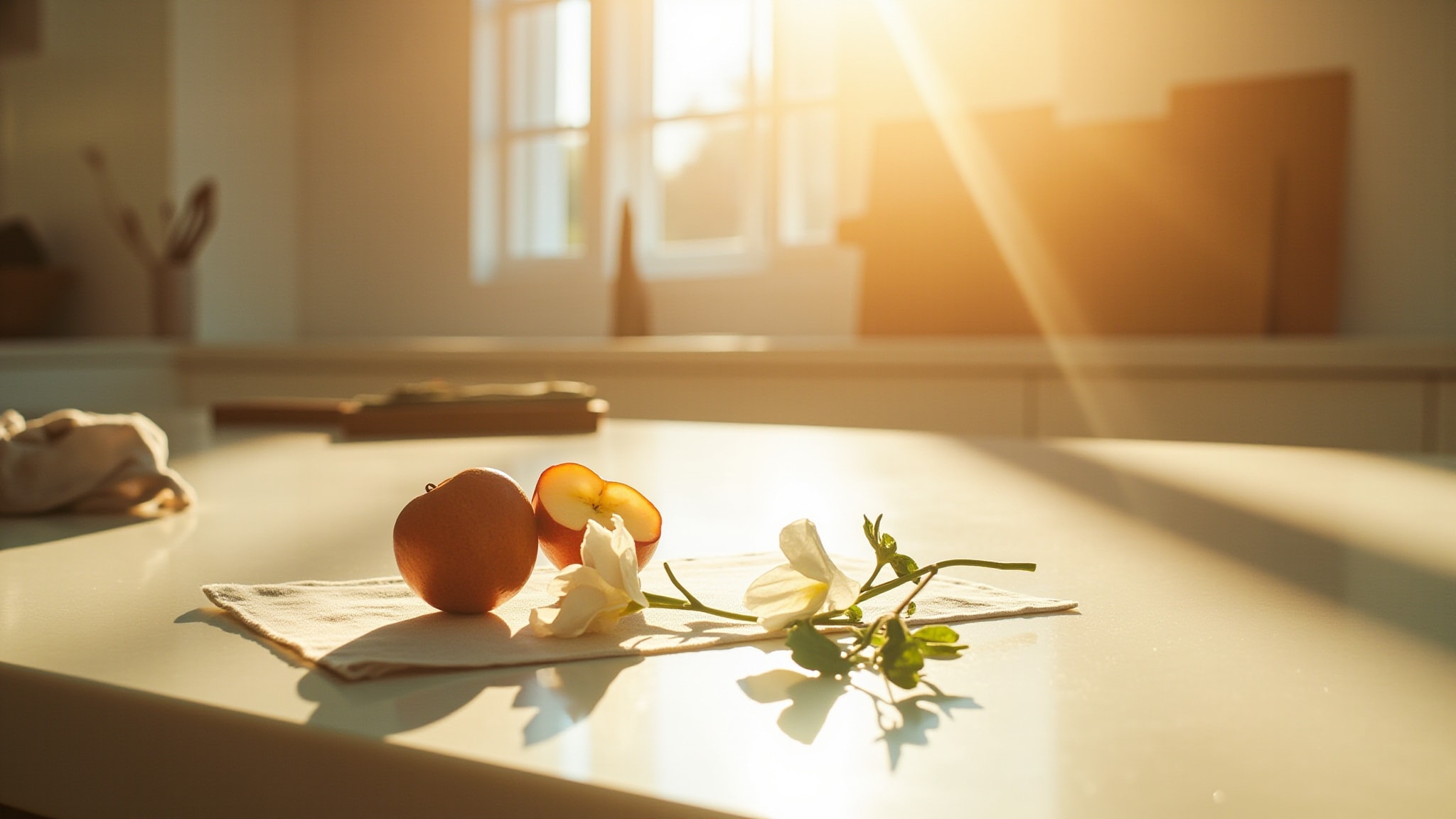
The first fifteen minutes are almost aggressive in their cheerfulness. Apple, bergamot, mandarin, orange blossom, all of it fresh and slightly sharp, like biting into cold fruit in warm air. Then the white florals muscle in. Jasmine brings volume, violet adds a powdery coolness, lily of the valley keeps things green and dewy. This is the most expressive phase, the part where the fragrance is loudest, and it holds as the dominant character for a substantial stretch of the wear. After that, the fruit recedes and the base takes over. Amber warms everything up, musk softens the edges, sandalwood gives it a creamy, slightly woody spine. The drydown is quieter and more intimate, closer to skin, and that's where De Mil Colores spends its final hours.
Cultural impact
De Mil Colores closes a short, deliberate trilogy from a singer who treated fragrance as an extension of her music. It carries the sensibility of an artist-driven project, grounded in the same creative impulse that shaped the albums it takes its name from. Wearers gravitate toward it for the brightness at the top and the warmth underneath, and it reads as a fragrance built for someone who wants to be noticed without performing. The composition rewards attention, revealing more of itself the longer it sits on skin, and it holds up as a personal statement rather than a crowd-pleaser.