The Story
Why it exists.
The beginning
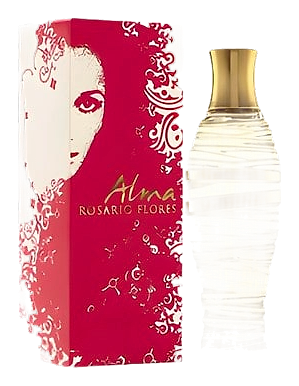
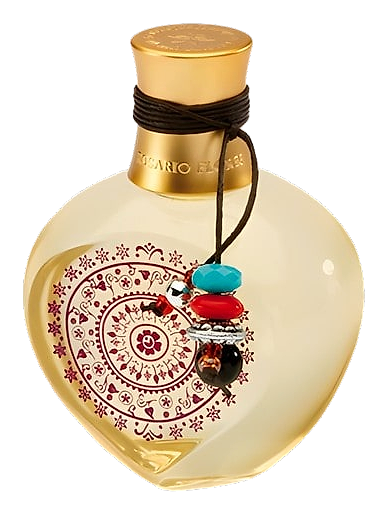
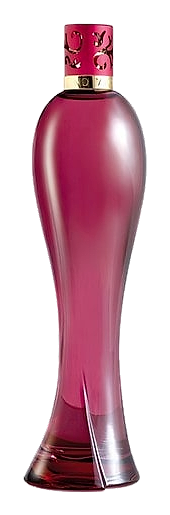
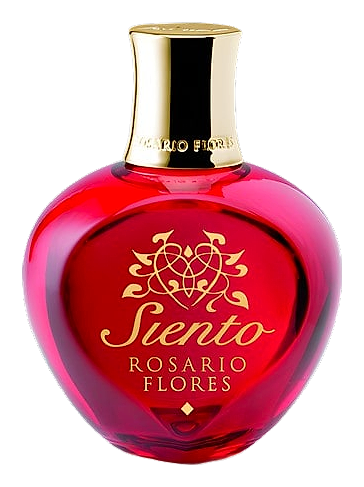
Siento arrived in 2008 as the second chapter in Rosario Flores's three-fragrance arc with the brand, following Alma (2006) and leading to De Mil Colores (2010). The name carries direct musical weight: "Siento" means "I feel" in Spanish, and the fragrance takes its title from Rosario's own 1994 studio album, a thread that connects her music to the bottle. Marketed by Puig, the release landed at Teatro Alcazar in Madrid that December, where Rosario presented it as a personal statement about the act of feeling deeply, what music demands and what fragrance can carry in a different form. The heart-shaped flacon and gold stopper anchor the visual, but the intention was always sensory. The fragrance was designed to translate her temperament into scent: passionate, expressive, unapologetically present.
What makes Siento structurally interesting is its restraint. The pyramid looks simple on paper: blackcurrant, orange, pineapple, Sicilian bergamot up top, woody notes carrying the rest. But there is almost no floral heart listed. Most fruity-florals of this era leaned on rose or jasmine to bridge the fruit and the base. Siento skips that. It lets the fruit sit directly against wood, which means the opening stays juicier for longer than you'd expect, and the transition to the base feels less like a costume change and more like a slow exhale. The woody notes do quiet structural work, pulling the brightness back into something grown and grounded rather than letting it scatter.
The evolution
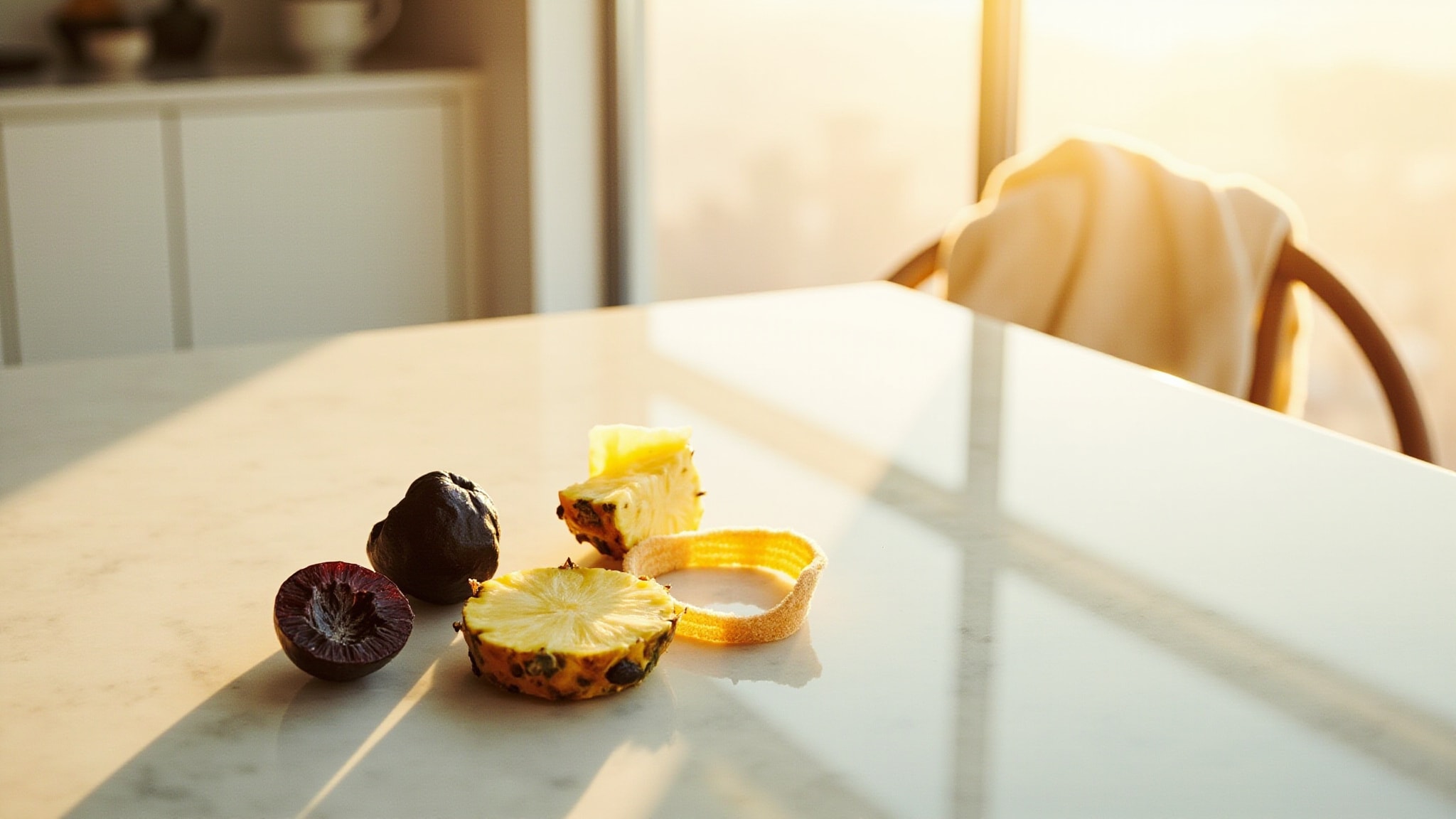
The first fifteen minutes belong entirely to fruit. Blackcurrant opens tart, almost green, then pineapple rounds it out with a sweeter, slightly tropical curve. Sicilian bergamot cuts in at the edges, citrus peel brightness that keeps the sweetness honest. Orange adds a softer, rounder zest underneath. Together it's loud, cheerful, and very specifically not a gourmand fruit, more like standing at a market stall than biting into candy. Around the half-hour mark the fruit starts to recede, not disappearing but stepping back. The woody notes come forward, but they arrive warm rather than dry, carrying a slight powderiness that softens everything. By the two-hour mark you're in the drydown, and this is where Siento reveals its character. The woods become the whole conversation: dry, gentle, a little creamy at the edges, with a faint echo of fruit still tucked behind. On fabric the next morning you get a clean woody whisper, the kind that makes you check your sleeve.
Cultural impact
Siento sits at a specific crossroads in mid-2000s perfumery: the celebrity fragrance wave that prioritized accessibility and emotional storytelling, but executed with enough sincerity to outlast its window. Rosario Flores isn't a fashion-house name marketed to a broad Western audience; she's a Spanish singer with deep flamenco and Mediterranean ballad roots, and the fragrance reflects that. Fruity, woody, a little powdery, it reads warm rather than cool, emotional rather than aloof. Compared to the mainstream fruity-florals dominating department-store counters in 2008, Siento has less sugar, more wood, and a directness that feels closer to its artist's personality than to category trends.