The Story
Why it exists.
The beginning
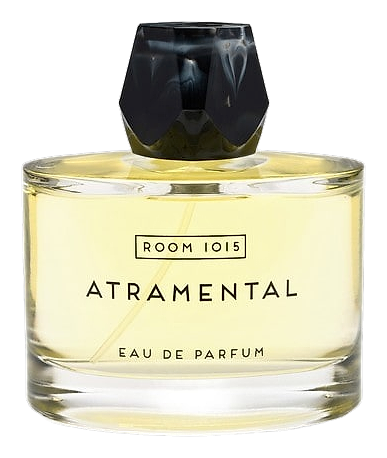
ROOM 1015 built its name on rock mythology and counterculture moments. Atramental draws from a different kind of permanence, the tattoo. Your skin as identity card. Your choices written indelibly. The fragrance translates that philosophy into scent: not the act of tattooing, but what it means to mark yourself permanently. The composition leans into the atmosphere of a tattoo parlor, with rubber, leather, and warm skin tones grounding the experience. The result is a fragrance that smells like conviction.
The structure is unusual for a niche scent. Most houses build downward from a rich base. Atramental reverses the logic. The top is citrus and aquatic, clean, almost clinical. The contrast with what follows is deliberate. Black pepper and cardamom arrive like a sting that becomes warmth. Then castoreum anchors the whole thing: animalic, close, the smell of skin that has memory. The saffron in the base doesn't sweeten, it scorches. Suederal adds that synthetic-skin note that gives the composition its modern edge. This is a fragrance that knows what it is and doesn't apologize for it.
The evolution
The opening hits bright and sharp, bergamot, lemon, aquatic notes that feel almost clinical against the skin. Within twenty minutes, the citruses recede and black pepper takes over. Not spicy in the warm sense. Spicy in the way ink feels when it's first needled in. Cardamom lingers in the middle, adding a soft warmth that keeps the sharpness from becoming harsh. The handoff to the base happens gradually. Castoreum arrives quietly at first, a leather note that builds. Then the resins. Then the saffron, which scorches rather than sweetens. By the second hour, you're wearing something that smells like worn leather and warm skin. The sillage drops to intimate, but the longevity holds. Six to eight hours on most skin types, with the final drydown reading as smoky, slightly animalic residue that doesn't fully disappear until the next shower.
Cultural impact
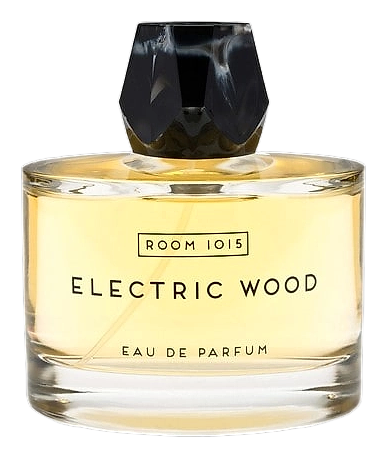
ROOM 1015 occupies a specific corner of niche perfumery, collectors who track fragrance as cultural artifact rather than luxury product. Atramental found its audience among that crowd, plus tattoo enthusiasts who recognized the smell of a parlor translated into wearable form. The brand's decision to discontinue production gave the fragrance a second life in secondary markets. The launch arrived during a wave of niche houses exploring unconventional materials and concepts, castoreum, ink, leather, the smell of skin. Atramental stood out for refusing to soften its edges.