The Story
Why it exists.
The beginning
Alberto Morillas has spent decades understanding how materials behave on skin, and Thé Fantaisie is a product of that accumulated knowledge. Released by Roger & Gallet in 2017, this fragrance continues the house's longstanding relationship with citrus while reaching into unfamiliar territory. The name, Thé Fantaisie, points to the creative liberty Morillas took with a familiar category. Rather than building another straightforward fresh fragrance, he introduced black tea as the structural spine, using it to tether the bright opening to a warmer, more contemplative drydown. The result is a composition that reads as both immediate and considered. Roger & Gallet's Parisian heritage informed the restraint here. No loud entrances. No forced complexity. Just a fragrance that trusts its materials and its wearer in equal measure.
The black tea in the heart is the compositional move that sets Thé Fantaisie apart. Tea as a fragrance material is deceptively complex. It carries tannin, a slight bitterness, and a fermented quality that shifts depending on the blend and concentration used. In this context, Morillas treats it as a mediator between the bright citrus top and the woody base, using it to slow down the fragrance's evolution without flattening its character. The pink pepper and clary sage in the heart add a subtle aromatic dimension, a quiet herbal quality that keeps the middle from feeling delicate to the point of disappearing. It's this combination of tea's textural depth with spice's lift that gives the heart its unusual balance.
The evolution
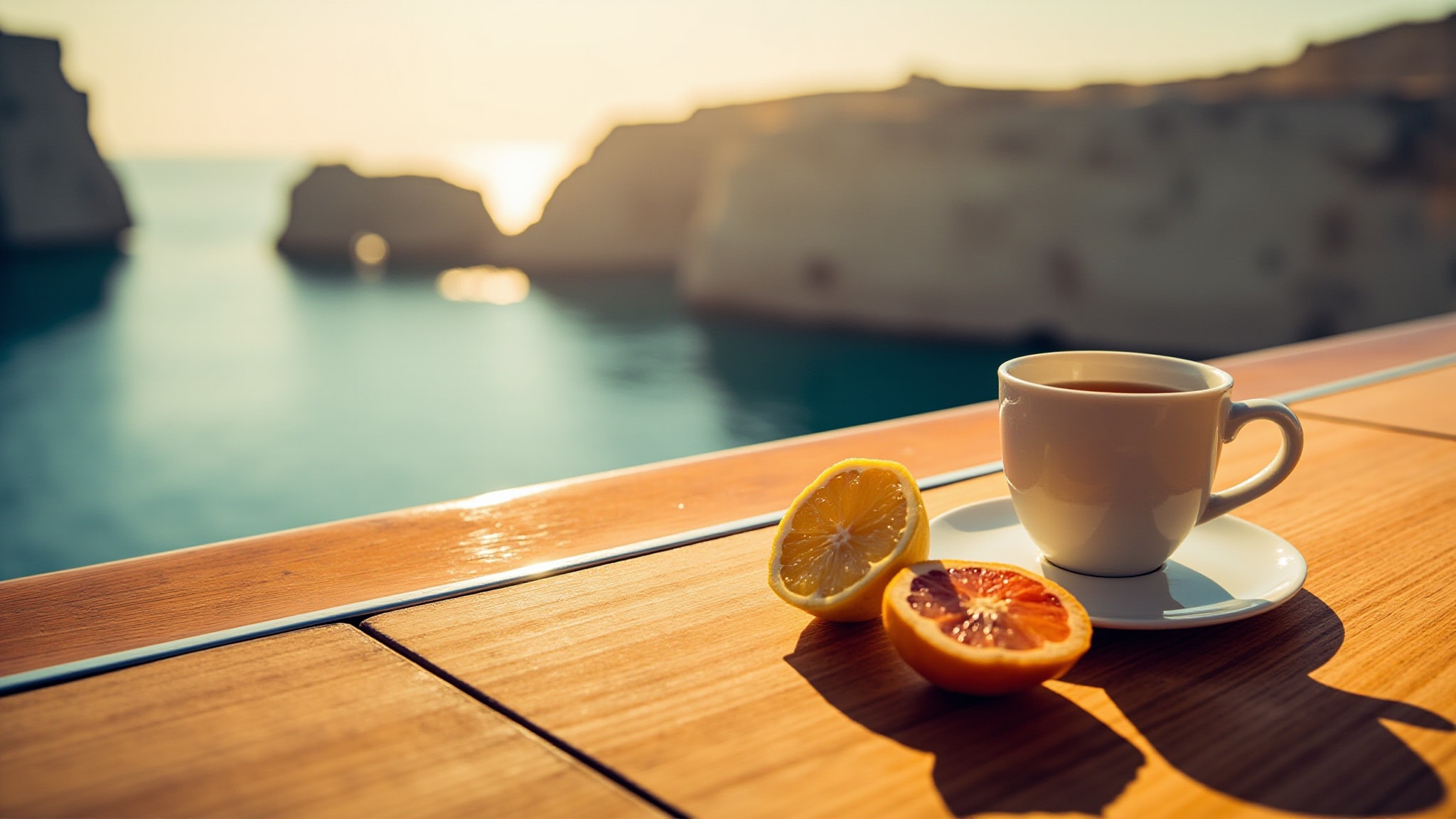
The opening arrives briskly. Lemon and mandarin orange hit first, their tartness amplified by a brief flash of cardamom that adds warmth before the citrus settles. There's a green thread running through the top, courtesy of geranium, that prevents the opening from reading as purely bright. It lasts cleanly for the first thirty minutes, then the citrus begins to recede and the black tea emerges. It doesn't burst in. It accumulates, gradually softening the edges of the opening while introducing a slightly bitter, aromatic quality that changes the fragrance's register entirely. The heart holds for two to three hours, sustained by pink pepper's delicate spice and clary sage's herbal lift. Palmarosa adds a faint floral note that keeps the mid-section from feeling austere. By hour four, the base begins to assert itself. Cedar and vetiver bring dry, woody structure while benzoin introduces a warm, vanillic resin. Australian sandalwood and copaiba add creaminess and volume, preventing the drydown from becoming too austere.
Cultural impact
Thé Fantaisie occupies an interesting position in the contemporary citrus category. While the broader fragrance market has moved toward heavier, more projecting compositions, this 2017 release by Alberto Morillas offered something quieter: a citrus fragrance built around black tea, with aromatic and woody elements that give it more complexity than its fresh-citrus classification suggests. Wearers describe it as the kind of scent that someone who knows fragrance notices, even if no one in the room comments on it. It's become a quiet staple for those who prefer their summer fragrances to age gracefully rather than announce themselves loudly.