Copaiba
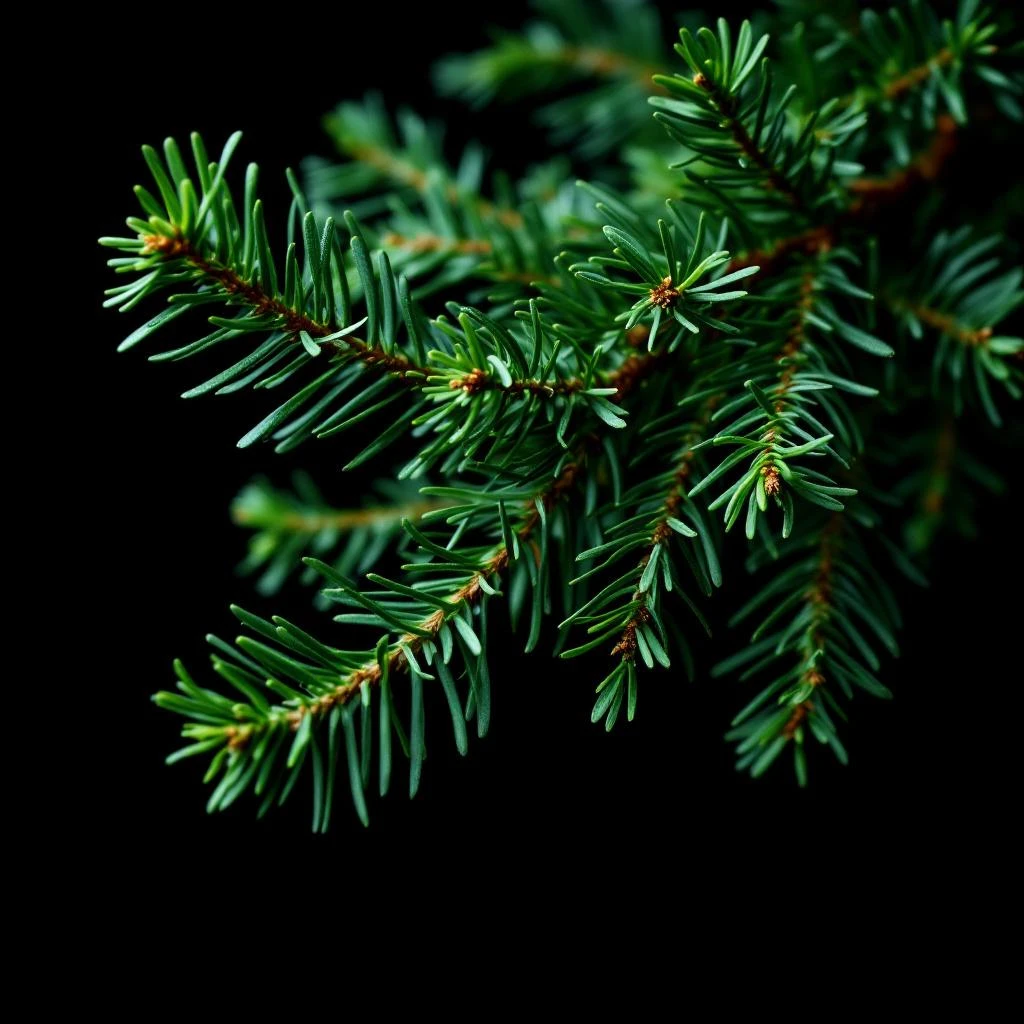
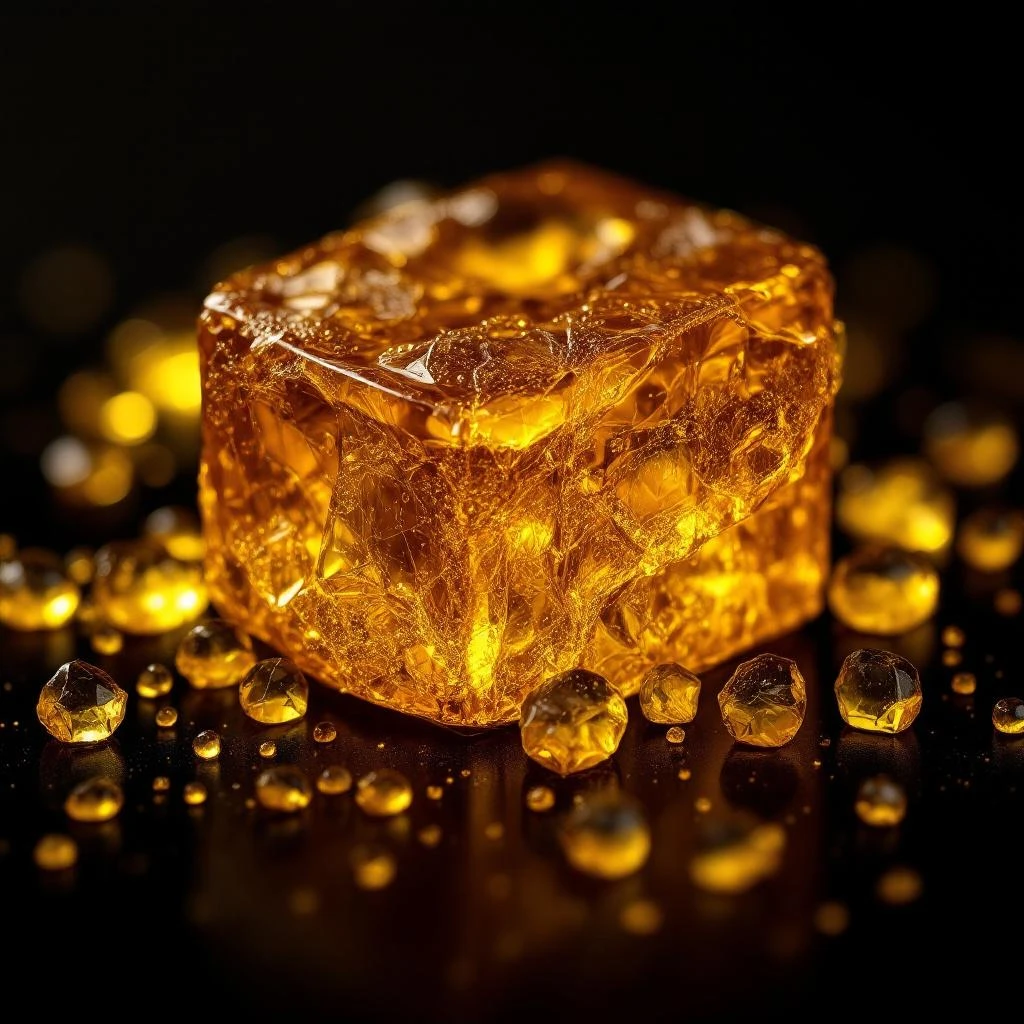
A golden oleoresin tapped from towering Amazonian trees, Copaiba balsam brings a honeyed, woody warmth to fragrance bases. Its subtle resinous character acts as a gentle fixative, anchoring compositions with a soft, balsamic depth that lingers close to the skin.
Character
How it smells
The golden resin of the Amazon, warm and quietly grounding
Copaiba trees are nicknamed 'diesel trees' because their resin can be filtered and burned as lamp oil or even used as engine fuel, a property discovered by indigenous Amazonian communities centuries ago.







Origin
Brazil
The story of Copaiba begins deep in the Amazon, where indigenous communities have treasured this golden resin for millennia. Long before European naturalists catalogued the Copaifera genus, native healers were using the balsam to treat wounds, soothe inflammation, and seal the umbilical stumps of newborns. The Tupi and other indigenous peoples called it 'copaiba,' a name that would eventually enter global commerce. When Portuguese explorers penetrated the Brazilian interior in the sixteenth century, they encountered this remarkable substance and quickly recognized its commercial potential. By the eighteenth century, barrels of Copaiba oil were flowing into European apothecaries, prized for its purported medicinal virtues and its warm, woody aroma.
In nineteenth-century European and North American medicine, Copaiba enjoyed considerable renown as a treatment for various ailments, particularly those of a respiratory or inflammatory nature. The resin was listed in major pharmacopoeias and prescribed by physicians on both sides of the Atlantic. While its medicinal use declined with the development of modern pharmaceuticals, Copaiba found a lasting home in perfumery. The resin's subtle, honeyed warmth proved ideal as a base note fixative, and its sustainable harvesting model appealed to twentieth-century perfumers increasingly concerned with ethical sourcing. Today, Copaiba remains a quiet workhorse of the fragrance industry, prized for its environmental credentials as much as its olfactory contribution.
Wears it best
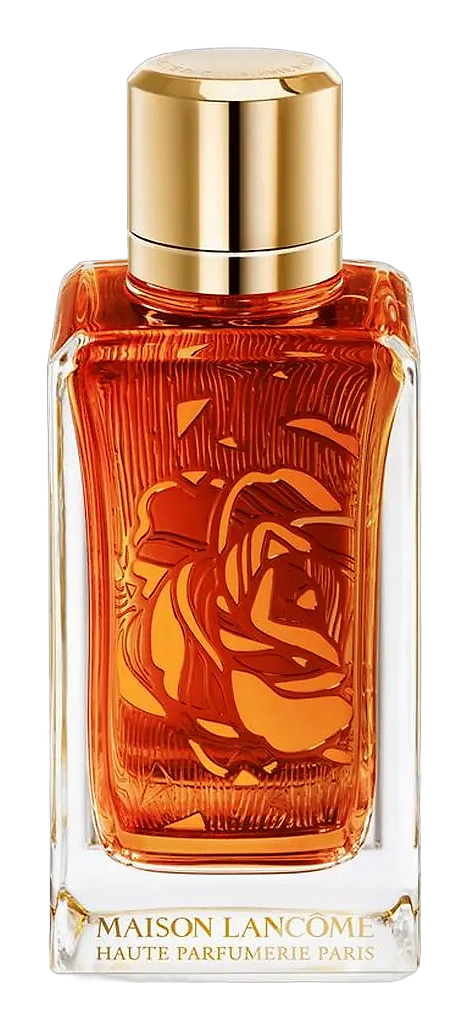
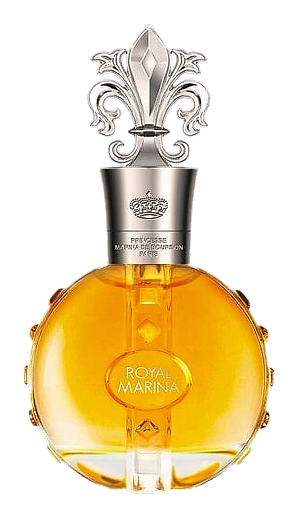
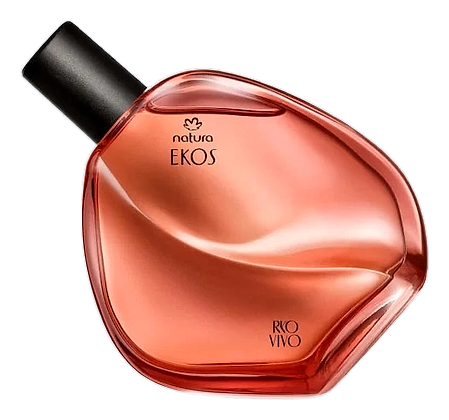
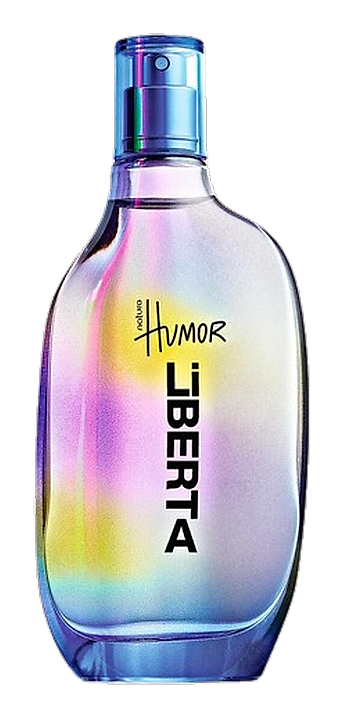
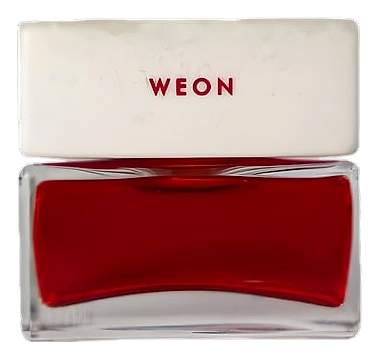
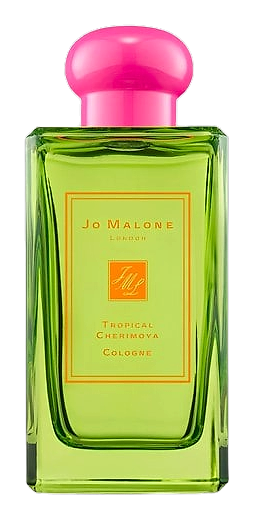
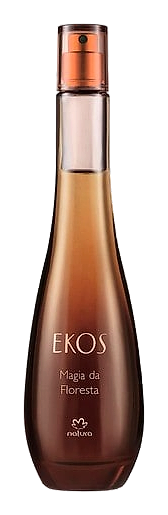
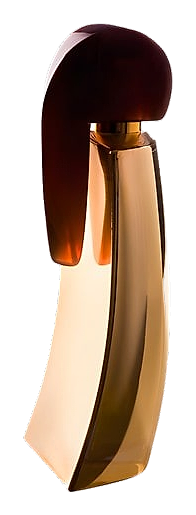
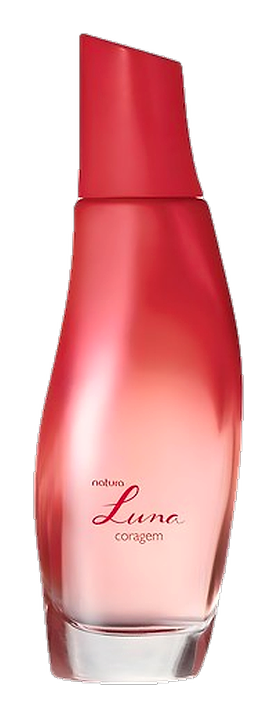
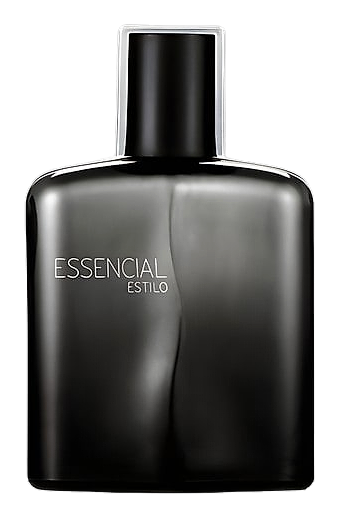
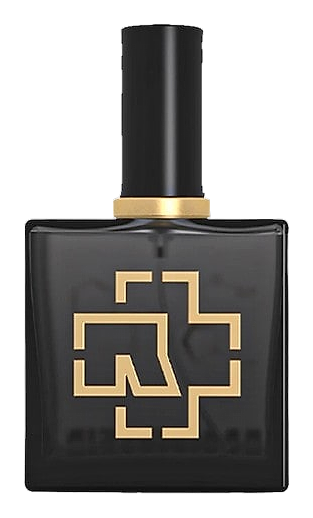
Fragrances featuring Copaiba

Brands
Brands known for Copaiba
Good to know
Questions, answered
The essentials on Copaiba in perfumery: how it smells, where it comes from, and how it behaves on skin.
What does Copaiba smell like in perfume?
Copaiba balsam presents a subtle, honeyed warmth with woody, resinous, and slightly peppery undertones. Its aroma is often described as glass-like or transparent, gentle and grounding rather than bold. The scent anchors base notes with a soft balsamic quality that blends seamlessly with woods, ambers, and spice accords.
Why is Copaiba used in perfumery?
Copaiba serves as a base note and natural fixative in fragrance compositions. Its high sesquiterpene content, particularly beta-caryophyllene, helps slow the evaporation of more volatile top and heart notes, extending a perfume's longevity on skin. The resin's subtle character adds depth without overpowering other ingredients.
Is Copaiba in perfume natural or synthetic?
Most Copaiba used in fine perfumery is natural, obtained through steam distillation of the raw oleoresin tapped from wild Copaifera trees in the Amazon. The natural oil carries a complex profile of over 50 compounds. Synthetic alternatives exist but are uncommon, as the sustainable wild harvesting of natural Copaiba remains cost-effective and environmentally responsible.
What famous perfumes contain Copaiba?
Copaiba appears as a supporting base note in numerous oriental, woody, and amber fragrances, though it rarely takes center stage. It contributes to the resinous warmth in compositions featuring balsamic accords. The note is more common in niche and artisanal perfumery than in mainstream commercial releases.
Is Copaiba a top note, heart note, or base note?
Copaiba is unequivocally a base note. Its heavy molecular weight and resinous nature mean it evaporates slowly, providing the foundation upon which a fragrance structure rests. In a typical perfume pyramid, Copaiba emerges in the drydown, offering its warm, woody-balsamic character hours after application.
What notes pair well with Copaiba in perfume?
Copaiba harmonizes beautifully with other resins like benzoin, Peru balsam, and frankincense. It complements warm woods such as sandalwood and cedar, enhances amber accords, and provides a smooth base for spice notes including cinnamon and clove. The resin also works well with vanilla, tonka bean, and tobacco notes.
Where does Copaiba come from?
Copaiba balsam originates from the Amazon rainforest, primarily Brazil, where Copaifera trees grow wild across millions of hectares. The greatest biodiversity of Copaifera species occurs in the Brazilian Amazon, particularly in the states of Para and Amazonas. The resin has been sustainably harvested by indigenous and traditional communities for centuries.
Is Copaiba used in men's or women's fragrances?
Copaiba is gender-neutral and appears in both men's and women's fragrances. Its warm, resinous character suits masculine woody and oriental compositions particularly well, while its subtle sweetness also complements feminine amber and balsamic scents. The note transcends traditional gender categorizations in modern niche perfumery.