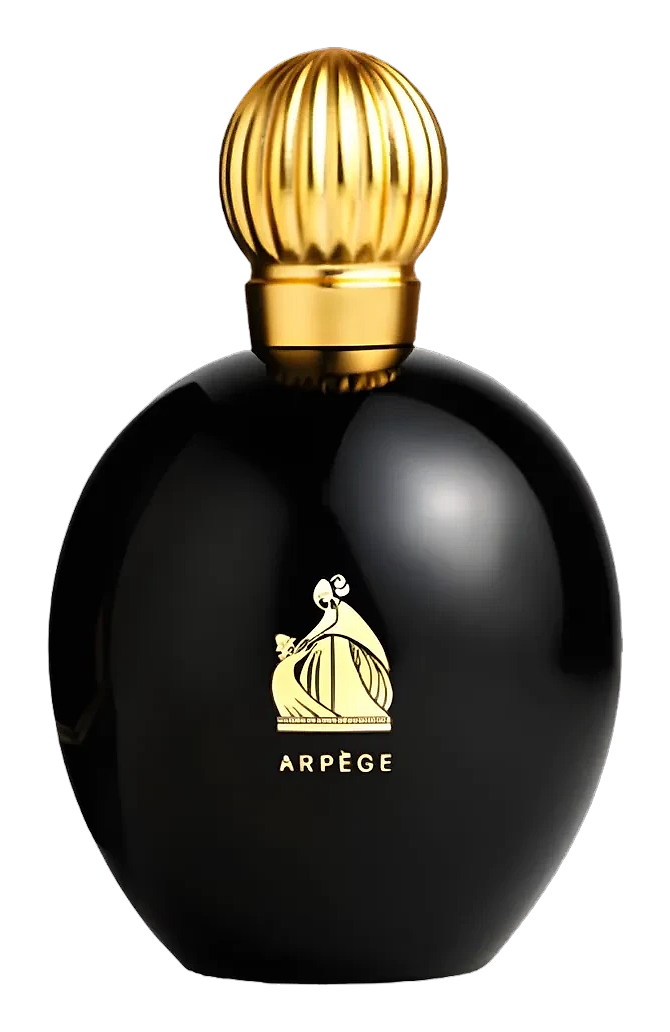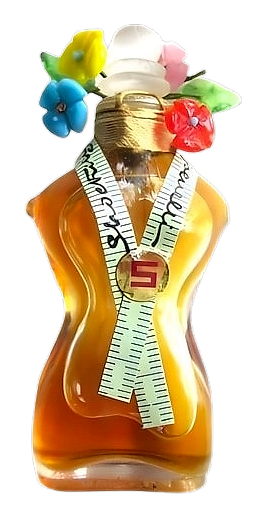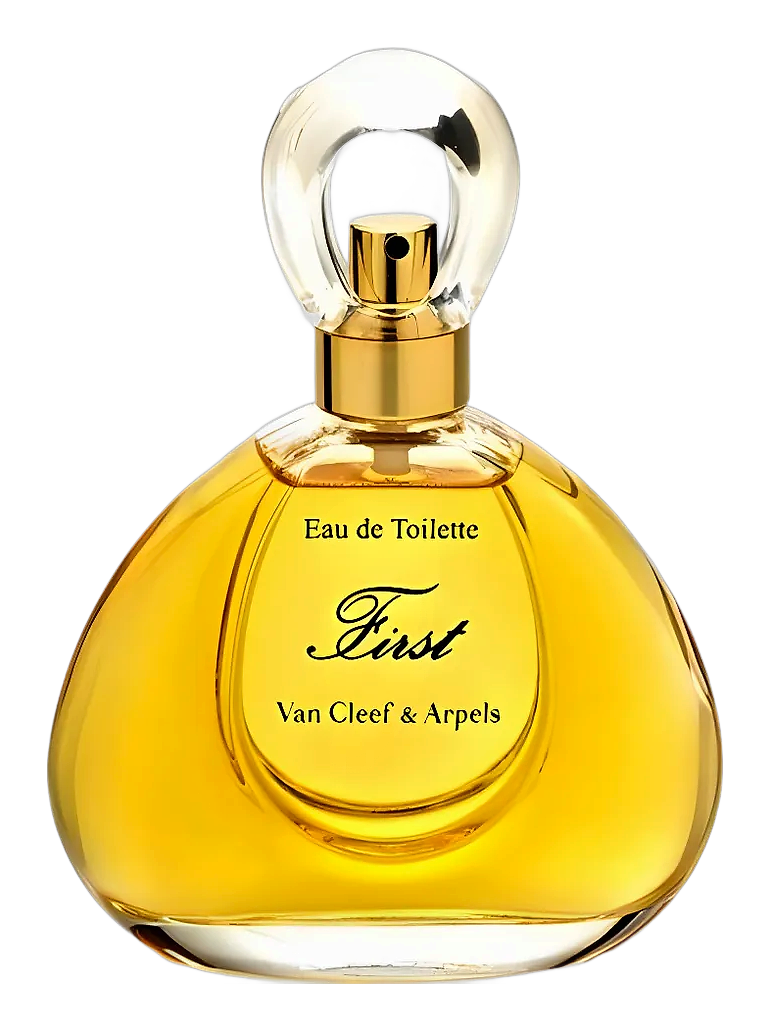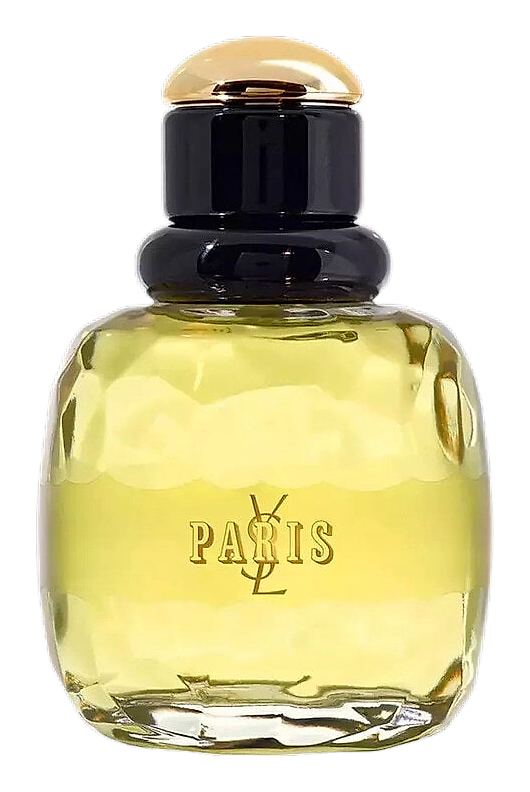
The Story
Why it exists.
The beginning
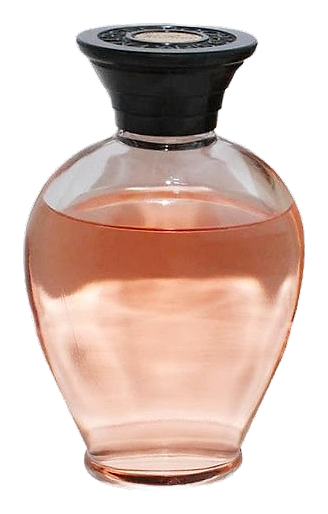
Edmond Roudnitska built La Rose in 1949 with a counter-intuitive conviction: the best roses aren't the ones that announce themselves. While contemporaries were layering heavy Oriental bases beneath single-note roses, he chose the tea rose, delicate, almost fleeting, and built everything else around protecting that quality. The apricot wasn't sweetness for its own sake; it was a structural choice, a way to keep the green notes from sharpening into something harsh and the rose from becoming something you smell from across the room. This was rose as intimacy, not statement.
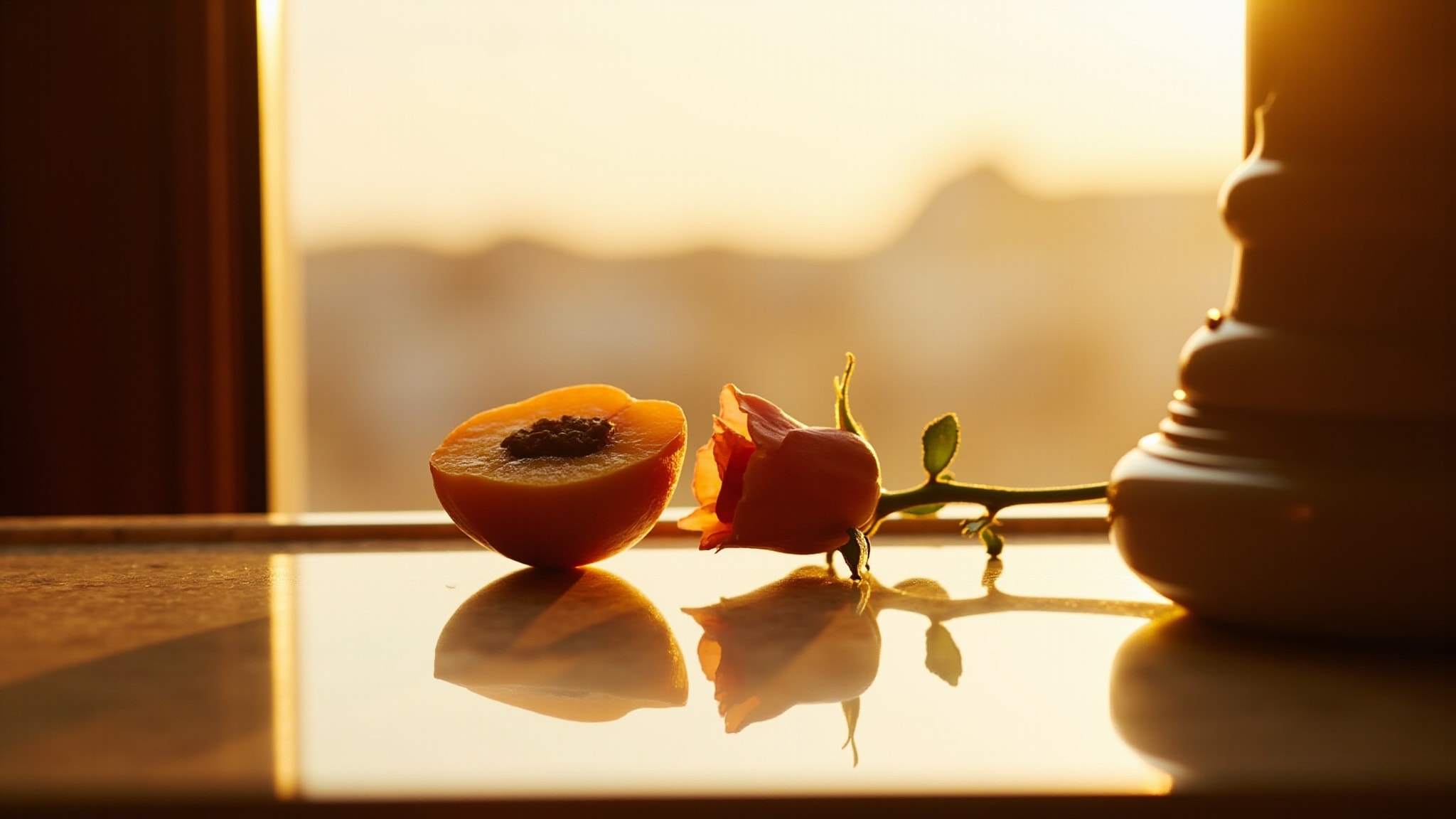
What makes the structure unusual is the ratio of heart notes to everything else. Five heart notes, Bulgarian rose, tea rose, plum, sweet pea, lily of the valley, where most compositions settle for one or two rose materials. That abundance isn't about volume; it's about harmony. The lily of the valley acts as a bridge, connecting the green opening to the warmer base without asserting itself as a separate scent. It's present but selfless. The apricot in the top layer is another quiet decision, it sweetens without tipping into gourmand territory, keeping the composition in a register that's fresh rather than edible.
The evolution
The opening announces itself immediately, bergamot and green notes with a flicker of geranium that cuts before it softens. The apricot arrives within minutes, tempering the sharpness without replacing it. Then the heart: the Bulgarian rose appears, but not for long. Within the first hour, the composition hands off to the tea rose, the quieter, more personal of the two. The drydown begins around the two-hour mark as sandalwood and vanilla emerge, with amber lending warmth and a subtle spiciness that keeps things interesting. What surprises is how the apricot note persists into the late drydown, six or seven hours in, when oakmoss finally reveals itself as the structural backbone it always was. The final hours are intimate, mossy, close to the skin.
Cultural impact
La Rose occupies an interesting position among classic fragrances, a rose that chose restraint when the genre defaulted to statement. Roudnitska, who also created Diorissimo and Forever and Ever, brought a structural intelligence to this composition that distinguished it from the heavy Oriental roses of its era. The fragrance found its audience among women who wanted the idea of rose without the obligation of it. Its discontinuation decades ago has only sharpened its reputation among those who've encountered it; the current scarcity functions as a kind of proof.