
The Story
Why it exists.
The beginning
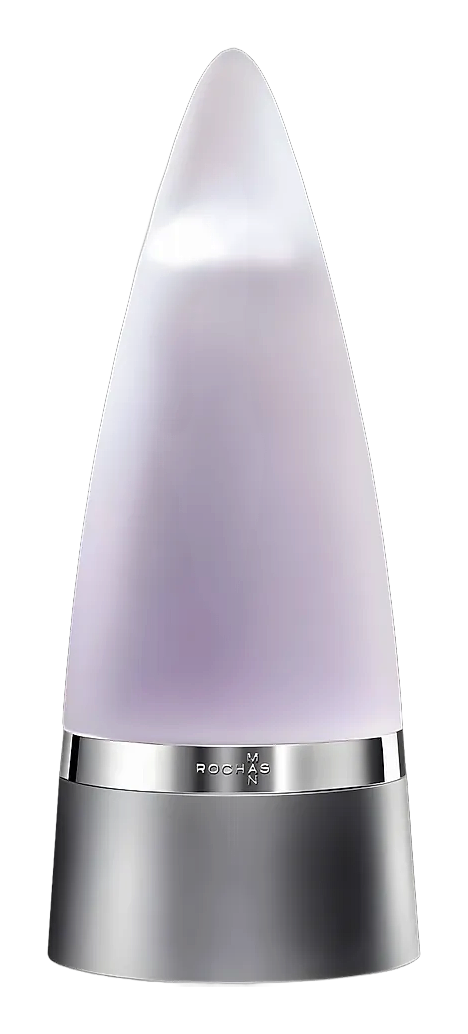
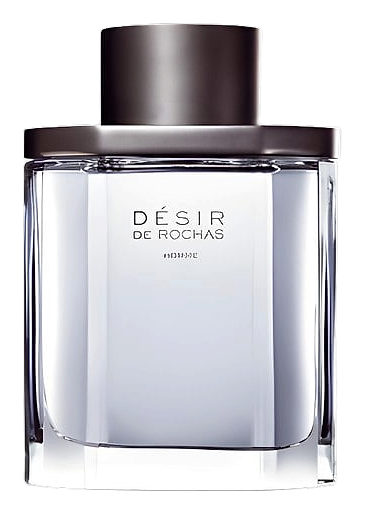
Desir Pour Homme landed in 2007, a Rochas men's release from Quest International. It arrived at a moment when men's fragrance had begun embracing richer, sweeter territory, and Desir leaned directly into it. The juice itself is a study in contrast: anise and cacao sharing the same accord, cardamom threading warmth through the middle, and cedar grounding the base with its quiet, dry wood. On first spray, the anise-grapefruit-bitter orange top hits sharp and cooling, almost menthol-bright. Within the first hour, the composition opens up into a spiced cacao-cardamom heart, roasted and unsweetened, with vanilla and cashmere wood softening the edges. The final hours belong to cedar and a low hum of vanilla, close to skin, faint and warm.
What makes Desir Pour Homme unusual is the contradiction at its center: anise and cacao in the same composition. Anise brings licorice's cool sweetness, almost cold and aromatic. Cacao is bitter, dry, and roasted, a gourmand note without sugar. The pairing produces a dry-sweet tension, neither dessert nor cologne. Add cardamom's warmth and cedar's dryness, and the result reads more like spiced bark than edible chocolate. The cardamom works like a hinge between the cold anise top and the roasted cacao heart, its spicy, almost peppery quality pulling both notes toward a shared center.
The evolution
A 2007 masculine that opens on a sharp anise-grapefruit-bitter orange trio, settles into a spiced cacao-cardamom heart within the first hour, and finishes on a quiet base of vanilla, cashmere wood, and cedar. The wear is restrained rather than loud. The anise note recedes as the hours pass, leaving the dry cacao thread to carry the composition into its final hours, where vanilla and cashmere wood take over with a low, soft warmth. It is a spiced gourmand masculine built for cool weather, with a polarizing opening that rewards patience. The opening can feel almost menthol-bright, almost numbing, and it takes time for the roasted, dry heart to settle in and reveal itself. Once it does, the fragrance settles into a spiced, dark space that feels far removed from the initial blast of anise and citrus.
Cultural impact
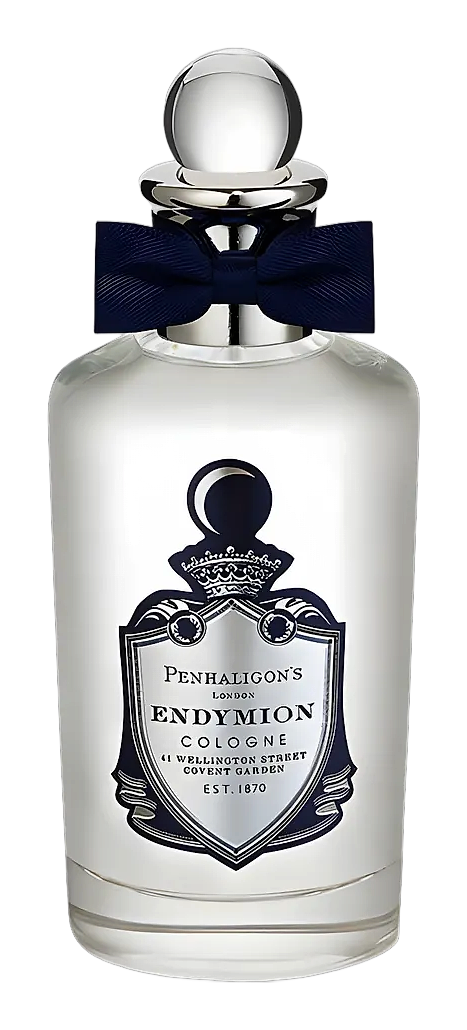
Desir Pour Homme's closest reference point in popular cologne is Penhaligon's Endymion, which shares the cocoa-cedar architecture, though Desir leans drier and more anise-forward. Where Endymion reads like a spiced, warm gourmand with rum-and-cocoa comfort, Desir Pour Homme goes darker, drier, more aromatic, anchored by the cold sweetness of anise rather than the warmer spiced booziness of Endymion's brandy-and-cocoa heart. Both fragrances occupy similar territory in men's perfumery, using cacao as a structural note paired with cedar as a grounding wood.