
The Story
Why it exists.
The beginning
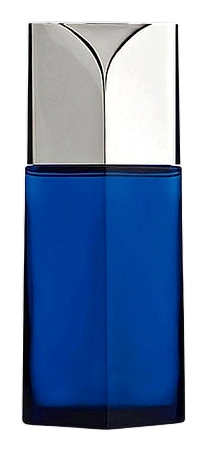
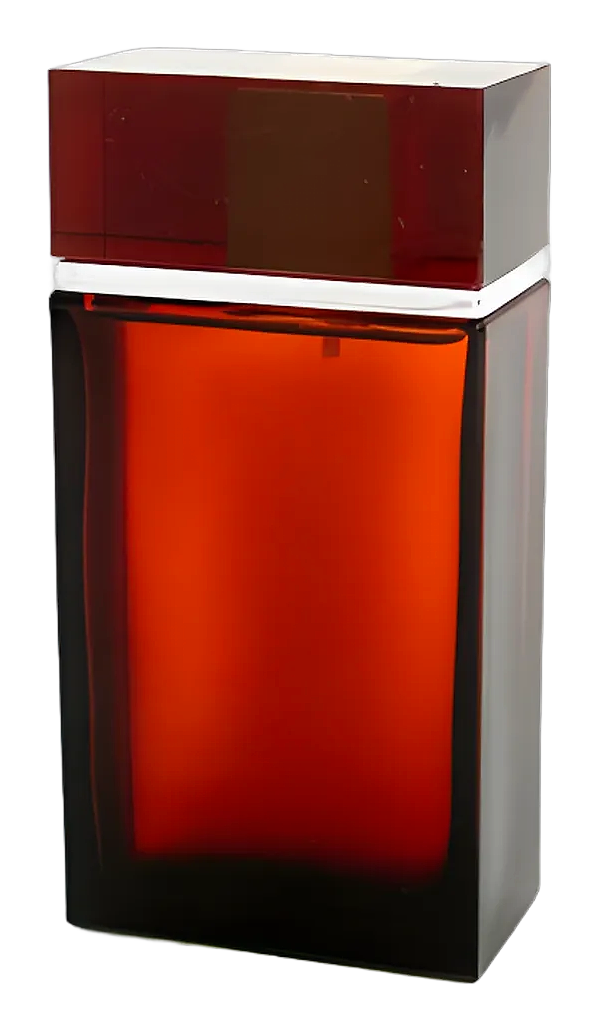
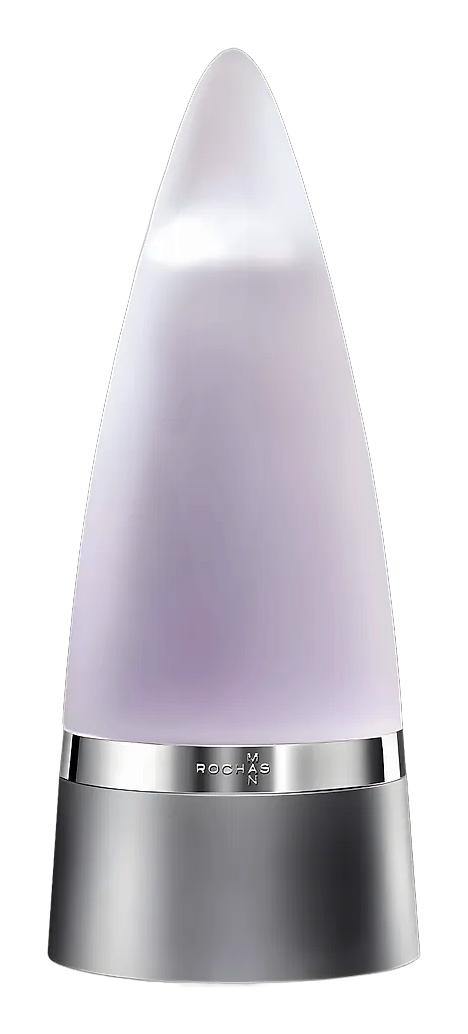
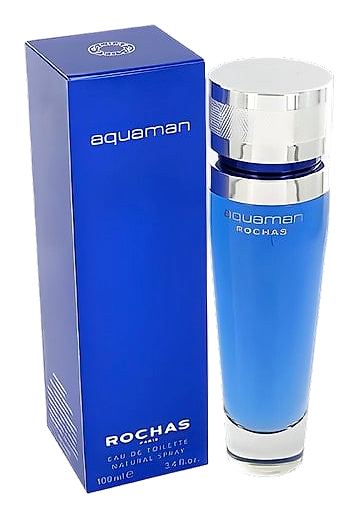
Jacques Cavallier-Belletrud designed Aquaman in 2001 with a single ambition: make the ocean feel like a decision. Not a trend. Not a safe aquatic. The name itself was the brief, maritime cool, deep and distinctly male. Top notes of cypress, eucalyptus, and grapefruit opened the composition. Heart notes of coriander seed, clary sage, and geranium leaf followed. Cedar, cardamom, and amber anchored the base. Cavallier-Belletrud structured the fragrance as a vertical climb, evergreen sharpness giving way to warmth, a forest floor materializing as the citrus faded into something deeper.
What makes Aquaman structurally interesting is its refusal of the typical aquatic curve. Where most men's fragrances of the early 2000s softened into warm ozonic blanks, this one sharpened. The eucalyptus isn't decoration, it's a cold shoulder. The cypress grounds it in something evergreen, not oceanic. The drydown rewards patience: cedar dominates, cardamom adds quiet spice, amber holds close to the skin for hours. The composition earns its name by making you feel the depth, not just smell the water.
The evolution
The opening hits immediately, eucalyptus and grapefruit arrive together, cold and sharp, with a green bite from the cypress underneath. It's bracing without aggression. The heart cools further as coriander and clary sage arrive, the geranium leaf adding an herbal dimension that deepens the green without adding sweetness. This is the fragrance's quietest phase, composed, slightly medicinal, definitely male. The drydown shifts into warmth. Cedar takes over, cardamom adds a slow spice, amber wraps everything in something close and lasting. Six to eight hours on most skin. The sillage stays intimate, someone beside you will notice, but not across the room. That's the trade. You wear it for yourself.
Cultural impact
Released in 2001, Aquaman arrived during a period when men's fragrance leaned heavily into warm aquatics, soft, safe, ozonic. The Slovenian swimmer Alen Koblica fronted the campaign, photographed by Kal Yee. The advertising was direct: a man in water, the fragrance named for someone who belongs there. Cavallier-Belletrud made a deliberate choice here, leaning into green, camphor-forward materials instead of the expected warm aquatic conventions.
The House
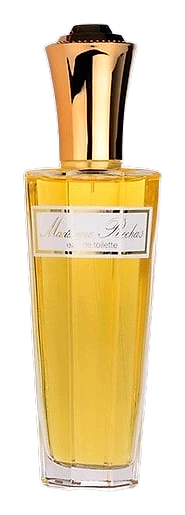
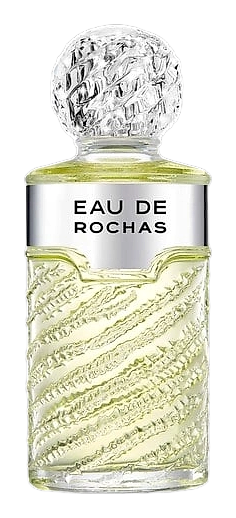
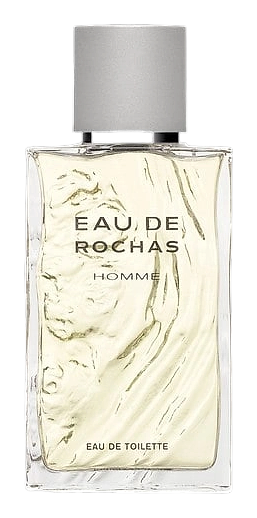
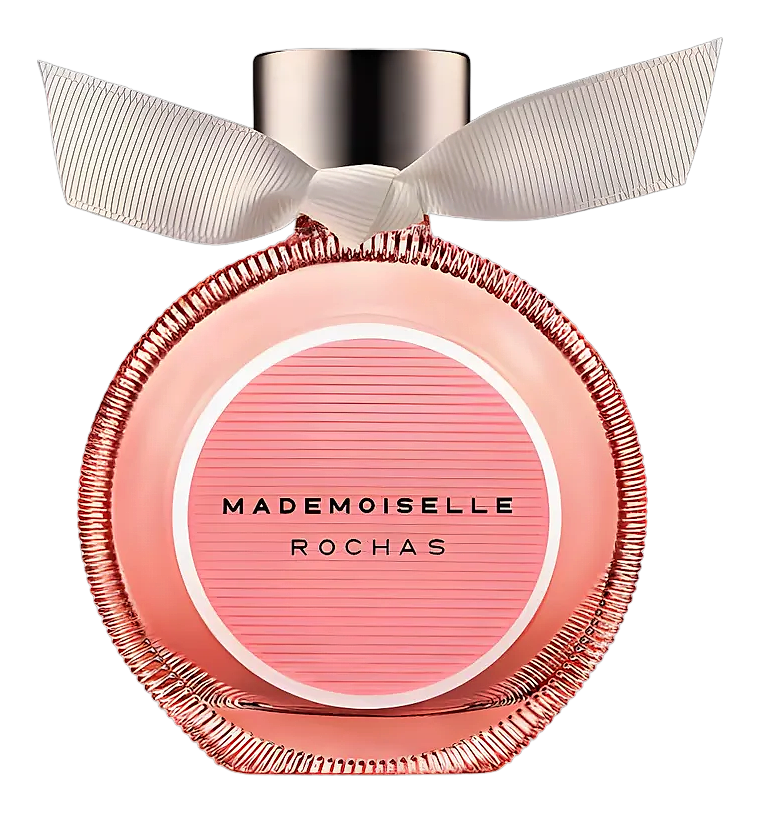
RochasRochas is a French perfume and fashion house established in Paris in 1925 by couturier Marcel Rochas. The house began as a haute couture fashion brand before transitioning into a fragrance powerhouse under the leadership of Hélène Rochas following her husband's death in 1955. Today, Rochas maintains both a fashion division under creative director Alessandro Vigilante and a fragrance collection of 84 perfumes, managed by in-house perfumer Jean-Michel Duriez since 2008. The house is currently owned by Procter & Gamble, which acquired Rochas in 2003. Notable fragrances include Femme (1943), Eau de Rochas (1970), Mademoiselle Rochas (2010), Girl (2015), and Mademoiselle Rochas Couture (2023). The house continues to reinterpret its heritage of Parisian elegance and feminine audacity across both fashion and fragrance.
The Creator
Jacques Cavallier-BelletrudCavallier-Belletrud commands citrus and marine accords with particular authority, finding unexpected freshness in materials others use decoratively. He applies a rigorous naturalism to masculine and genderless compositions, favoring transparency and restraint when a brief allows.