The Story
Why it exists.
The beginning
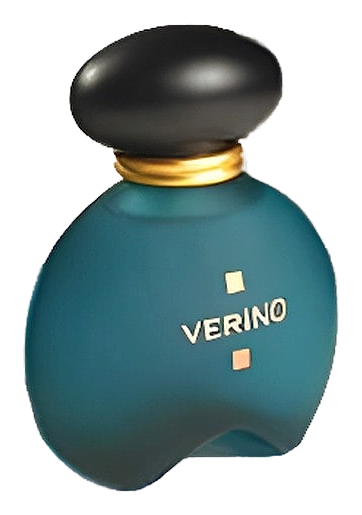
Roberto Verino's first fragrance arrived in 1992. The brief was clear: create a perfume that connects with inner light, conveys authenticity and modern sophistication. Not a statement fragrance. A quiet companion. Working with perfumer Gérard Anthony, the house translated its Mediterranean sensibility into scent, elegance that enhances rather than dominates, presence without performance. White florals anchored the composition, softened by warm woods, shaped by Spanish restraint into something the wearer could make their own.
The tension in Verino lives between brightness and warmth. The citrus opening arrives crisp, almost austere, galbanum adds a green bite that keeps the bergamot from feeling ordinary. Then the florals bloom, and the character shifts entirely. Jasmine, ylang-ylang, lily, they're rich, sweet, almost creamy. But the sandalwood and vanilla in the base prevent sweetness from winning. The composition breathes. It doesn't project so much as surround. The real choice isn't about liking florals, it's about whether you want a fragrance that announces itself or one that stays.
The evolution
The opening hits sharp and clean. Mandarin orange, bergamot, a flicker of green from the galbanum. Thirty minutes, maybe forty-five, then the citrus recedes. The florals take over, jasmine first, ylang-ylang and lily warming in behind. Orange blossom threads through, adding a bitter edge that keeps the heart from going fully soft. The heart holds for a couple of hours, luminous and warm. Then the drydown arrives: sandalwood, vanilla, amber, patchouli. The vanilla reads powdery at first, then settles into something skin-like. The sandalwood keeps it grounded. Six to eight hours on most skin, intimate at the end, something left on a collar, a sleeve, the inside of a wrist.
Cultural impact
Verino found its audience among women who wanted elegance without announcement. The white floral heart and warm woody-vanilla base read as classic rather than dated, which explains its staying power despite modest marketing. The moderate sillage suits professional environments, noticeable to those nearby, invisible to those across the room. Seasonal versatility contributes to its appeal: the bright citrus opening handles transitional weather, the warm base performs in cooler months. It's the kind of fragrance people return to, not because it's revolutionary, but because it works.