The Story
Why it exists.
The beginning
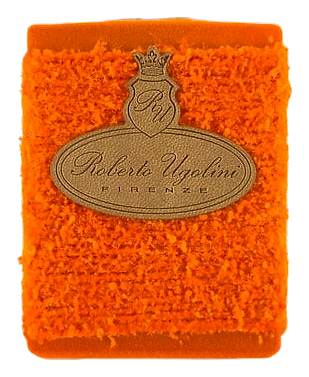
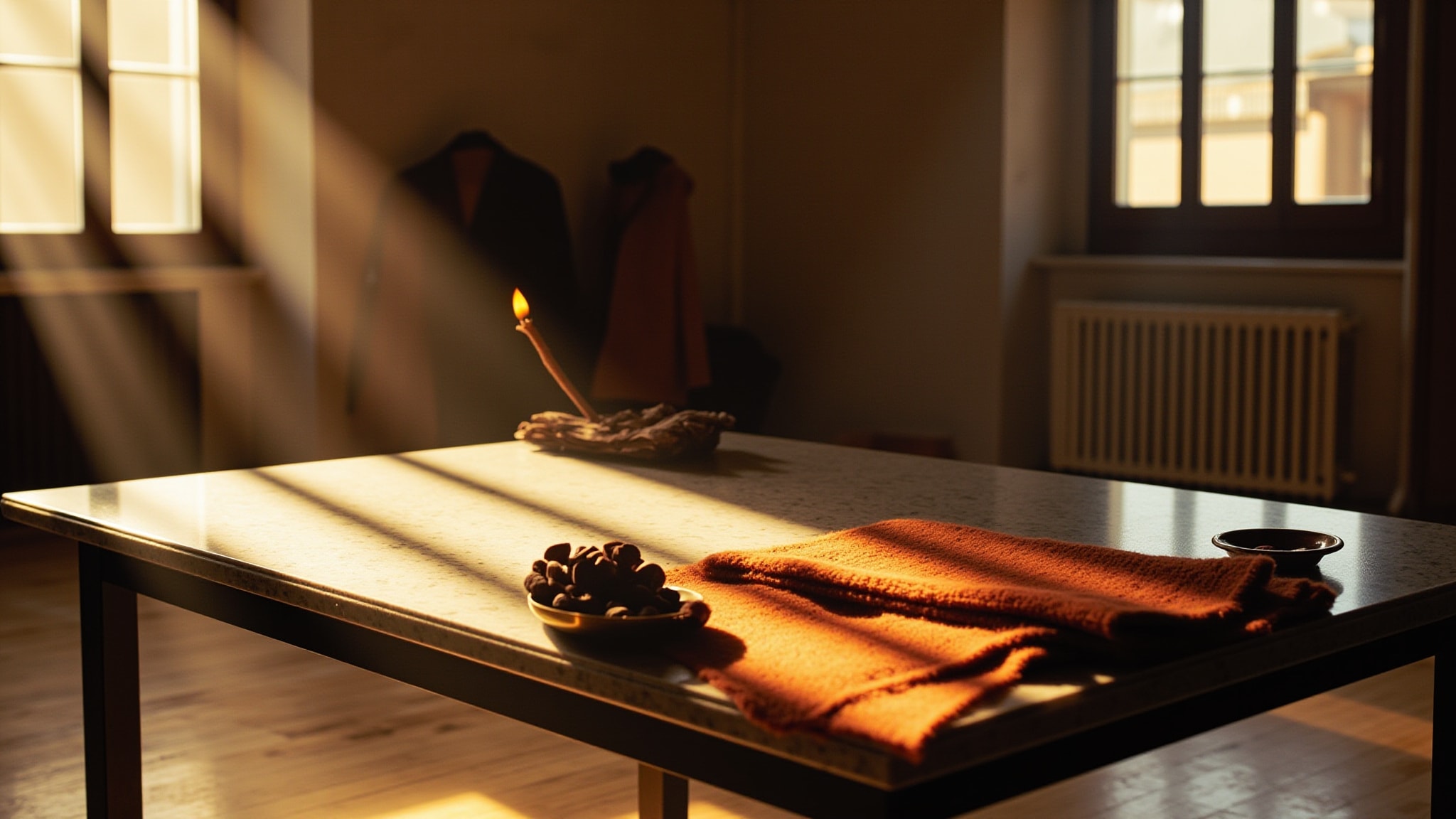
Casentino takes its name from a famous fabric of the Tuscan Casentino region, intense, distinctive, and unmistakably warm. Roberto Ugolini built this fragrance as an olfactory equivalent: something meant to be lived in, not looked at. The inspiration is textural, drawing on the weight and presence of a cloth that has long carried the identity of its place. The composition translates that fabric logic into scent, prioritizing materials that feel dense, grounded, and present rather than fleeting or decorative. Rather than chasing brightness or novelty, Casentino settles into a register of warmth and permanence. It reads as an object with substance, a composition built around the kind of raw, honest materials that reward time and attention.
What makes Casentino structurally unusual is the weight carried by its middle phase. The fragrance builds its architecture around frankincense, myrrh, and oud, a trio threaded through with sticky-sweet date and rasped saffron. That central incense column gives Casentino its particular gravity, holding the composition together with a resinous backbone that feels ancient and unhurried. The saffron adds a leathery bitterness, slightly metallic and warm, while the dates introduce a dark, almost burnt caramel sweetness that softens the sharper resin edges.
The evolution
The opening lands fast and unapologetic: cinnamon, cardamom, ginger, and pink pepper coiling into an immediate rush of warm, dry heat. The cardamom brings a cool, almost mentholated lift against the sweeter, redder heat of cinnamon, while ginger cuts through with a sharper, more liquefied brightness. Pink pepper adds a flickering, slightly metallic shimmer at the edges, like static before a storm. That burst eventually softens, and the spices begin to cool while something deeper starts to rise. The frankincense shows up next, dusty and slightly bitter, pulling the saffron and leather up with it. Dates melt into the mix, adding a dark caramel sweetness that softens the incense's sharper edges. By the middle hours, Casentino has settled into a resin-woody body that reads as one continuous gesture. The drydown is where patience pays off.
Cultural impact
Casentino sits within a particular register of niche perfumery where compositions are built around the materials themselves rather than around fleeting trends. On fragrance communities like Parfumo, Casentino has been listed as similar to compositions like Oud Cadenza and Cuir Infrarouge from Maison Crivelli, both of which work with leather and oud in dense, layered constructions. The shared territory is one of texture and density, fragrances that prioritize how materials feel and age over how loudly they announce themselves. For wearers drawn to Casentino, the appeal lies in that density.