The Story
Why it exists.
The beginning
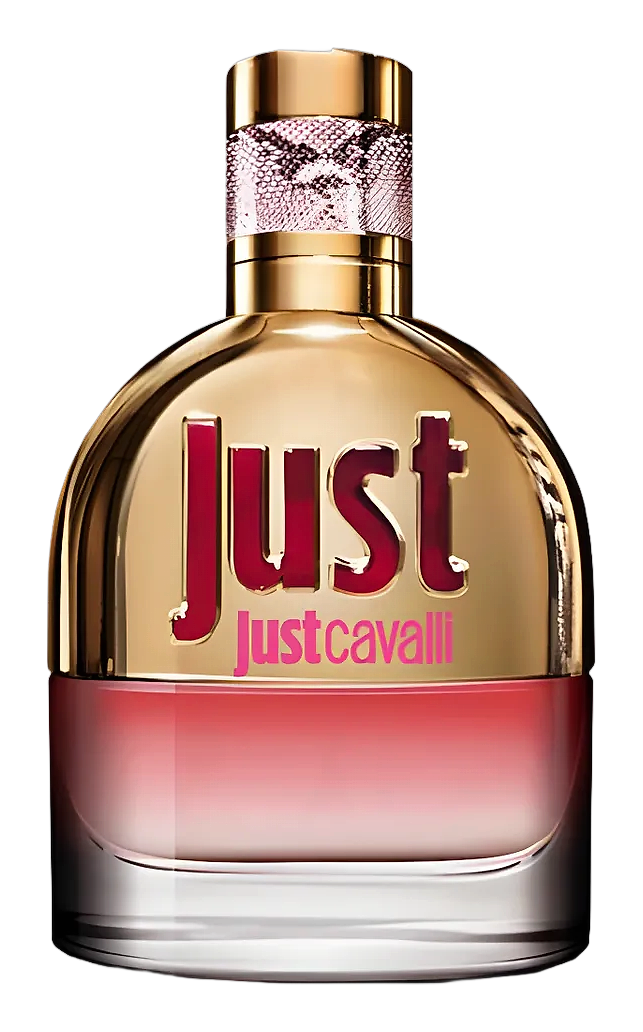
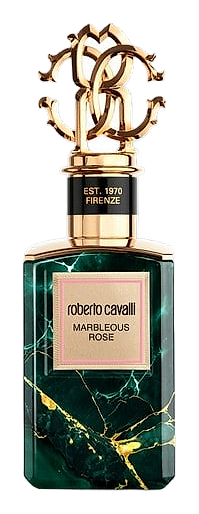
Marbleous Rose arrived in 2025 as part of Roberto Cavalli's Marbleous Collection, the Italian house's recent venture into gold-finned bottles and high-concentration extraits. The name suggests stone, permanence, something architectural, and the composition follows suit: a floral-woody structure built around two roses rather than one. Rose de Mai and Damask rose anchor the heart, while citrus-aromatic materials up top and a dense resinous base keep things from drifting into pretty territory. It's part of the brand's ongoing push toward richer, more sculpted scents, a direction that's marked the line since the mid-2010s with releases like Divine Oud and Golden Amber. The house has long treated fragrance as another textile, and Marbleous Rose feels cut from the same bolt as a sculpted jacket: structured, dramatic, designed to move through a room rather than decorate it.
What makes the composition unusual is the double-rose construction paired with an unusually deep base. Most rose-dominant fragrances lean powdery or jammy. Marbleous Rose goes woody-resinous instead, pulling in cypriol and guaiac wood alongside patchouli and vetiver. That base is six materials deep, which gives the floral heart a grounded, almost mineral quality. The davana in the middle adds an herbal-licorice edge that most rose fragrances skip, and clove brings a warmth that reads more like dried bark than kitchen spice. The result is a rose that smells less like a bouquet and more like a stone carving of one.
The evolution
On skin, it opens with a green-cold snap. Bergamot, geranium, and lavender arrive in that order of brightness, with lavender lingering longest and lending a soapy, herbal edge to the first ten minutes. The heart arrives around the 20-minute mark, and it doesn't ease in. Clove hits first, sharp and almost candied, then the two roses open together, with Davana weaving through them like something herbal and wine-soaked. The Damask rose is the louder of the pair, but the Rose de Mai carries more depth. By the two-hour mark, the florals have started to recede and the base takes command: cedarwood first, then guaiac wood and cypriol settling into something smoky and mineral. Patchouli and vetiver arrive last, giving the drydown an earthy, rooty quality that lasts into the next morning if applied to fabric. What survives overnight isn't the rose, it's the wood. The scent on a scarf the following day reads almost entirely cedar and amber, a quieter echo of a fragrance that was louder on contact.
Cultural impact
Marbleous Rose arrives at a moment when rose-forward compositions are splitting into two camps: the sheer, almost translucent florals and the dense, resinous ones. This one sits firmly in the second camp, drawing on guaiac and cypriol to give the rose a grounding that most modern rose fragrances skip. It's the kind of scent that wears well in transitional weather, cooler evenings, dinners that stretch late. Wearers tend to be people who want florals that command attention without resorting to sweetness, a posture that fits the Cavalli house sensibility without demanding a runway to walk.