The Story
Why it exists.
The beginning
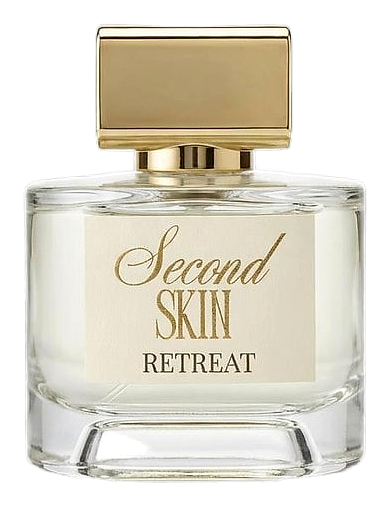
Second Skin started with a question: what if fragrance could disappear into the wearer? Gaël Montero wanted to create something that smelled less applied and more absorbed. Not a statement. Not a performance. The name says it all, a second skin, literally. Not a mask, not an accessory. An extension of self.
What makes Second Skin structurally interesting is the tension between its opening and its base. Bergamot and jasmine give it a bright, cool first impression, the kind of crispness that reads as clean. But the heart introduces warmth through black pepper, nutmeg, and cumin, which push against that cleanliness in a way that feels intentional rather than accidental. The amber-musked base is where it earns its name: vetiver and oakmoss ground the composition without sharpening it, while musk keeps everything close to the surface. This is a fragrance designed to stay, not by projecting harder, but by refusing to leave.
The evolution
Around the thirty-minute mark, the spices enter: black pepper first, sharp and dry, then nutmeg and cumin warming the whole thing up. The amber amplifies as the top notes recede, sweetening the transition. That's the tell. That's when you know Second Skin is doing exactly what it set out to do.
Cultural impact
Second Skin has carved out space in a market that often rewards boldness. In that sense, it's quietly subversive: it refuses the drama that drives most fragrance marketing. The people who love it tend to be people who've stopped trying to be noticed.
The House
RetreatThe Creator
Gaël MonteroMontero has made his name mastering oriental fragrances, particularly the interplay between richness and restraint. He gravitates toward noble materials, with a particular affinity for oud, saffron, and musks.