The Story
Why it exists.
The beginning
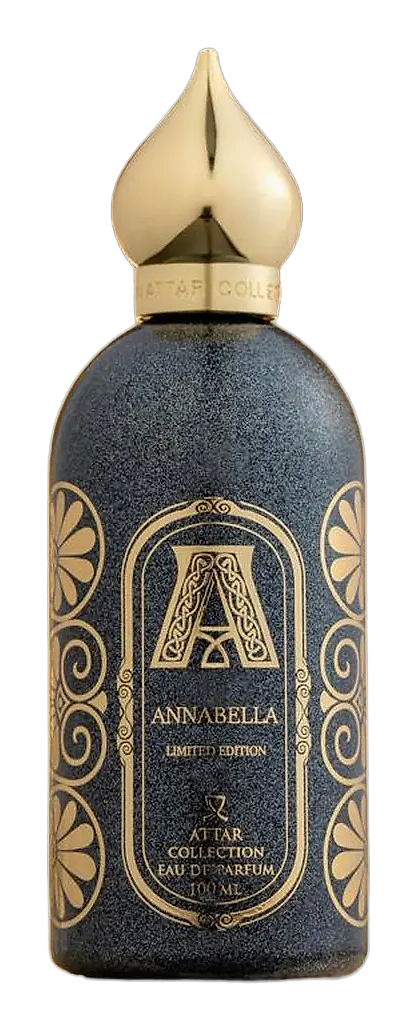
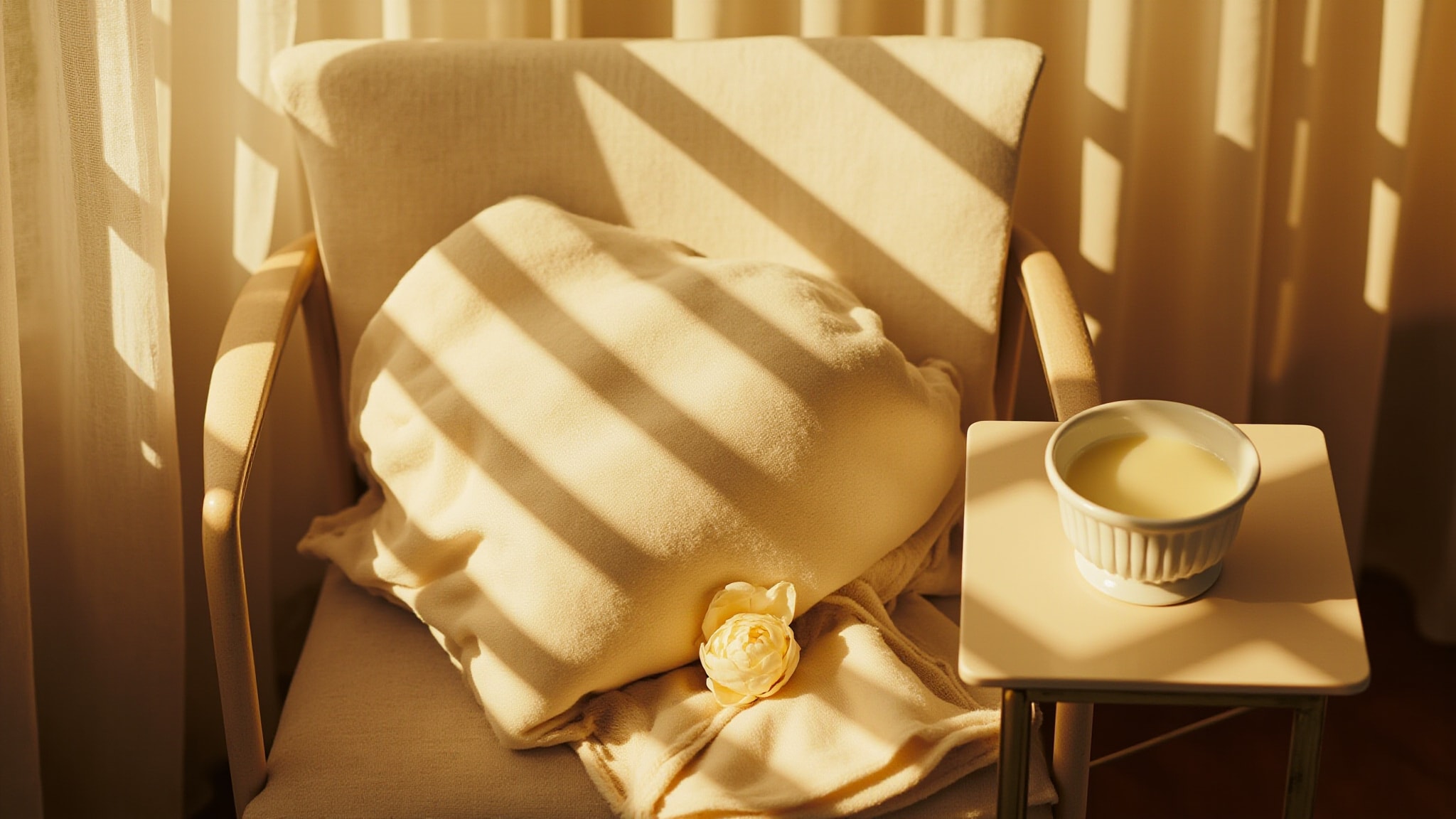
Annabella features a composition that pairs osmanthus and oolong with milk and sandalwood. Osmanthus brings a soft apricot-like sweetness to the opening, while oolong lends a gentle tannic quality that keeps the florals grounded. Milk and sandalwood follow, creating a warm, intimate effect that clings close to the skin. Both elements settle into the skin together, leaving a warmth that lasts well past the first hour.
The lactonic structure of Annabella positions milk as a heart note rather than a base, adding body without overwhelming sweetness. Gardenia and vanilla anchor the drydown, with white musk keeping the sillage intimate and close. The fragrance does not project loudly into a room, but rather remains a personal, skin-close experience.
The evolution
The opening features osmanthus first, a soft apricot sweetness backed by oolong's tannic edge. Freesia arrives as a bridge, lending a clean floral note before the milk takes over. The transition is seamless, with no jarring shift. The milk-sandalwood combination reads warm and intimate, almost skin-like, with orange blossom adding a subtle soapy cleanliness. As the fragrance develops, vanilla emerges, sweet but not cloying, supported by gardenia. The drydown stays intimate: warm, powdery, and distinctly personal.
Cultural impact
Annabella arrives in the niche fragrance landscape as a lactonic floral, featuring osmanthus and oolong tea that anchor the opening in a distinctly tea-forward register. The milk and sandalwood heart positions the fragrance among contemporary lactonic releases, with creamy, skin-close florals that offer warmth and intimacy rather than projecting boldly into a space.