The Story
Why it exists.
The beginning
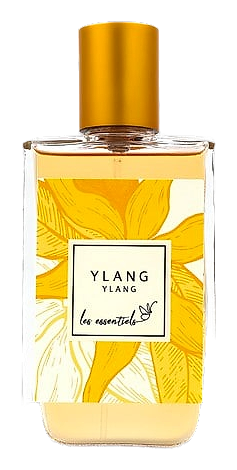
Ylang Ylang contains ylang ylang, and the brand lets that ingredient do the talking. The fragrance takes one of perfumery's most distinctive materials and places it at the center of the composition. Instead of diluting the ylang ylang into background noise, the composition centers on it entirely. Jasmine enters as support, not competition, adding its own floral complexity without competing for attention. The rest of the pyramid exists to frame the star, not upstage it. The ylang ylang's sweet, almost waxy character anchors the fragrance from the opening through the heart, while subtle shifts in the surrounding notes create depth and movement. This approach lets the ylang ylang speak for itself, unfiltered by layers of marketing-friendly accords.
What makes this work is the coconut. Used as a softening agent rather than a dominant element, it shapes the fragrance without announcing itself. The coconut doesn't smell like coconut milk or pina colada. It smells like the warm, slightly sweet air that lingers after a tropical rain. Combined with orange blossom's bitter-herbal edge and tuberose's creamy fullness, the heart becomes a bridge between the ylang ylang's assertiveness and something the skin can actually absorb. Cedar appears late, quiet and woody, pulling the composition back toward earth before it floats away entirely.
The evolution
The ylang ylang arrives sweet, almost waxy, with that characteristic indolic lift that some people read as floral and others read as something else entirely. One reviewer described this phase as somehow indefinable, and that captures it well. It's not quite tropical fruit, not quite white flower, it occupies the overlap between them. Then jasmine joins, and the composition reorganizes itself. What felt chaotic becomes cohesive. The coconut becomes apparent around the thirty-minute mark, not as a distinct note but as a texture, a creamy, slightly salty warmth that rounds the sharp edges. By hour two, the florals have settled into a quieter dialogue with the cedar. The vanilla arrives last, barely there, offering a hint of sweetness that keeps the drydown from going dry.
Cultural impact
Ylang-ylang has long been a staple in perfumery. The flower carries a distinctive sweet, waxy character with an indolic quality that shifts depending on concentration and combination. Its versatility allows it to function across the fragrance pyramid, brightening top notes, enriching heart compositions, or adding depth to bases. The ingredient's singular character comes through most clearly when the composition keeps it unobscured, allowing the ylang ylang to define the entire experience without distraction.