








Heritage
A house, in its own words
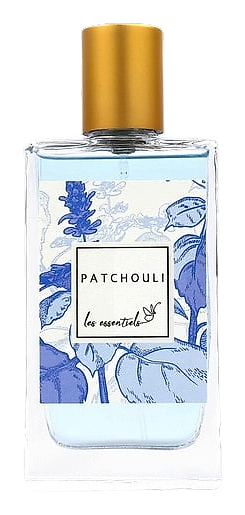
Les Essentiels emerged in 2019 as part of a broader shift in the fragrance industry toward transparency and ingredient-focused composition. Rather than positioning itself within the grand tradition of French perfume houses with centuries of history, the brand took a deliberately contemporary approach from the outset. Its catalog of eleven fragrances, released between 2019 and 2022, spans both years and ingredients without following seasonal release cycles or traditional collection structures. Each perfume carries a single-word name corresponding to its primary material, a naming convention that signals the brand's refusal of obfuscation. This approach reflects a movement within fragrance culture, particularly in France, toward valuing ingredient quality and honesty over narrative complexity. The brand operates without a publicly identified in-house perfumer, which is unusual in an industry where the nose behind a fragrance typically carries significant weight. Instead, Les Essentiels presents itself as a platform for individual ingredients, each fragrance standing alone rather than as part of a house vocabulary. The digital-only distribution model means the brand has no flagship boutiques, a choice that keeps the focus entirely on the products themselves rather than a curated retail experience. By 2022, the house had established a complete range of eleven scents covering floral, woody, gourmand, and fresh categories, offering a complete catalog rather than an ever-expanding line. At the core of Les Essentiels is a belief that fragrance should be uncomplicated. The brand rejects the industry standard of opaque multi-note pyramids and invented poetic names in favor of naming what the perfume actually contains. Rose smells primarily of rose. Vanille centers on vanilla. Thé Vert focuses on green tea. This directness extends to how the brand communicates about its products, avoiding elaborate copy that describes emotions or aspirational lifestyles in favor of ingredient clarity. The philosophy treats consumers as capable of making their own associations rather than needing to be guided through a story. Each fragrance functions as an introduction to a single material, inviting wearers to explore how that ingredient behaves on their skin rather than experience a predetermined narrative. The brand does not use synthetic-sounding or conceptual fragrance names, which sets it apart from most commercial perfume houses. This simplicity also applies to how the catalog is structured: eleven perfumes, no sub-collections, no limited editions, no seasonal launches. The consistency is intentional, reflecting a belief that customers should be able to trust what they find on the shelf today will remain available tomorrow. The approach appeals particularly to those who find traditional fragrance marketing overwhelming or opaque, offering a more honest and accessible entry point to fine perfumery.