
The Story
Why it exists.
The beginning
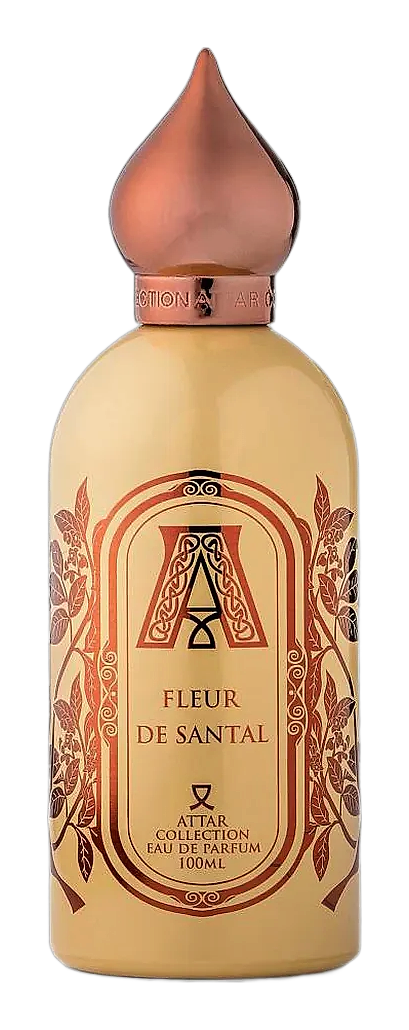
Gaël Montero built Fleur de Santal around a single paradox: the sandalwood. Not a gardenia or a rose, sandalwood as the named reference, sandalwood as the conceptual core. In Montero's composition, the fragrance reframes what could have been a straightforward powdery floral into something with more interesting bones. The name alone poses a question: how does a floral honor its wood? The answer lives in the heart, a milk accord that bridges both worlds, warm and close, joining the airy iris powder to the creamy sandalwood below without pretending the wood isn't there. Fleur de Santal isn't a floral that forgot where it came from. It's the opposite, a study in balance where the flourishes serve the foundation rather than overshadowing it.
The composition works because its middle section refuses to simplify. Milk and iris, two materials that often operate in separate fragrance categories, layer here into a single creamy powder that mimosa and ylang-ylang deepen and extend. The result doesn't smell like a dessert or a skincare counter. It smells like the hour after a shower when skin is still warm and unmarked. Creamy florals without the sweetness becoming syrupy: that balance is harder to find than it sounds. When argania joins sandalwood in the drydown, the woodiness arrives not as a replacement for the floral but as its natural conclusion, warm, close, and slightly nutty. The fragrance agrees with itself by the end.
The evolution
The first thirty minutes belong to angelica and pink pepper, not aggressive, but present. The angelica brings a green, almost mineral bitterness that keeps the opening from going sweet too fast. Pink pepper adds a soft spice that sparkles at the edges without announcing itself. Pear sits underneath, barely perceptible, a whisper of ripe fruit that keeps everything grounded. Then, somewhere between thirty minutes and two hours, the milk and iris move in together. This is the phase people come back for. The combination isn't a white floral explosion or a powder-cloud deployment, it functions more like a warm skin memory. The iris adds the powder, the milk adds the warmth, and together they quiet the sharper top notes until the composition reads as one continuous creamy-floral wave. Mimosa extends this phase, its yellow floral sweetness giving the heart a particular late-afternoon quality. By hour four, sandalwood takes the lead.
Cultural impact
Fleur de Santal is a floral-sandalwood composition that offers a different register within the niche perfume landscape. For a house with a range of offerings, this particular fragrance centered on warm milk, iris powder, and creamy sandalwood shows breadth of vision. The powdery-floral accord presents an alternative to bolder oriental and smoky works that occupy much of the niche space, demonstrating that restraint can be just as compelling as intensity when executed with care.