Argan
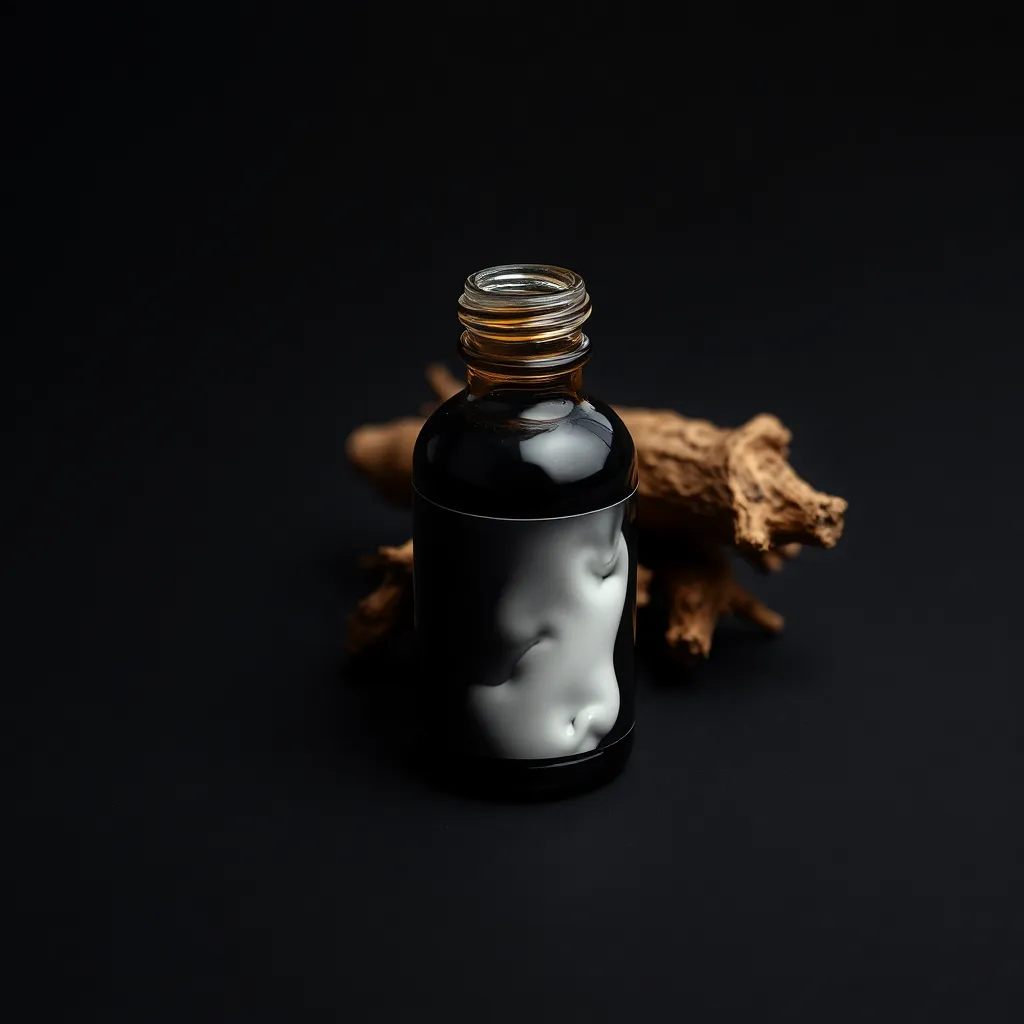
Argan oil carries a quiet, warm presence in perfumery as a fixative and skin-conditioning base. Its soft, nutty warmth anchors lighter notes without overwhelming the composition.
Character
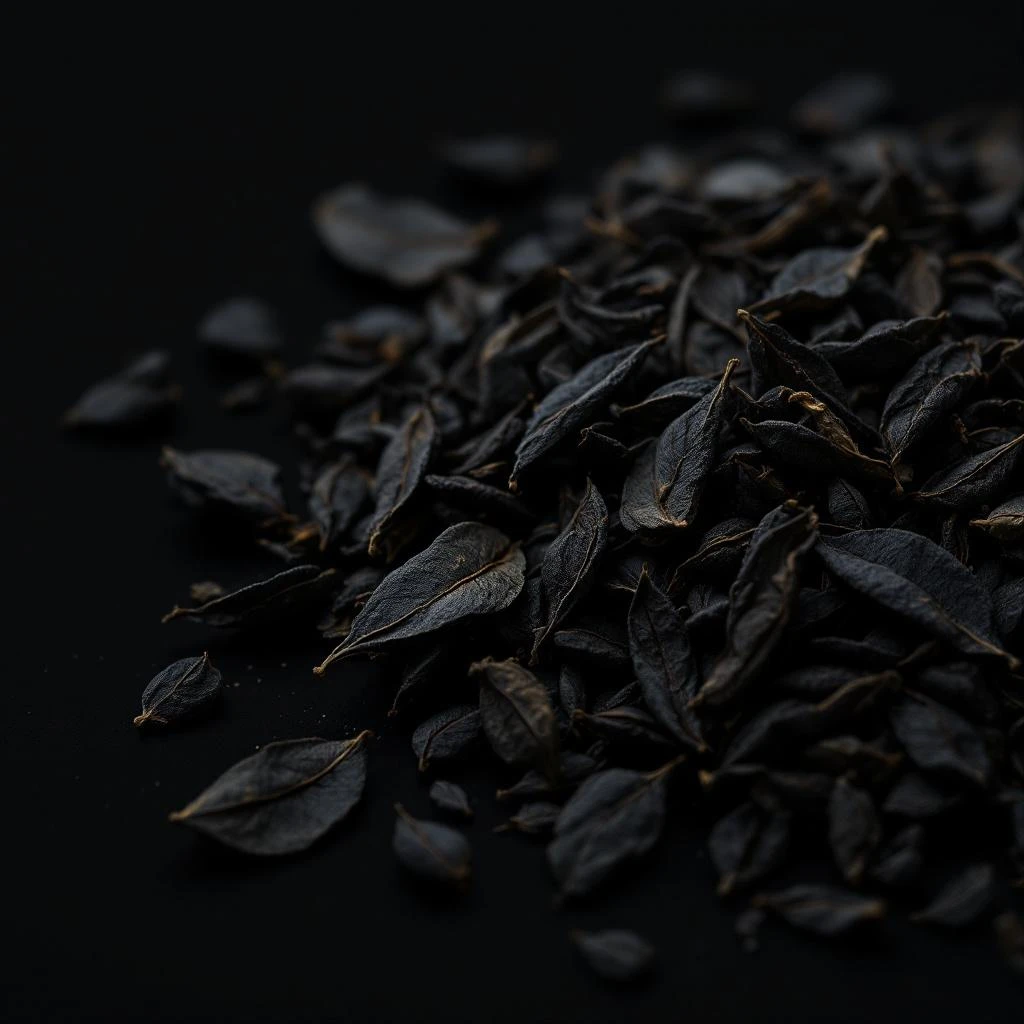
How it smells
The desert's quiet anchor in perfumery.
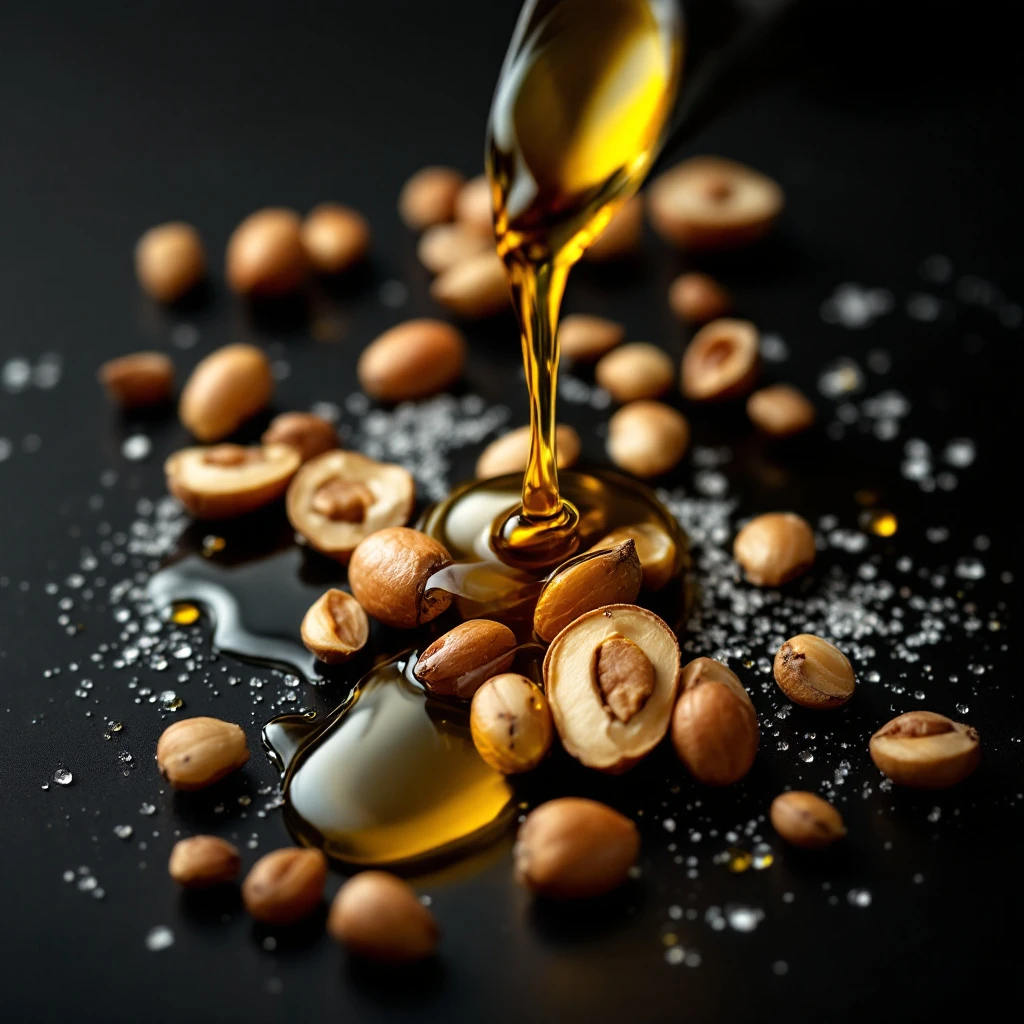
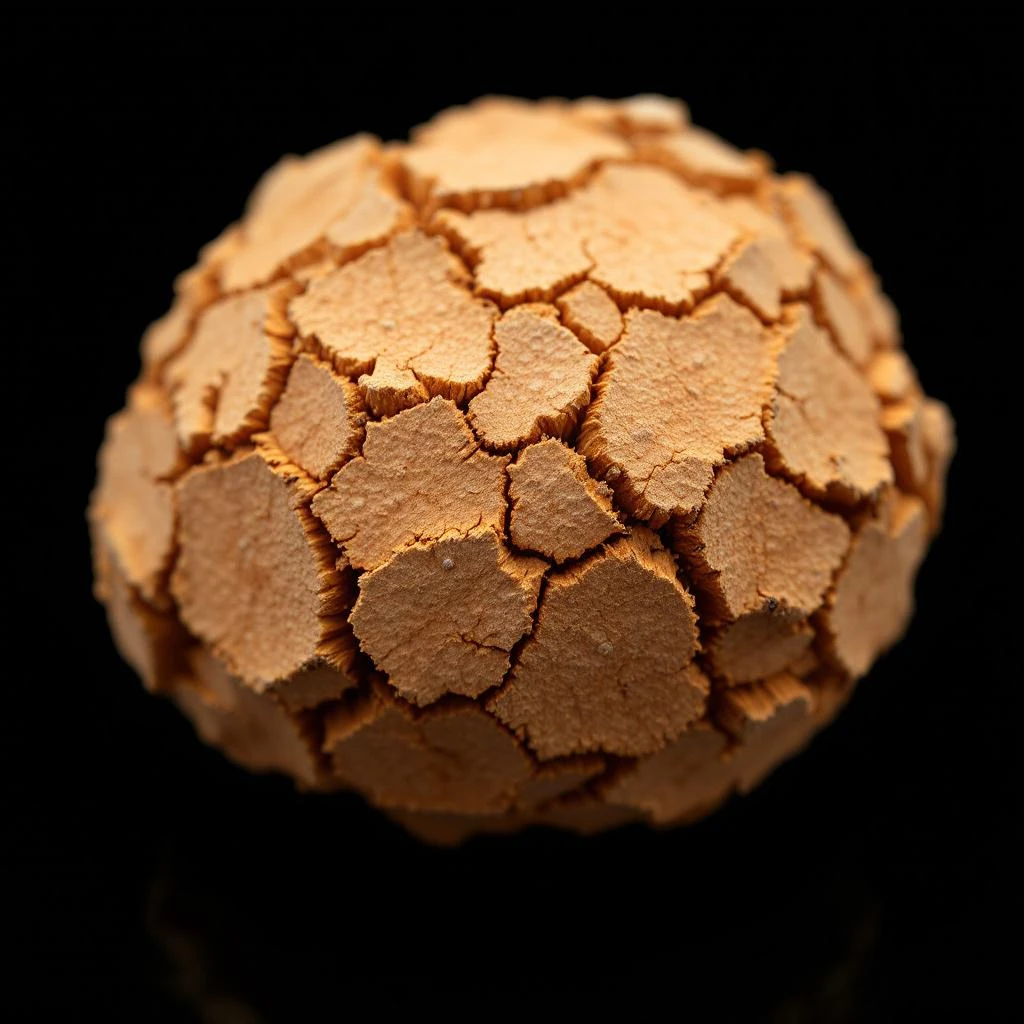
One liter of argan oil requires cracking open roughly 30 kilograms of nuts by hand.






Origin
Morocco
Berber communities in Morocco have harvested argan trees for centuries, using the oil for cooking, skincare, and medicinal purposes. The Argania spinosa tree grows almost exclusively in a biosphere reserve spanning southwestern Morocco, where it has survived for millions of years in semi-arid conditions.
While argan oil did not feature prominently in classical perfumery traditions, its adoption by modern fragrance houses as a base ingredient reflects a broader shift toward natural carrier oils that serve both functional and aromatic roles. Morocco remains the sole significant source, with the argan forest now protected under UNESCO designation.
Wears it best
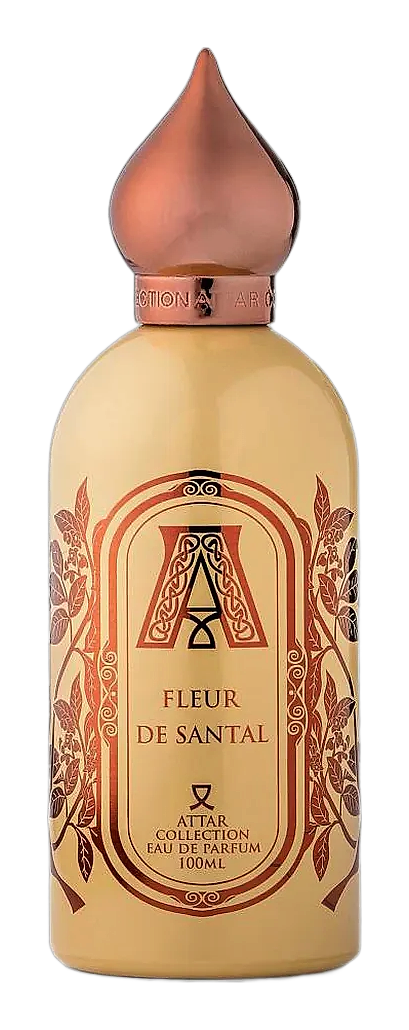
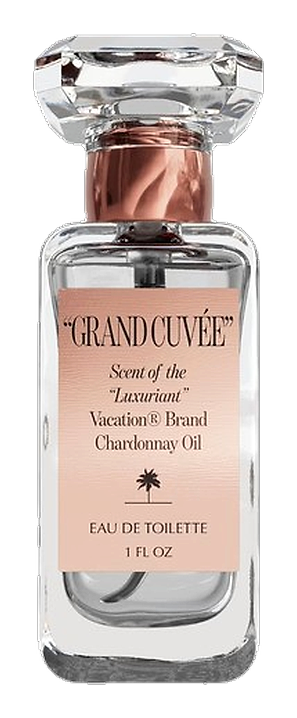
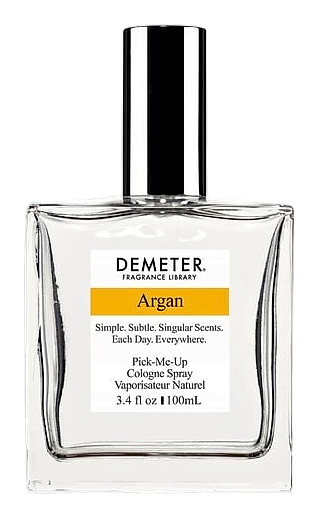
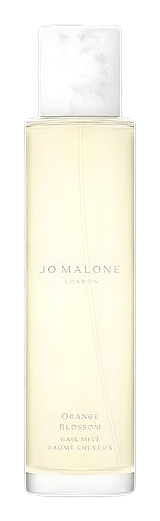
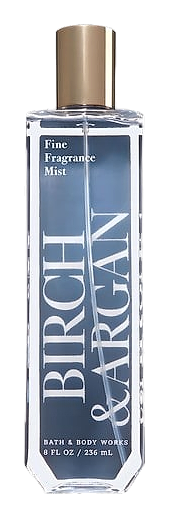
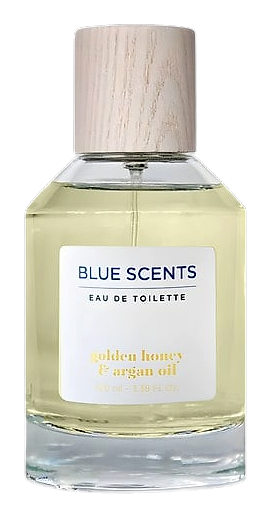
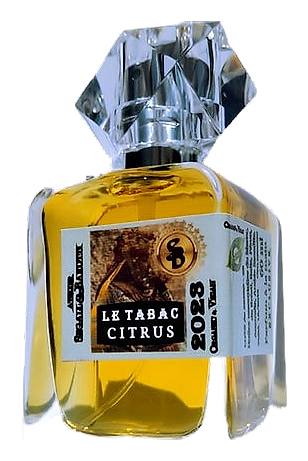
Fragrances featuring Argan


Good to know
Questions, answered
The essentials on Argan in perfumery: how it smells, where it comes from, and how it behaves on skin.
What does argan smell like in perfume?
Argan oil has a subtle, warm, nutty aroma with faint woody and slightly sweet undertones. It rarely dominates a composition, instead working quietly as a base that adds depth and smooths the blend.
Is argan oil commonly used in perfumery?
Argan oil appears less frequently than jojoba or sweet almond oil but serves a similar role as a natural fixative and carrier. Niche and natural fragrance houses use it most often.
What extraction method produces argan oil?
Cold pressing extracts the oil from argan kernels without heat or solvents. This method best preserves the oil's fatty acid profile and faint aromatic character.
Where does argan originate?
Argania spinosa grows only in southwestern Morocco within a specific biosphere reserve. The tree has adapted to survive harsh, semi-desert conditions over millions of years.
Does argan oil help fragrance last longer on skin?
As a carrier oil with high linoleic acid content, argan oil can help moderate fragrance evaporation rates, allowing scent to linger slightly longer while conditioning the skin.
Can argan cause allergic reactions in fragrance?
Pure argan oil is considered low-allergen, but as with any natural product, sensitivity varies. Perfume formulations containing argan may affect individuals with nut allergies.
Is argan oil sustainable in perfumery?
Demand for culinary and cosmetic argan oil creates competition for perfumery use. Certified cooperatives in Morocco now manage harvests to ensure sustainable practices and fair wages.
How does argan compare to other carrier oils in fragrance?
Argan offers a lighter feel than coconut oil and a slightly nuttier character than jojoba. Its fatty acid composition makes it a effective neutral base that does not compete with top notes.