
The Story
Why it exists.
The beginning
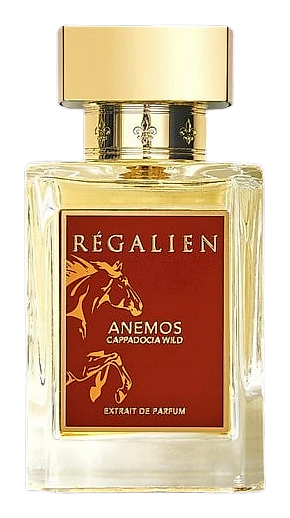
Anemos takes its name from the Anemoi, the ancient Greek wind gods who, in myth, blew from all four corners of the sky. The house rooted the concept in Cappadocia, a region of volcanic rock and high steppe carved over millions of years by those same invisible forces. The 'Wild' in the title is literal: wild horses, the Yılkı, have roamed the Anatolian plateau since antiquity, and the composition speaks to their presence on the landscape. Turkish niche perfumer Hamid Merati-Kashani composed this 2026 release, translating the cracked-earth palette of central Anatolia into something you can wear. The volcanic soil, the wild plants growing between the rocks, and the dust that hangs in the air over the plateau all find their way into the bottle.
The opening reads bright and Mediterranean, all pink pepper and citrus, before shifting into something earthier than expected. Davana and geranium in the heart approximate the smell of aromatic plants crushed underfoot, the herbal chaos of a steppe in summer, while cypriol pulls the composition into mineral and earthy territory. Then the base: praline, Indonesian rockrose, oakmoss, and oud. That combination reads ancient rather than polished, suggesting soil more than showroom.
The evolution
The opening, sharp and brief: pink pepper and elemi cut through with the resinous snap of high-altitude cold, grapefruit and bergamot flickering at the edges like light on stone. It reads almost too clean, too bright. Then the transition, surprisingly fast: the citrus recedes and the leather and davana take their seat. The leather note here doesn't smell new, it smells worn, sun-warmed, with a dusty sweetness underneath that praline begins to feed into the conversation. The middle hours belong to the geranium-cypriol interaction, herbal and earthy in equal measure, carrying a faint warmth from the ambrettolide humming underneath. As the composition shifts into its base architecture, the Indonesian rockrose and oakmoss settle, the oud sits low and smoky rather than harsh, and the praline has melted into something closer to burnt sugar than confectionery.
Cultural impact
Anemos: Cappadocia Wild brings geographic specificity to a fragrance category that often leans on broader Mediterranean or Middle Eastern reference points, grounding itself in the Anatolian steppe and the volcanic geology of Cappadocia. The Yılkı horse reference and the volcanic-soil base position it firmly on the storytelling end of the Turkish niche spectrum, treating place as character rather than backdrop. The composition appeals to wearers who want their fragrance to carry a sense of terrain, of rootedness in a specific landscape, of something that speaks to where it came from rather than what trend it might be following.