The Story
Why it exists.
The beginning
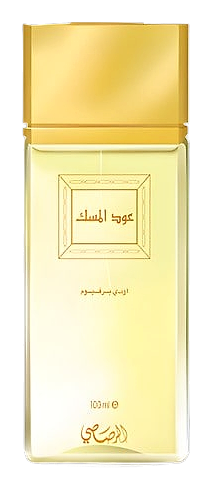
Oudh Al Misk draws from two pillars of Arabian perfumery: oud, the precious agarwood that anchors the region's most revered compositions, and musk, misk, the animalic warmth that lingers close to skin. Rasasi built this fragrance around that pairing, then wrapped it in the structure of a fougère. Citrus opens. Herbs follow. Woods settle. It's a classical masculine silhouette, but the oud underneath pulls it eastward. The result is a fragrance that speaks both languages without apology, accessible to someone reaching for their first proper scent, interesting enough to earn a place beside more expensive bottles.
The Oriental Fougere classification is unusual precisely because it shouldn't work. Fougères are built for freshness: citrus, lavender, coumarin. Orientals are built for depth: resins, woods, warmth. Putting them together means the top notes have to be bright enough to read as fresh, while the base has to hold long enough to justify the oud in the name. Five top notes, grapefruit, bergamot, orange, clary sage, galbanum, isn't a crowd. It's a deliberate layering: each citrus note brings something different, and together they create an opening that's sharp, aromatic, and immediately engaging. The heart narrows to geranium and jasmine, which softens the trajectory without losing direction.
The evolution
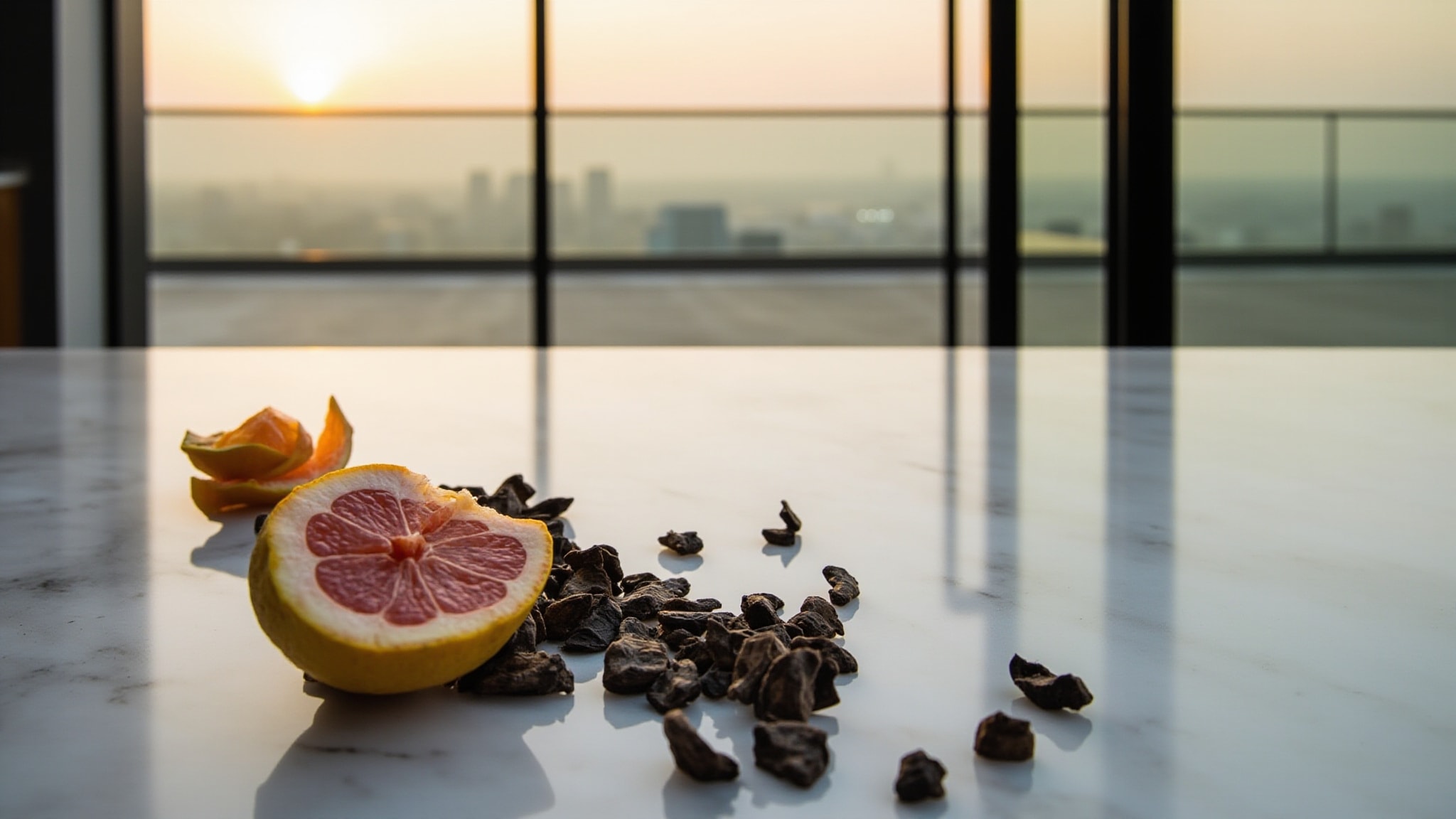
The opening arrives fast and announces itself. Grapefruit leads, bergamot sharpens, orange peel adds a thin sweetness, and clary sage brings an herbacious counterweight. Galbanum, green, almost bitter, keeps the whole thing honest. Nothing here smells synthetic or budget. For the first twenty minutes, it's pure morning energy. The citrus doesn't fade so much as recede, making room for geranium and jasmine to enter. The heart is softer, slightly powdery, floral in the way that geranium can be, green and rose-like at once. This is the transitional phase, where the fragrance could tip in either direction. It doesn't. Cedar and sandalwood arrive quietly and take over. Vetiver adds an earthy undertone. Patchouli gives weight without sweetness. Musk and ambergris, the misk, linger underneath, warm and animalic in the best way, the kind of closeness that only someone standing next to you will notice. By hour six, you're left with clean woods and a faint warmth. Nothing sweet. Nothing heavy. Just the sense that you smell like yourself, only better.
Cultural impact
Oudh Al Misk occupies an interesting space, citrus-fresh enough to wear daily, woody enough to be taken seriously. It's the kind of fragrance that shows up consistently in discussions about value, often compared favorably to scents two or three times its price. For buyers entering the world of oriental fragrances, it's a low-risk entry point that doesn't insult their intelligence. For experienced wearers, it's the reliable daily driver that sits beside the expensive bottles and gets reached for most often.