The Story
Why it exists.
The beginning
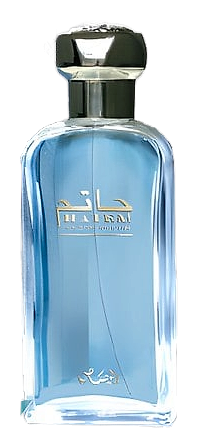
Hatem takes its name from the Arabic word for ambition and determination, a fragrance designed to go somewhere. The house behind it, Rasasi, was founded in Dubai in 1979 and spent its early years mastering attars before moving into spray formats. Hatem reflects that crossover positioning: a floriental woody designed to bridge Western freshness and Arabian warmth. The opening burst of Amalfi Lemon and bergamot was chosen deliberately, bright, citrus-forward, immediately confident. The name, the ambition, the structure: all pointing toward the same idea. A unisex fragrance that doesn't choose sides.
The dual cedar architecture is where Hatem earns its complexity. Virginia cedar in the heart reads crisp, pencil-like, almost coniferous, the aromatic skeleton holding the florals in place. Sandalwood in the base goes creamier, warmer, lending the drydown its skin-warmth signature. Most fragrances use one cedar. Hatem uses two, positioned to create a layered effect that feels intentional rather than accidental. The musk acts as a skin-bonding element, holding the woody notes close and preventing the fragrance from projecting aggressively while still delivering a 4-6 hour arc on most skin types.
The evolution
The opening arrives fast, a sparkling citrus burst that hits immediately. Bergamot, Amalfi Lemon, clary sage, lavender all present in the first minutes, the citrus sharp and bright against the herbal backdrop. About 30 minutes in, the composition shifts. The citrus softens, the lavender gains weight, and cedar begins to assert itself as the dominant voice. The heart unfolds over the next 2-3 hours, geranium and jasmine move into the foreground, their green and indolic qualities tempered by the surrounding wood. The rose is subtle, almost whispered, adding a powdery sweetness rather than a floral punch. By hour 4, the drydown takes over. Cedar and sandalwood carry the composition into a warm, intimate close. Musk and patchouli anchor the base, adding depth without darkness. Moderate sillage throughout, this is a fragrance that lingers close to the skin rather than announcing itself across a room.
Cultural impact
Hatem occupies an interesting space in the modern Middle Eastern fragrance landscape, reflecting a shift toward more refined, internationally appealing compositions from Gulf-based houses. The blend of classic European aromatics like bergamot and lavender with a cleaner, more minimal approach speaks to a generation of fragrance enthusiasts who appreciate both Western heritage and Eastern craftsmanship. This bridge-building through scent has helped regional brands gain traction beyond their traditional markets, making fragrances like Hatem cultural touchpoints in the evolving conversation about what Middle Eastern perfumery represents today.