The Story
Why it exists.
The beginning
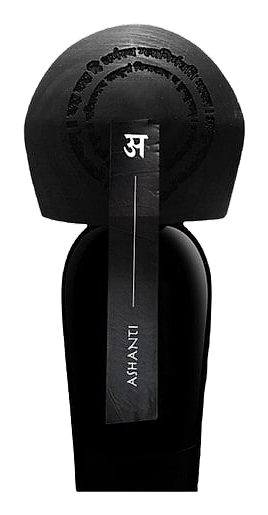
Ashanti takes its name from the West African tribe long celebrated for the beauty of its queens, women described in the brand's own notes as possessing a lunar sensuality, with polished dark skin and necks held like royalty. Raffaella Tarana, the nose behind the fragrance, translated that image into scent for her Italian house Rajani. The brief was clear: an overdose of tuberose, obsessive and threaded through oud and patchouli until the white floral stopped smelling innocent. Rajani positions Ashanti as the feminine version of Oltrenero, a sister composition, and the file notes describe it as 'oudy, yet flowery', a contradiction the formula carries on its own terms. The tuberose here is not the clean, garden-party variety sold in lighter florals.
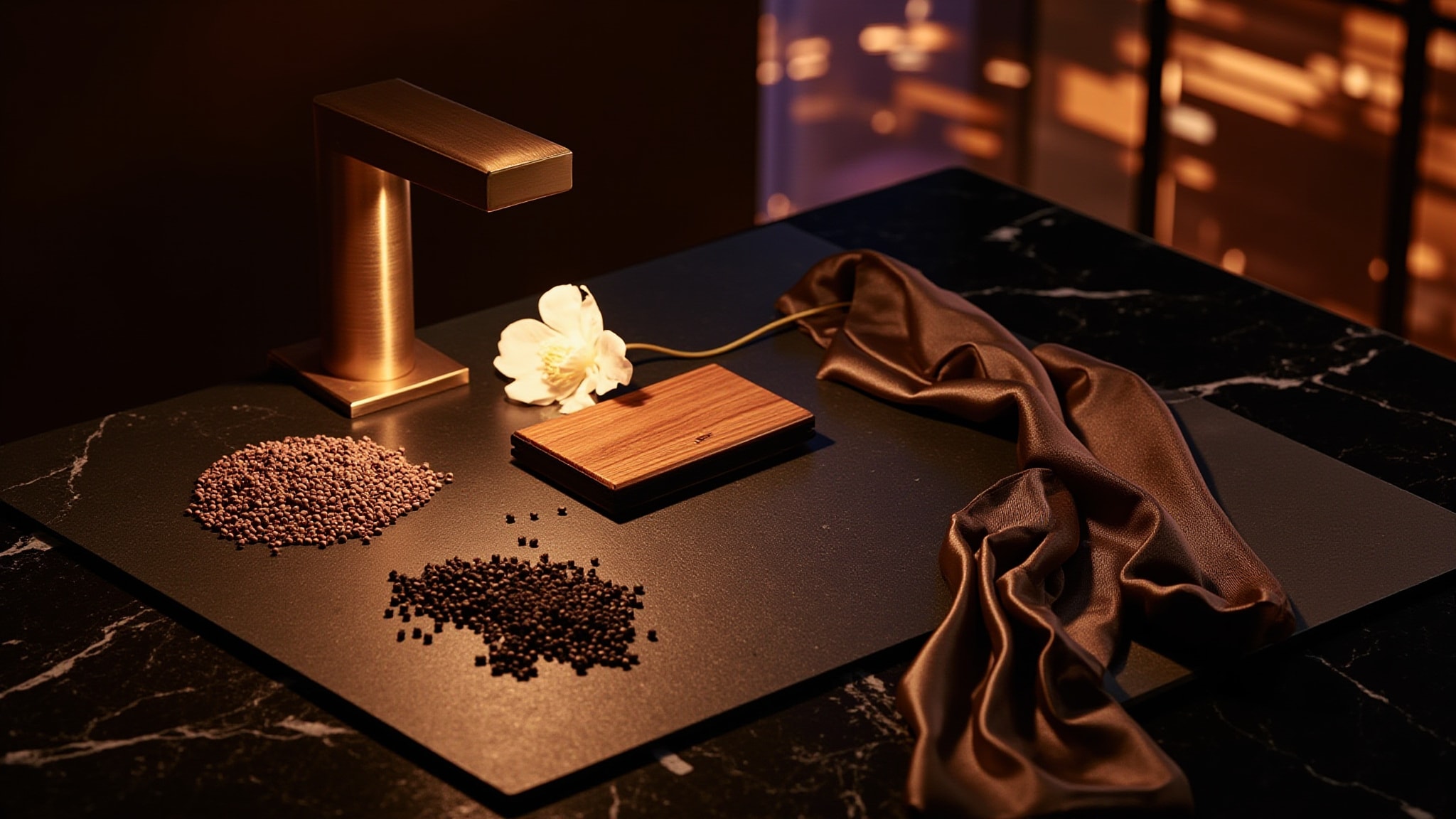
What makes Ashanti structurally unusual isn't the tuberose, that's everywhere, it's the aggressive overlay of spice and oud on a white-floral heart. Patchouli and agarwood anchor the base, which means the creamy indolic sweetness of the tuberose never gets to float. It gets pinned down and reworked, forced into dialogue with darker, earthier materials that would normally live in an oriental or a smoky incense composition.
The evolution
The first twenty minutes feel almost citrus, like someone opened a window. Bergamot briefly takes the lead, and there's a moment where Ashanti could pass for a clean, bright floral. That window closes fast. Tuberose pushes through in full force, and almost immediately the pepper note starts to sting, first metallic, then warm. By the end of the first hour, you get the composition's signature friction: a creamy, almost carnal white floral sitting on top of something that burns. Gardenia fills the gap, adding a buttery density that softens the edges just enough to keep the whole thing wearable. The oud doesn't shout. It moves underneath. By hour three, the tuberose has darkened, pulled earthward by the patchouli, and the composition reads less like flowers and more like flowers left in a warm room overnight.
Cultural impact
Ashanti takes a familiar pairing, tuberose and oud, and tilts it toward something spicier and less conventionally pretty than most compositions in that lane. The result reads as a perfume with a point of view, less interested in softness than in presence. It's a scent for self-recognition rather than for the room, built around the kind of assertive, almost confrontational floral that announces itself rather than whispers. The pepper-tinged opening, the dense indolic heart, and the resinous base all reinforce that sense of a fragrance designed to be worn as armor or signature rather than as decoration.