The Story
Why it exists.
The beginning
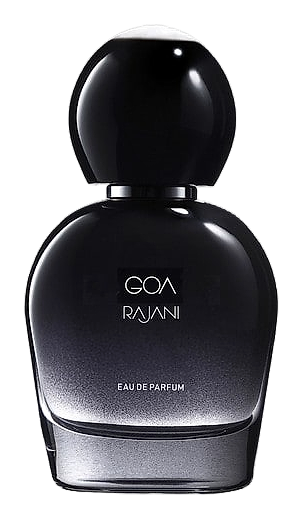
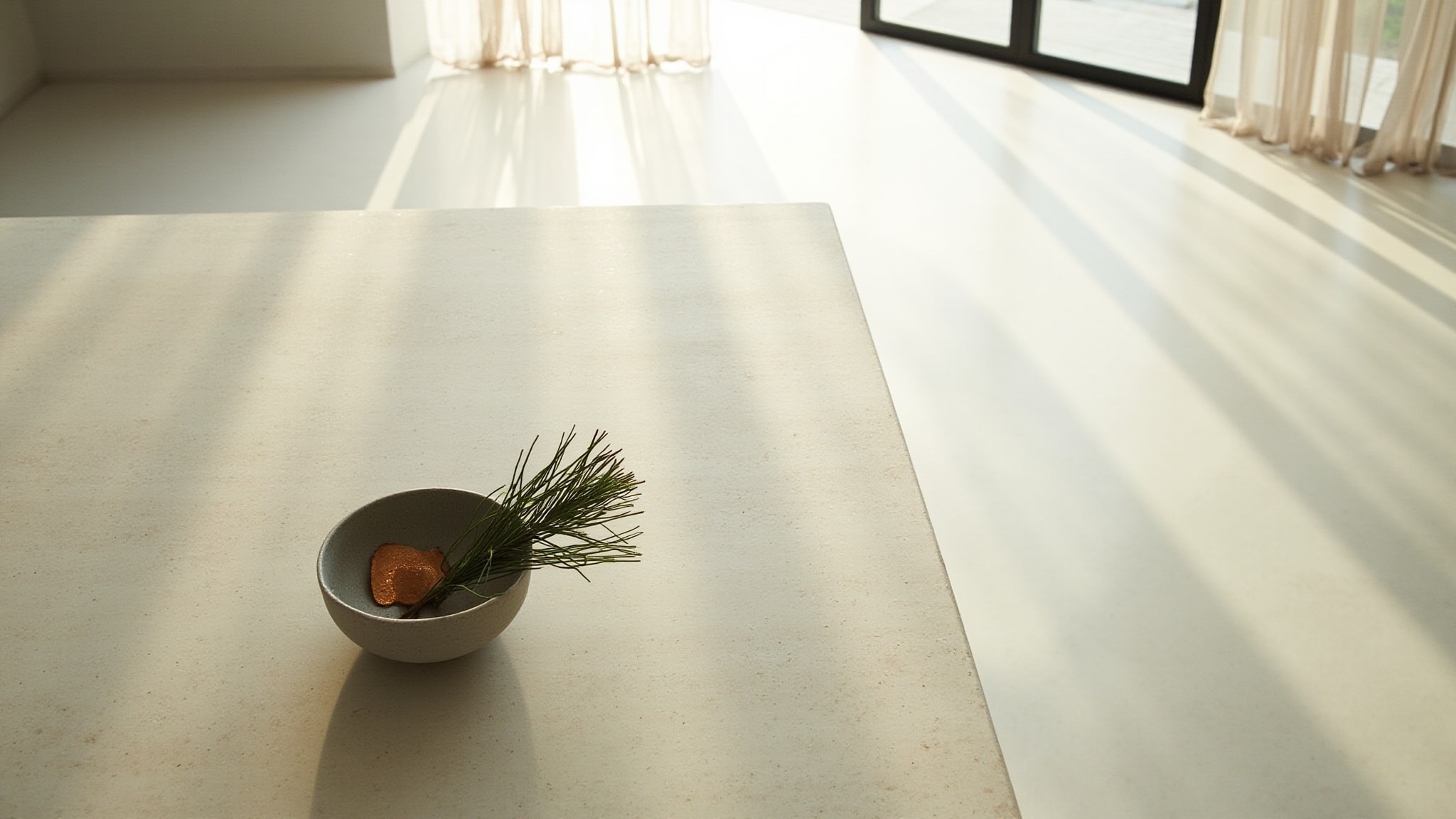
Goa arrived in 2018 from Rajani. This composition chases a particular hour: bright, salt-edged, unhurried. The brand's own copy paints the scene precisely: dismiss the loafers, shed the double-breasted suit. Goa is a barefoot walk in the nature, a breath of fresh air where dreamy sea waves melt with murmuring pine needles. It's an invitation to undress, formally and otherwise, and step into something that smells like it has nowhere to be. That opening line sets the temperature for everything that follows. You can feel the intention before a single note announces itself: a fragrance that wants room, not ceremony. The salt comes in early, clean and mineral rather than ozonic, the kind of marine breeze that reads more Atlantic than tropical.
What makes Goa interesting is its restraint within a typically loud genre. Aromatic aquatic compositions tend to drown in ozonic effects, that synthetic marine splash that reads as detergent to half the noses that meet it. Tarana goes the other direction: the sea notes here are saline and atmospheric rather than chemical, and they're anchored by a lavender-geranium pairing that pulls the whole thing into fougère territory. The lavender gets described by the brand as a fresh interpretation, green and elegant, with what they call a hint of darkness. That darkness lives in the base: patchouli, vetiver, and Scots pine doing the heavy grounding while white musk and almond keep things from going too rugged.
The evolution
The opening is immediate: herbal and marine notes hit at once, no real ramp-up. That first half-hour reads bright and slightly bitter, herbs sharpened by salt, lavender already threading through underneath. By the one-hour mark the geranium has pushed forward, green and a little peppery, and the lavender settles into something cleaner and more classical. The transition into base happens around the three-hour mark. Here is where the composition reveals its quieter half: the almond comes forward first, soft and almost creamy against the sharper pine and vetiver. Patchouli grounds everything without dominating. The drydown is where Goa does its best work: a soft, warm, slightly woody musk that sits close to skin, the kind of low murmur you catch on your own wrist rather than announce across a room. That closeness is part of what makes the later hours so rewarding.
Cultural impact
Goa reads as a weekend scent, the kind that suits linen and open windows, and it updates the classic fougère template with marine openness and that almond warmth in the base. Worn in daylight rather than late evening, the composition feels like a quiet summer reset: herbal and saline on the opening, settling into something warmer and more contemplative as the hours pass. There's a tension in how Goa behaves on skin, because the marine and herbal sharpness suggests something cool and breezy while the drydown reveals a softer, almost edible almond undertone that pulls the whole composition toward comfort.