The Story
Why it exists.
The beginning
Kyoto launched in 2022, and its name sets the tone without needing to explain everything. The fragrance is built around a fruity-leathery character with powdery, floral, green, woody and aromatic facets, giving it an identity that feels polished while still leaving room for interpretation. Raffaella Tarana is the perfumer on record. She works with mandarin orange and black tea at the top, camelia and osmanthus through the middle, and ambergris, vetiver and white musk in the base. The opening has a bright citrus lift tempered by the darker, more textured presence of black tea. As it develops, camelia brings a floral softness and osmanthus adds a refined sweetness, but neither note pulls the composition into a simple, pretty bouquet.
Kyoto's structure moves between contrasting textures rather than relying on one dominant gesture. The opening of mandarin orange and black tea offers brightness with an earthy counterpoint, creating a clean start that feels more layered than a straightforward citrus scent. In the middle, camelia and osmanthus bring floral character, balancing fruit, tea and the developing leather note without making the composition overly sweet.
The evolution
The opening is the most immediate part of Kyoto. Mandarin orange supplies a clear citrus brightness, while black tea adds a darker, more reflective edge. Together they create an entrance that is fresh but not simply fizzy, like a polished scent with some depth already beneath the surface. As the fragrance develops, camelia and osmanthus move into focus. The camelia gives the middle a soft floral texture, while osmanthus adds a refined sweetness that keeps the composition from becoming austere. The leather character remains important here, giving the floral notes a contrasting structure and helping the scent feel less predictable. Over time, the base becomes more present. Ambergris contributes warmth and softness, vetiver introduces a dry woody quality, and white musk gives the finish a smooth, close-to-skin feel.
Cultural impact
Kyoto sits within a familiar lane of accessible woody aromatics, but its character comes from the contrast between its citrus opening, floral middle and textured base. Mandarin orange and black tea bring freshness and contrast, camelia and osmanthus add softness, and ambergris, vetiver and white musk provide warmth, dryness and a gentle finish. The result is the equivalent of a reliable jacket: versatile, understated and easy to wear, without being so quiet that the fragrance disappears. It is polished enough to feel intentional, yet balanced enough to fit naturally into an everyday rotation.
The House
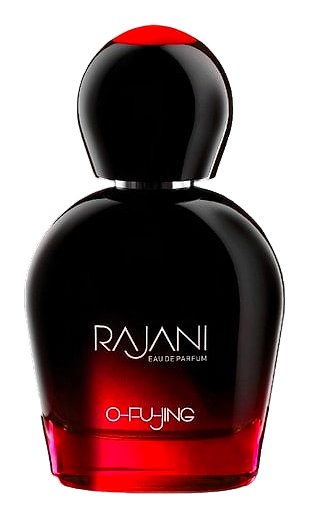
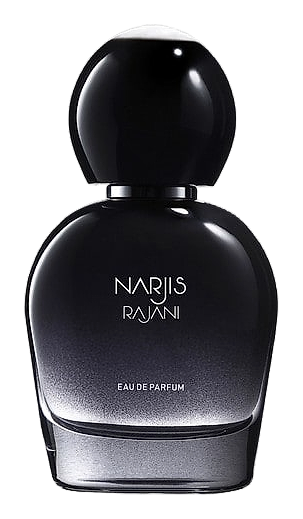
RajaniRajani is an Italian niche fragrance house founded in 2018 by perfumer Raffaella Tarana. The brand draws its name from the Sanskrit word for night, evoking the mystique of darkness and the panther's graceful hunt within it. Based in Italy, Rajani crafts olfactory narratives that explore the space between shadow and memory, creating perfumes that feel both intimate and transportive. Each fragrance in the collection carries the weight of personal experience transformed into scent, offering wearers a sensory passage through landscapes both geographic and emotional. The house has released notable compositions including O-Fu-Jing, Surya, Kyoto, and Morocco, each demonstrating Tarana's ability to weave cultural influences into cohesive aromatic stories.
The Creator
Christian PleschChristian’s style blends classic French structure with a Germanic precision. He builds foundations on crisp citrus or aromatic herbs, then layers heart accords of spice, floral or resin that evolve slowly on the skin.