
The Story
Why it exists.
The beginning
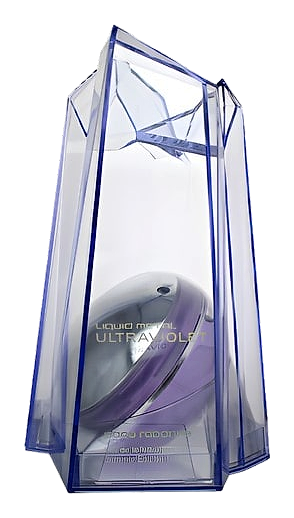
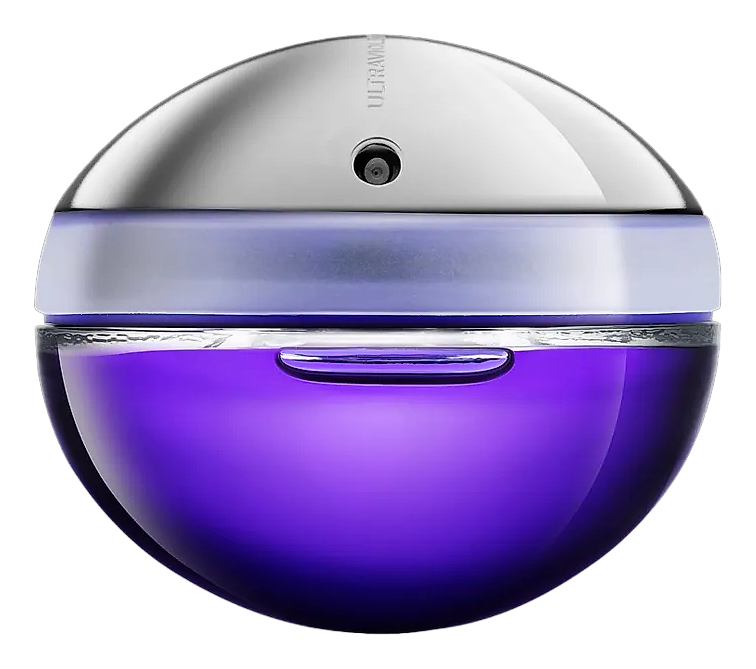
Jacques Cavallier-Belletrud designed Ultraviolet Metal Beach in 2001 with Rabanne's directive in mind: fresh first, then structured, full of vibrations and contrasts. The name is a provocation, a metal beach, ultraviolet. It promises sun and chrome. What Cavallier-Belletrud delivered subverts that entirely. This is a fragrance that refuses its own title.
The unusual pairing of cyclamen with osmanthus in the heart is the compositional move that makes Ultraviolet Metal Beach memorable. Osmanthus typically anchors fruity or leathery compositions, bold, assertive. Here it stays quiet, almost shy, letting the cyclamen's alpine quality bleed through. White musk in the base does what white musk does best: holds everything close. This is a fragrance that ends warm but never sweet, present but never loud.
The evolution
On skin, the opening hits immediately. Cool, almost medicinal spice, ginger and black pepper cutting like highland air, not tropical heat. There's a faint metallic edge, a nod to the name. Within 30 minutes, the cyclamen arrives and the character shifts. Alpine violet, some say. Fragrant azalea, say others. Osmanthus brings a whisper of apricot sweetness. Water lily keeps it cool, almost dewy. This is when the mountain-lake comparison makes sense. Three hours in, the spice has settled and the heart persists, quiet but insistent. The drydown is where warmth finally arrives, amber and white musk creating a powdery closeness. Vanilla adds a soft sweetness but never rounds into something easy. The next day, skin holds a trace: warm, powdery, intimate. That's when you realize this fragrance isn't loud. It just doesn't leave.
Cultural impact
Rabanne's Metal Beach line marked a pivot for the heritage brand toward futuristic, beach-ready luxury. Ultraviolet Metal Beach specifically captured the intersection of warm spice and cool metal, a duality that reflects 2020s fragrance culture's embrace of bold, gender-fluid scents that refuse to choose between comfort and edge. The metallic trend it participates in has roots in early 2000s minimalism but evolved into something more tactile and provocative, with consumers seeking fragrances that feel both sensory and conceptual.