
The Story
Why it exists.
The beginning
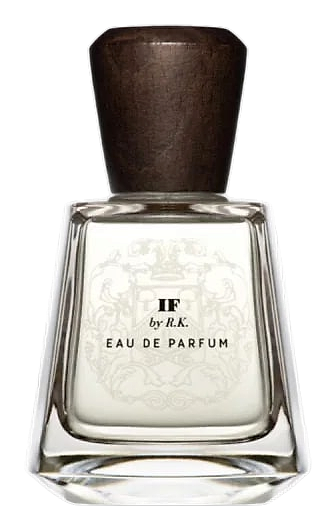
The name belongs to Rudyard Kipling's most famous poem, written in 1909: a letter from a father to his son on the verge of becoming a man. 'If, ' distills resilience into thirty-two lines of stoic advice. The verses stayed with David Frossard, artistic director of Parfums Frapin, since childhood, his grandfather, a great traveller, first introduced him to the poem. Years later, during a charity race through India, Frossard passed through Mysore and the words returned to him. Mysore. The city where Kipling once lived, where the poem's geography and emotional landscape converge. The fragrance draws from that geography deliberately: Madagascan ginger, Karnataka pepper, Italian bergamot. Fig milk, Ceylon cinnamon, cashmere wood. Mysore sandalwood, Indonesian patchouli. The places Kipling knew, translated into a composition by perfumer Anne-Sophie Behaghel.
What makes this structure interesting is the hand-off between warmth and restraint. The top is all clean spice, ginger and black pepper opening bright and almost clinical before Italian bergamot softens the edges. Then the fig milk arrives: a lactonic, creamy note that feels almost edible, cut by the powdery warmth of cashmeran. The Ceylon cinnamon adds a spice that doesn't bite so much as exhale. The base is where Behaghel earns the reference. Mysore sandalwood is one of the most expensive, most coveted sandalwoods in perfumery, creamier and more refined than its Australian counterpart.
The evolution
The opening lasts maybe fifteen minutes, clean ginger and black pepper that feel almost like a handshake, formal and brisk. Then the fig milk arrives, and something shifts. The composition becomes softer, warmer, the sharp edges rounding into cream. The cinnamon adds a slow burn that never quite becomes heat. By the second hour, the sandalwood takes over. This is where the fragrance earns its name: the Mysore sandalwood projects a quiet, meditative quality, not the sandalwood of incense or temples, but the sandalwood of a person who has read the poem and taken it to heart. The tonka bean sweetens the base without making it edible. The patchouli anchors everything with an earthy depth that keeps the warmth grounded. Six to eight hours later, on most skin types, what remains is a soft, powdery warmth close to the skin, the kind of scent that someone standing near you might notice but couldn't name if they tried. That's the drydown worth waiting for.
Cultural impact
IF by R.K. occupies a specific niche: the unisex woody-spicy that works equally well in professional and evening contexts. Wearers describe it as the scent of someone who walks into a room and doesn't need to announce themselves. The fig-sandalwood pairing has drawn comparisons to BDK Parfums Gris Charnel, though IF by R.K. skews warmer and spicier. The Kipling reference attracts a certain kind of wearer, someone who knows the poem, or who wants to smell like they do.