
The Story
Why it exists.
The beginning
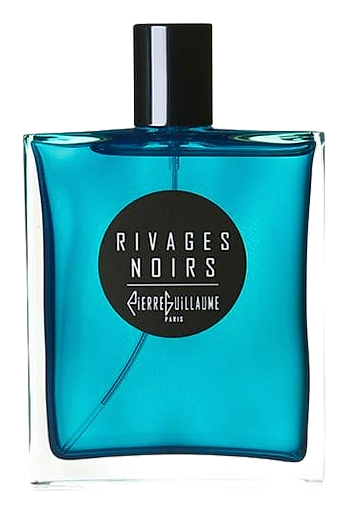
Pierre Guillaume named it for the coast at dusk, when the dark shoreline blurs into sea and the air turns ambiguous. Rivages Noirs, the black shores. The 2015 release imagines a boat anchored somewhere off the Mediterranean, the kind of summer night where the cypress trees release their resin into the heat and someone pours a single malt. It's not a vacation scent. It's the quieter moment after the swimming and the noise, when the deck goes still and the whisky catches the lantern light.
What makes this composition interesting is the friction between its elements. Melon, a note that rarely survives contact with serious fragrance, gets tangled up in cinnamon, cardamom, saffron, and ginger, the whole spice cabinet, really. Then Mediterranean cypress anchors the center, woody and resinous and unmistakably green. The base of cedar leaves, oakmoss, and vanilla refuses to go fully sweet. Guillaume isn't building a fruit fragrance or a spice fragrance. He's building a place. The melon is just the salt on the wind.
The evolution
The first ten minutes are disorienting. Cardamom and saffron hit first, bright and almost fizzy, then melon comes through wet and cold, like biting into fruit that's been sitting in ice. Ginger and cinnamon flicker underneath, giving the opening an odd thermal contrast, cold fruit and warm spice at the same time. By the half-hour mark, the melon retreats and Mediterranean cypress takes over, green, resinous, slightly bitter. The whole composition tilts away from food and toward something more vegetal and arid, a quiet shift you register in the background before it fully takes hold. The two-hour mark is where the oakmoss and cedar leaves arrive properly, and the vanilla stops hiding. It never goes full gourmand. It goes dry, woody, a little earthy, with the vanilla sitting underneath like a memory of the whisky that flickered through the opening.
Cultural impact
Rivages Noirs works in a register where fruit and spice coexist without either one surrendering to the other, a balance that takes a few wearings to fully appreciate. The first application can feel a little disjointed because the opening is so much colder and wetter than where the composition eventually lands, but the structure clicks into place by the third or fourth wearing, and suddenly the arc from icy melon to dry moss reads as a single coherent thought rather than a sequence of separate ideas.