The Story
Why it exists.
The beginning
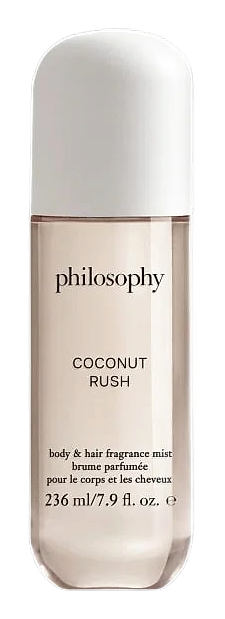
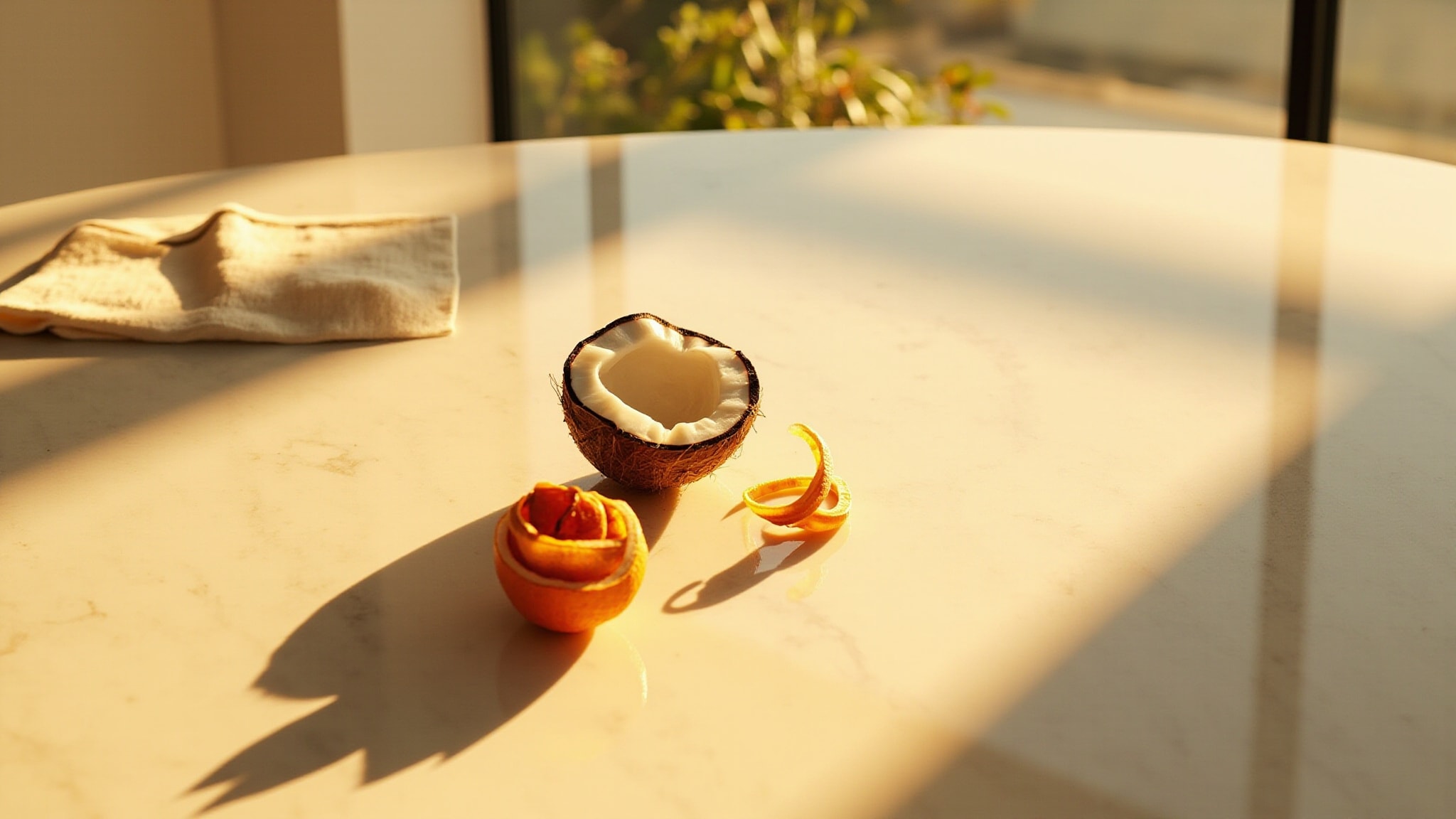
Philosophy has built a reputation for translating skincare sensibility into fragrance, creating scents that feel like they belong on the body rather than just in the air. Coconut Rush Mist, released in 2025, captures a straightforward desire: that warm, creamy coconut note people keep chasing in body mists, dialed up without the synthetic sweetness that often sinks the category. The composition was shaped by perfumer Mathieu Nardin, working with Mane, and the result is something pared-back and intentional rather than overworked. Italian mandarin orange opens bright, almost effervescent, with a clean citrus snap that feels lifted rather than sharp. Coconut takes over the heart, lush and milky, carrying a natural weight that reads rich without veering into cloying.
The choice to keep the pyramid stripped down to three notes is the interesting move here. Rather than crowding the composition with supporting players, the formula lets each ingredient carry real weight and stay legible from first spray to final drydown. By letting coconut sit unaccompanied in the heart, the composition reads warmer and more food-like, closer to fresh coconut meat than to any blended cocktail association.
The evolution
On skin, the opening moves fast. Italian mandarin fizzes up immediately, bright and zesty, almost like peeling the fruit live. Within ten minutes it hands the stage to coconut, which arrives full and creamy, the kind of note that reads warm on cool skin and cool on warm skin. The vanilla enters early here, not waiting for a formal base phase, threading through the coconut and softening both. By the two-hour mark the citrus is a memory and the composition has settled into its true register: toasted coconut wrapped in a sheer vanilla haze. Projection stays close to the body, a personal cloud rather than a room-filler, which suits the formula's quiet confidence. Wear time varies depending on skin chemistry and how the mist is applied, but the composition itself doesn't fade so much as smolder down gradually, losing the top edges while keeping the coconut-vanilla core intact for hours.
Cultural impact
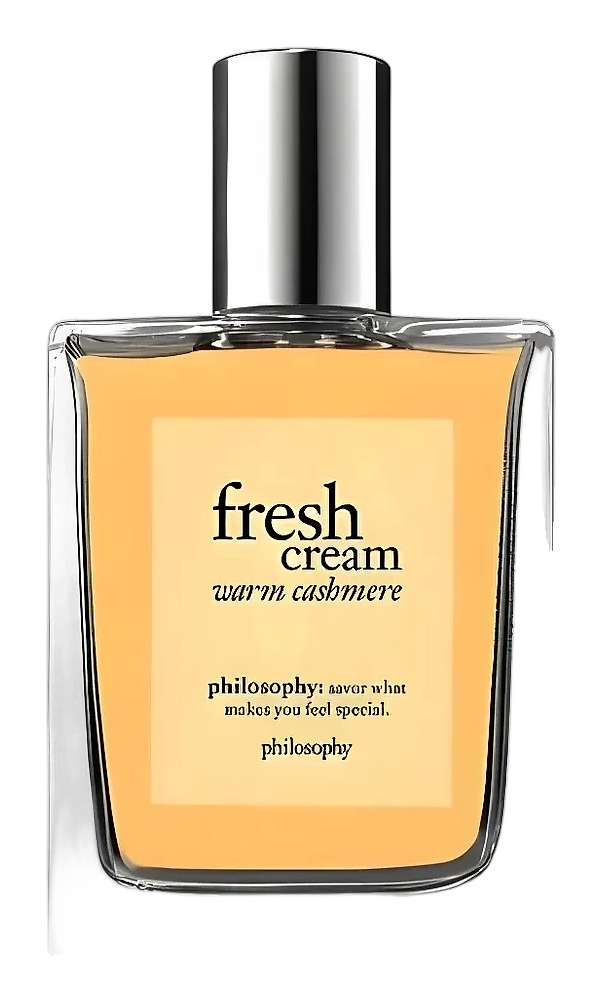
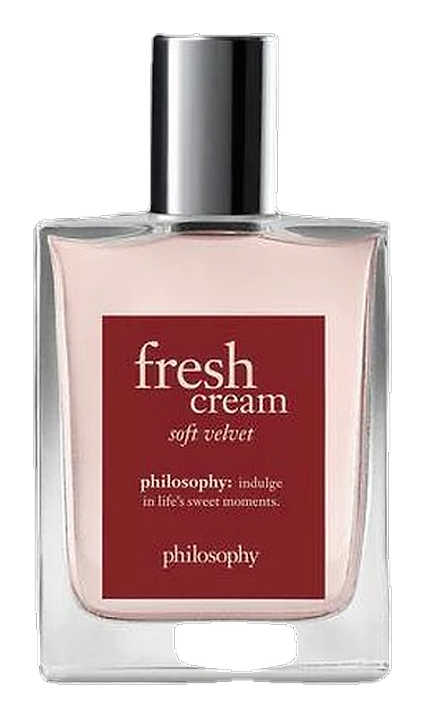
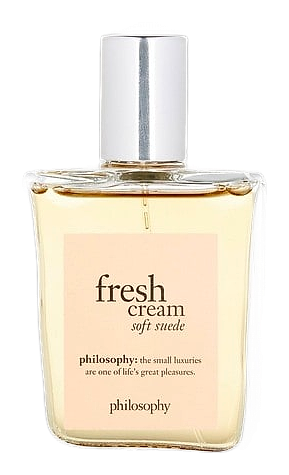
Coconut Rush Mist arrived in 2025 into a fragrance market where gourmand profiles had become a dominant force across mass and prestige categories alike. The formula leans into coconut as its central ingredient, an ingredient that had become one of the most recognizable notes in modern perfumery, moving from niche experimentation into mainstream bath-and-body staples and back again. The release sits within Philosophy's broader catalog of dessert-leaning compositions, alongside other listed offerings such as Fresh Cream Warm Cashmere and Pistchhio Paradise, which explore similar creamy, edible territory.
The House
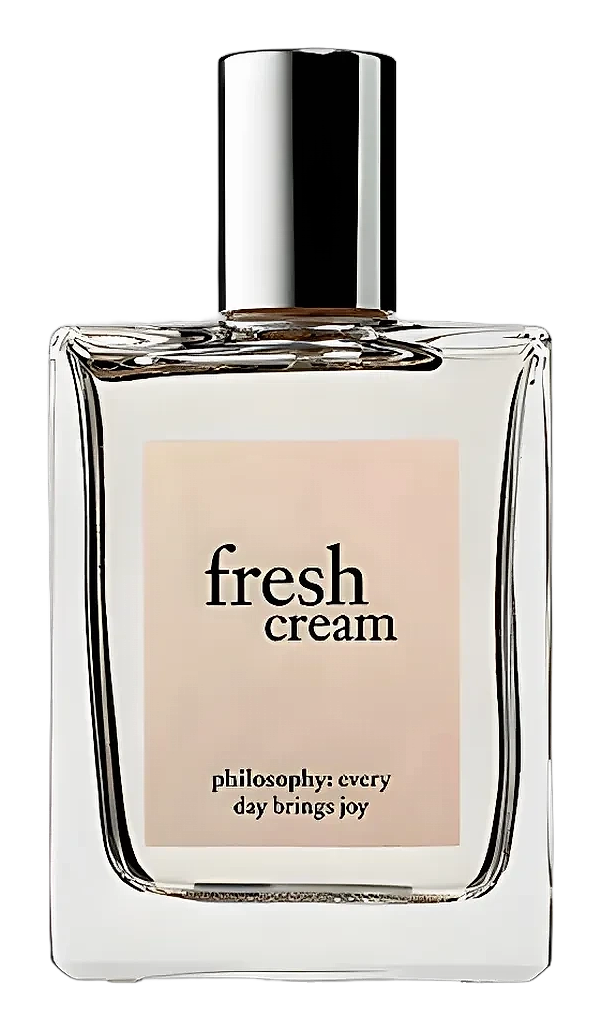
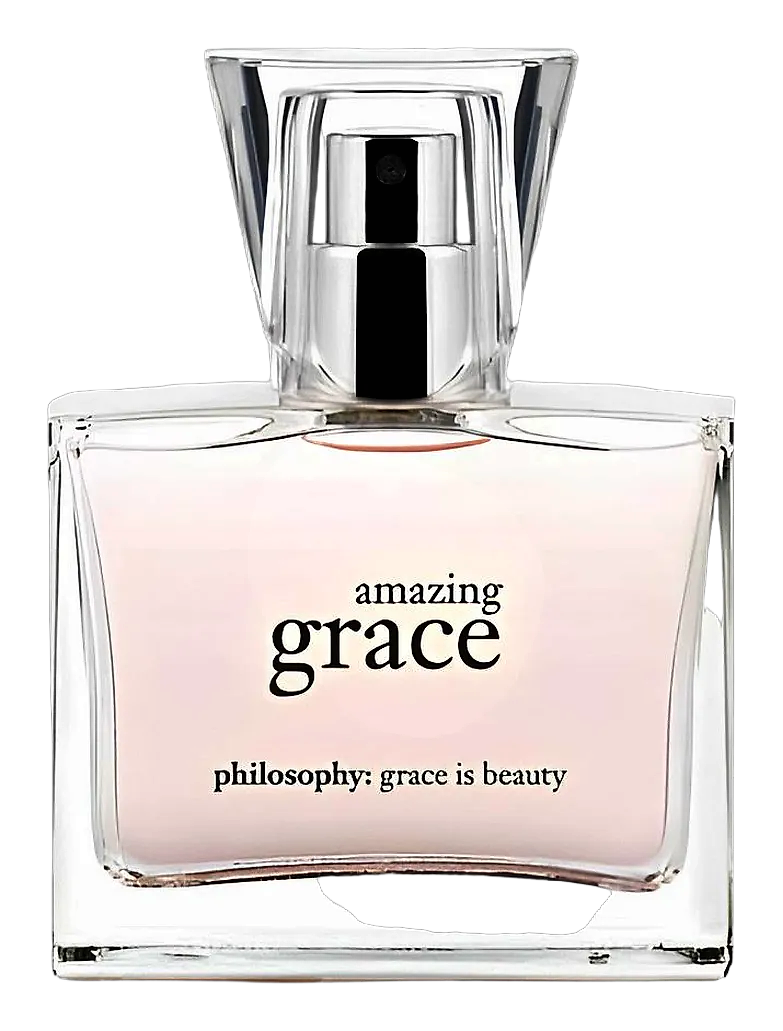
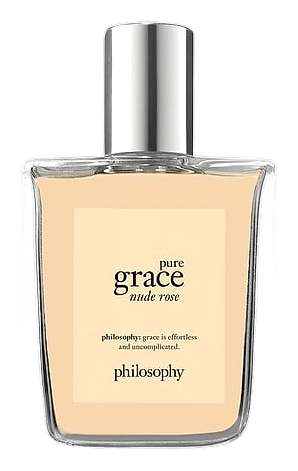
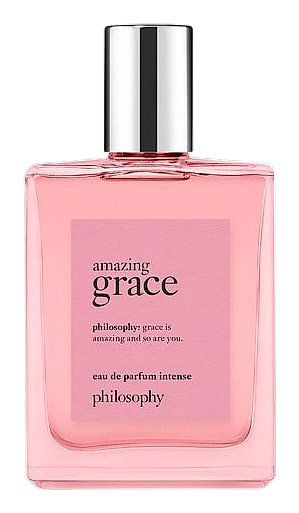
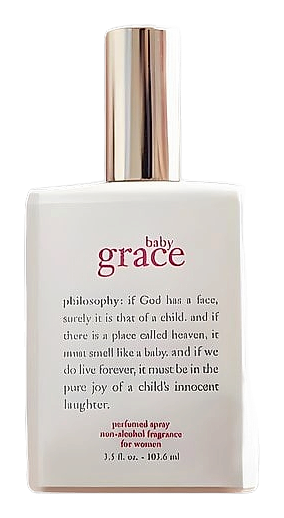
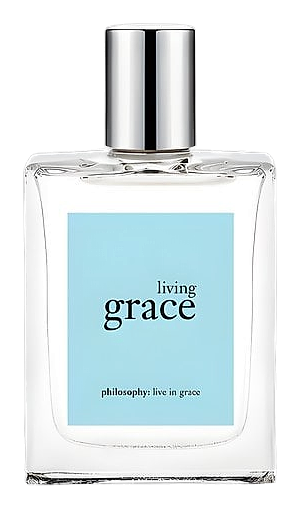
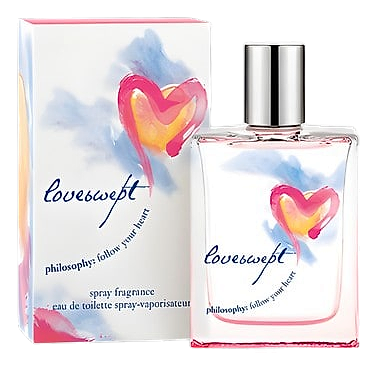
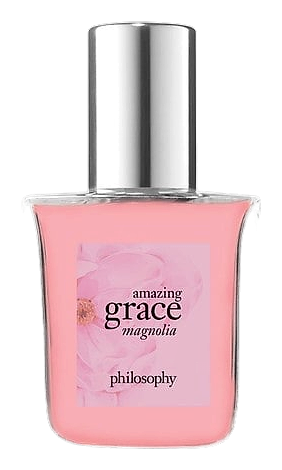
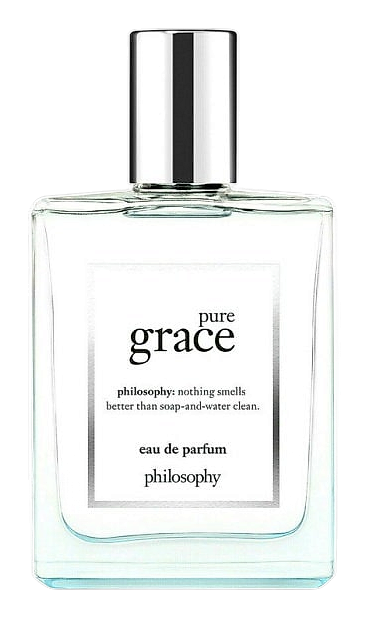
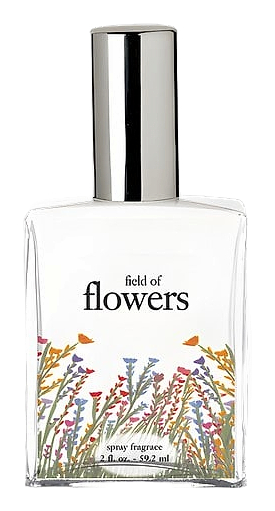
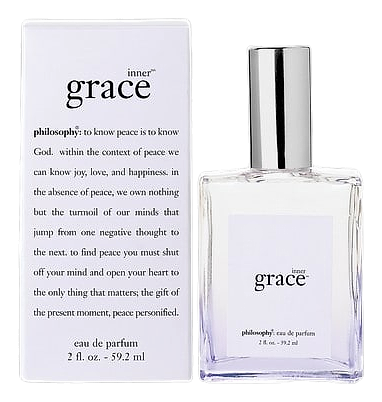
PhilosophyPhilosophy entered the fragrance world as an extension of its dermatological skincare expertise, bringing a clinical precision to scent creation that set it apart from traditional perfume houses. Founded by Cristina Carlino in 1996 as a Phoenix-based skincare brand, Philosophy leveraged its background in skin science to develop fragrances that prioritized skin compatibility alongside olfactory artistry. The brand gained recognition for its signature scent families, particularly the popular Pure Grace and Amazing Grace collections, which became cornerstone offerings in its fragrance portfolio. These lines showcased Philsophy's ability to translate simple, recognizable accords into elevated sensory experiences. Over time, the brand expanded its scent offerings to include seasonal limited editions and themed collections, often centered around evocative concepts like summer landscapes, winter imagery, and floral gardens. Philosophy occupies a distinctive position in the fragrance market by positioning itself at the intersection of beauty science and accessible luxury, appealing to consumers who value both efficacy and emotional resonance in their scent choices.
The Creator
Mathieu NardinA purist at heart, Nardin begins every composition with the ingredients themselves. He favors flowers, citrus, and natural woods, which he considers the inheritance of his Grasse upbringing.