The Story
Why it exists.
The beginning
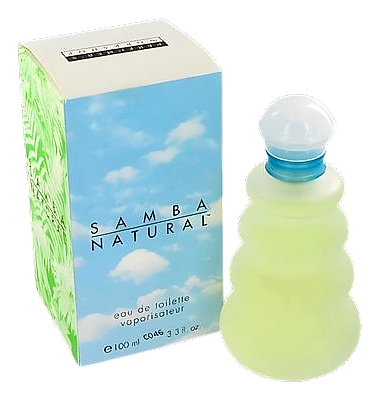
The name says Brazil, but Samba Natural wears like an American morning. Perfumer's Workshop launched this in 1996 as part of the broader Samba collection, a line that carried the spirit of dance and movement but pulled back on the heat. Natural here doesn't just describe the scent character. It describes the intent: a fragrance that breathes, that doesn't compete with the room it's in. The house had built its identity on personalization, on letting wearers author their own olfactory scripts. Samba Natural was one answer to a specific question: what happens when you take everything loud about a tropical name and make it quiet instead?
The structure is worth pausing on. Bergamot, freesia, and jasmine at the top form a classic citrus-floral opening, textbook fresh feminine. But the heart adds something unexpected: vetiver, which introduces an earthy, slightly smoky undercurrent that most florals of this era avoided. It's the kind of move that suggests the perfumer wanted to ground the lightness, keep it from floating away entirely. The base of musk, orris root, and rose then pulls everything into powdery territory, a finish that reads as clean without being sterile. The orris root is the quiet interesting choice here, lending a violet-adjacent softness that rounds out what could have been a straightforward composition.
The evolution
The bergamot arrives first, sharp, immediate, the smell of zest and morning. It holds for maybe fifteen minutes before the freesia takes over, softer now, sweeter without being cloying. The jasmine stays quiet underneath, a supportive presence rather than a statement. Then comes the handoff: the citrus fades, the vetiver emerges, and the whole thing shifts from bright to grounded. The rose doesn't announce itself. It shows up late, barely there, just enough warmth to keep the musk from reading as cold. That drydown, the musk and orris together, is where this fragrance lives longest. It's intimate, close to the skin, the kind of presence that someone standing next to you will notice before someone across the table. On fabric, it lingers past what the skin gives up. You might catch it again the next morning.
Cultural impact
Released in 1996, a year when the fragrance market was crowded with bold, sillage-heavy compositions. Samba Natural went the other direction, light, close-wearing, almost defiantly subtle. That restraint positioned it as an alternative to the blockbuster fragrances dominating that era, appealing to wearers who wanted presence without performance. The aquatic-fresh trend would peak shortly after, but this one arrived early enough to feel like a quiet argument against the loud.